
Beautiful Plants For Your Interior
Beautiful Plants For Your Interior
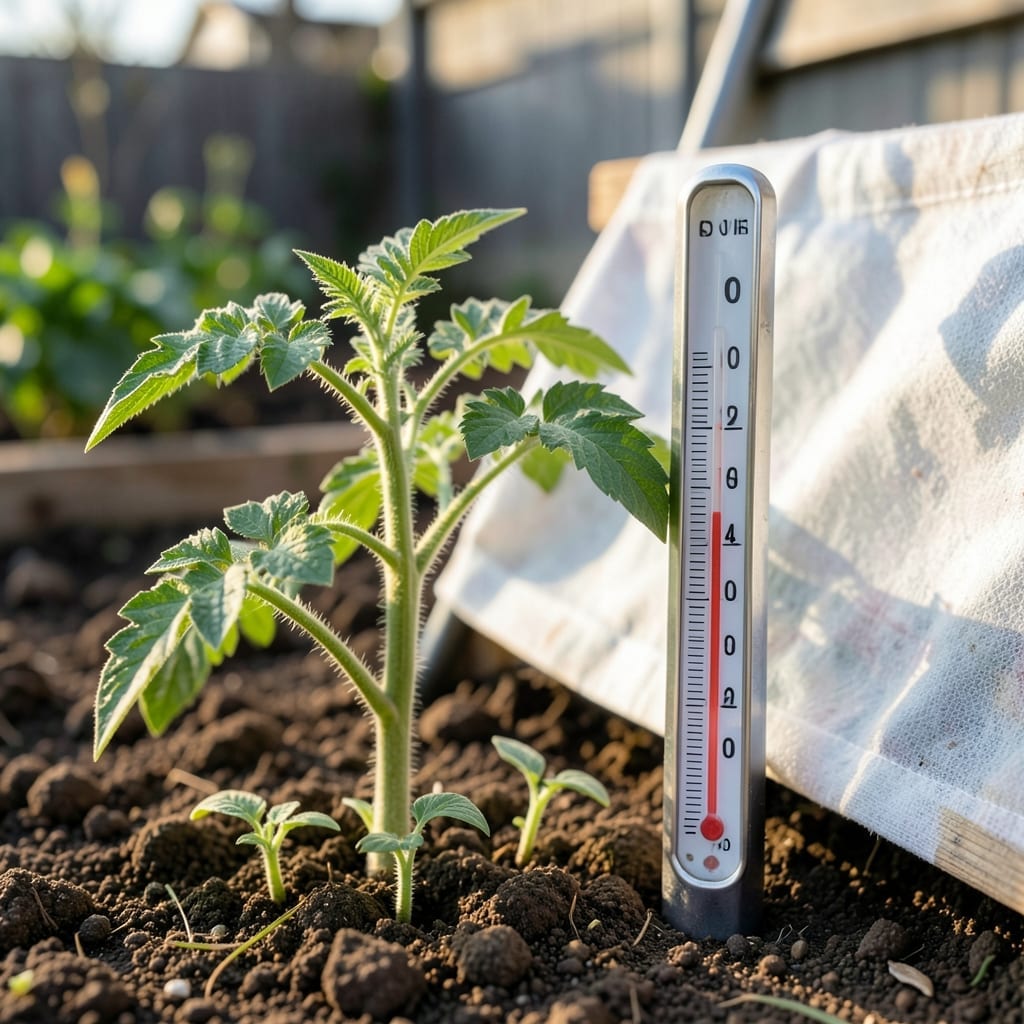
Tomato seedlings are delicate, and even a single cold snap can stunt their growth or kill them outright. Knowing their exact temperature limits is the key to protecting your young plants.
I’ve seen gardeners lose entire trays of 🍅 seedlings overnight because they misjudged the weather. These young plants can’t handle frost, and even chilly nights below 50°F can spell trouble.
Understanding these thresholds means the difference between thriving plants and a disappointing start to your growing season. It’s not just about survival—it’s about giving your tomatoes the strongest possible foundation.
Discover the safe temperature ranges and practical steps to shield your seedlings. Let’s ensure your garden gets off to a warm, healthy start.
Understanding the temperature limits for tomato seedlings is essential for their survival. These young plants are highly sensitive to cold, and even a slight drop can cause serious damage. I always check the forecast carefully before exposing my seedlings to outdoor conditions.
At the germination stage, soil temperature must stay above 60°F for optimal sprouting. Cooler soils slow down growth and can lead to weak plants. I use a soil thermometer to ensure the conditions are just right.
| Growth Stage | Minimum Safe Temperature | Risk Below Threshold |
|---|---|---|
| Germination | 60°F soil | Slow or failed sprouting |
| Sprouting | 50°F air | Stunted growth, weak stems |
| Established Seedlings | 32°F air | Frost damage, wilting |
| Transplanting | 55°F soil | Shock, poor root development |
Once sprouted, tomato seedlings need air temperatures above 50°F to thrive. Below this, they grow slowly and may develop purple stems or leaves—a sign of phosphorus deficiency caused by cold stress. I’ve learned to wait for consistent warmth before moving them outside.
For established seedlings, a brief dip to 32°F might not kill them, but frost will. Even a light frost can damage leaves and stems, setting back growth for weeks. I always cover my seedlings if nighttime temperatures approach freezing.
When it’s time to transplant seedlings into the garden, soil temperature should be at least 55°F. Cold soil can shock the roots, leading to poor establishment. I use black plastic mulch to warm the soil faster in spring.
If temperatures drop below these thresholds, recovery is possible if you act quickly. Move seedlings indoors or to a warmer spot immediately. For outdoor plants, use frost blankets or cloches to trap heat and protect them.
Monitoring weather forecasts is critical. I set up alerts on my phone for temperature drops. Even a few hours below the safe range can cause lasting damage, so prevention is always better than treatment.
Remember that variety matters—some tomato types tolerate cold better than others. Cherry tomatoes, for example, are often hardier than large beefsteak varieties. Always check the specific needs of your chosen cultivar.
With careful attention to these temperature guidelines, your tomato seedlings will grow strong and healthy, ready to produce a bountiful harvest.
When temperatures drop, your tomato seedlings need extra protection. Even a light frost can devastate them, so I always use row covers or cloches to trap heat and shield them from cold snaps.
For overnight protection, I recommend mulching heavily around the base and using wall-o-water devices. These simple methods can mean the difference between thriving plants and a lost crop.
I’ve found that row covers work best for larger plantings, while cloches are perfect for smaller gardens. Both create a protective barrier against cold winds and frost.
Mulching with straw or leaves adds an extra layer of insulation. It keeps the soil temperature stable, which is crucial for root health during cold spells.
For those unexpected cold snaps, wall-o-water devices are a game-changer. They surround each seedling with a water-filled barrier that absorbs heat during the day and releases it at night.
Finally, indoor hardening-off is essential. I gradually expose my seedlings to outdoor conditions over 7-10 days before transplanting, which helps them adapt to temperature fluctuations.
These methods have saved my tomato crops countless times. With a little preparation, you can protect your seedlings from cold damage and ensure a strong start to the growing season 🌱