
Beautiful Plants For Your Interior
Beautiful Plants For Your Interior
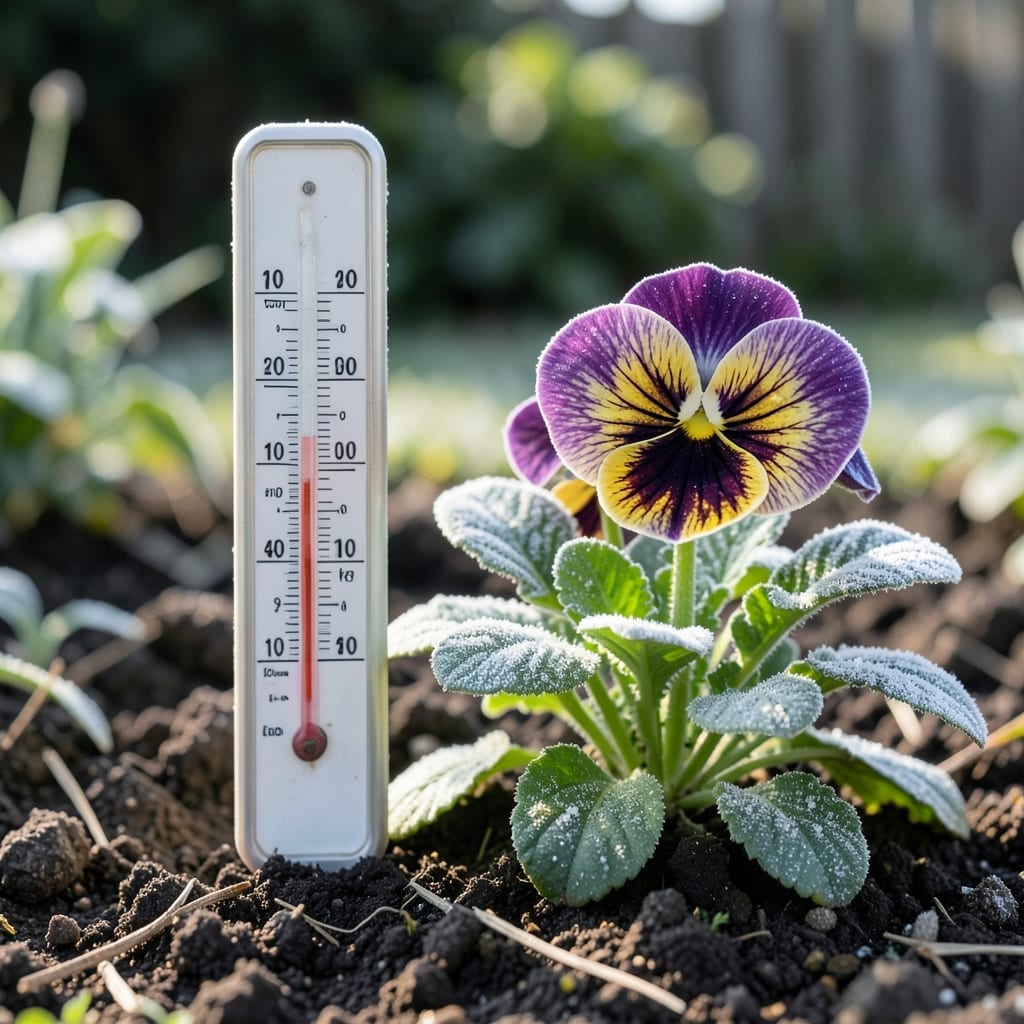
Ever watched your garden fade as winter approaches, except for those hardy 🌸 Pansies that keep blooming? These flowers are tougher than they look, but even they have limits when the mercury plummets.
I’ve seen Pansies shrug off light frosts and keep thriving in chilly conditions that would wilt other plants. But how far can you push them before they call it quits?
Discover the surprising cold thresholds these resilient flowers can handle and the simple tricks to help them survive even the harshest winter days.
If you’ve ever wondered how cold pansies can tolerate, you’re not alone. These cheerful flowers are famous for their ability to bounce back after light frosts and even snow.
Most pansy varieties can handle temperatures as low as 25°F (-4°C) without significant damage. Some hardier types, like the Ice Pansy series, survive dips down to 10°F (-12°C) with proper care.
| Variety | Minimum Temperature | Notes |
|---|---|---|
| Standard Pansy | 25°F (-4°C) | Light frost resistant |
| Ice Pansy | 10°F (-12°C) | Hardier, bred for cold |
| Viola x wittrockiana | 20°F (-7°C) | Classic garden pansy |
What makes pansies so cold-hardy? Their thick, waxy leaves act like a built-in blanket, protecting them from freezing winds and frost. This adaptation allows them to photosynthesize even in chilly weather.
However, prolonged freezing below their minimum threshold can damage the root system. If the soil freezes solid for days, even the toughest pansies may struggle to recover. That’s why mulching is crucial in extreme climates.
I’ve found that planting in containers gives you more control. You can move them to a sheltered spot or even indoors during severe cold snaps. Just ensure they still get enough light to thrive.
Another key factor is soil temperature. While air temps might drop, the soil often stays warmer. A thick layer of mulch can help maintain this warmth, giving your pansies a fighting chance against the cold.
Don’t forget about watering in winter. Pansies still need moisture, but overwatering in freezing temps can lead to root rot. Aim for consistent, moderate moisture to keep them happy.
If you’re in USDA zones 4-8, pansies can often survive as perennials, coming back year after year. In colder zones, treat them as annuals or bring them indoors when winter hits hard.
Watching pansies bloom in near-freezing conditions is one of the joys of winter gardening. With the right care, these resilient flowers can brighten your garden when most others have long since faded. 🌸
When the thermometer drops, your pansies don’t have to be sitting ducks. With a few simple strategies, you can help them weather the cold like champs.
I always start with mulching—a thick layer of straw or leaves acts like a cozy blanket for the roots. This keeps the soil temperature stable and prevents freezing.
For extreme cold snaps, I swear by frost blankets. Drape them over your pansies at dusk, and remove them in the morning. This traps heat from the soil and prevents frost damage.
Container gardening is another game-changer. Potted pansies can be moved to a garage or porch when temperatures plunge. Just
If you’re in a windy area, consider planting near a fence or building. These structures block cold gusts and create a microclimate that’s a few degrees warmer.
Finally, avoid late-day watering. Wet foliage at night can freeze, leading to cellular damage. Stick to morning watering so leaves dry before temperatures drop.
With these tricks, your pansies can thrive in cold and keep your garden colorful even when winter tries to take over. 🌸