
Beautiful Plants For Your Interior
Beautiful Plants For Your Interior
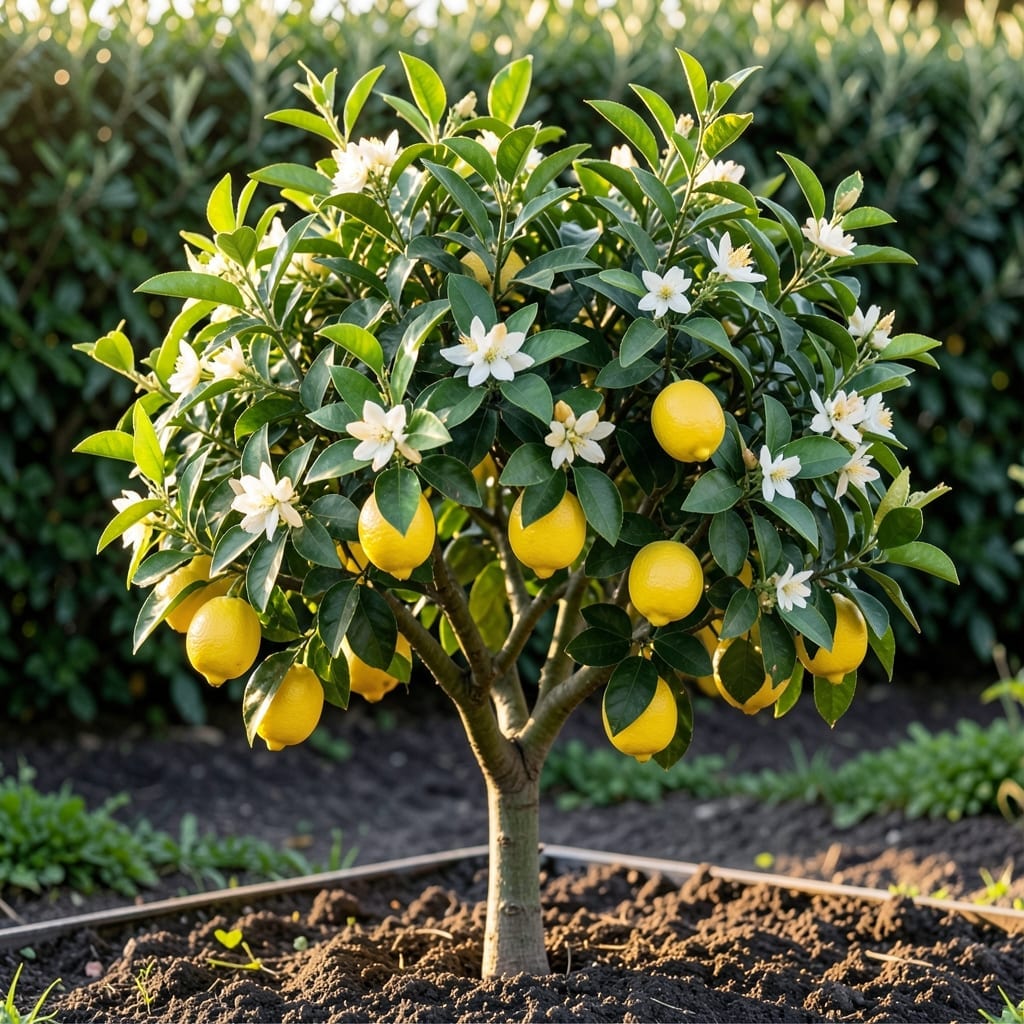
Lemon trees thrive in warm climates, but their cold tolerance can make or break your harvest. I’ve seen too many gardeners lose their 🍋 Lemon Tree to an unexpected frost.
Understanding the minimum temperatures your citrus can handle is the key to year-round success. In zones 9-11, they flourish, but colder areas require extra care.
Discover the exact thresholds and practical steps to protect your tree when winter threatens. Let’s keep your lemons growing strong.
If you’re growing lemon trees, knowing their cold limits is essential. Most varieties thrive in USDA zones 9-11, but their frost tolerance varies significantly.
Eureka lemons can handle brief dips to 25°F (-4°C), while Meyer lemons are more sensitive, struggling below 32°F (0°C).
| Variety | Minimum Tolerance | USDA Zone |
|---|---|---|
| Eureka | 25°F (-4°C) | 9-11 |
| Meyer | 32°F (0°C) | 9-10 |
| Lisbon | 28°F (-2°C) | 9-11 |
| Ponderosa | 26°F (-3°C) | 9-11 |
I’ve found Meyer lemons need the most protection in winter. They’re hybrid varieties bred for containers, making them less cold-hardy than standard types.
Lisbon lemons are slightly hardier, tolerating 28°F (-2°C) for short periods. Their thick foliage offers some natural insulation against light frosts.
For gardeners in marginal zones, Eureka and Ponderosa are your best bets. They can survive brief cold snaps down to the mid-20s°F (-3 to -4°C).
Remember, these temperature thresholds are for mature, established trees. Young trees need extra protection at higher temperatures—around 30°F (-1°C).
Even cold-hardy varieties can suffer frost damage if exposed too long. I always recommend monitoring weather and preparing covers when temps drop near these limits.
The root system is often more vulnerable than the foliage. Mulching heavily around the base helps insulate roots from freezing temperatures.
In containers, lemon trees can be moved indoors when forecasts predict dangerous cold. This is ideal for Meyer lemons in zone 8 or colder.
Proper site selection matters too. Planting near south-facing walls or in sheltered microclimates can provide extra warmth during cold spells.
When temperatures drop, your lemon trees need protection. Even cold-hardy varieties like Eureka can suffer below 25°F (-4°C). I always prepare before the first frost hits.
Frost cloth is my go-to for in-ground trees. It traps heat from the soil, creating a protective barrier against freezing winds and ice.
For potted lemon trees, moving them to a garage or sunroom works wonders. I’ve saved many Meyer lemons this way during unexpected cold snaps.
Mulching is crucial for root protection. Use organic material like straw or wood chips. This insulates the soil and prevents root freeze.
Microclimates can be your ally. Plant near south-facing walls or fences that absorb and radiate heat. Even a few degrees can make a difference.
In extreme cold, Christmas lights can provide extra warmth. Wrap them around the trunk under the frost cloth for added protection.
Always water deeply before a frost. Moist soil retains heat better than dry soil, giving your lemon tree a fighting chance against the cold. 🌳