
Beautiful Plants For Your Interior
Beautiful Plants For Your Interior
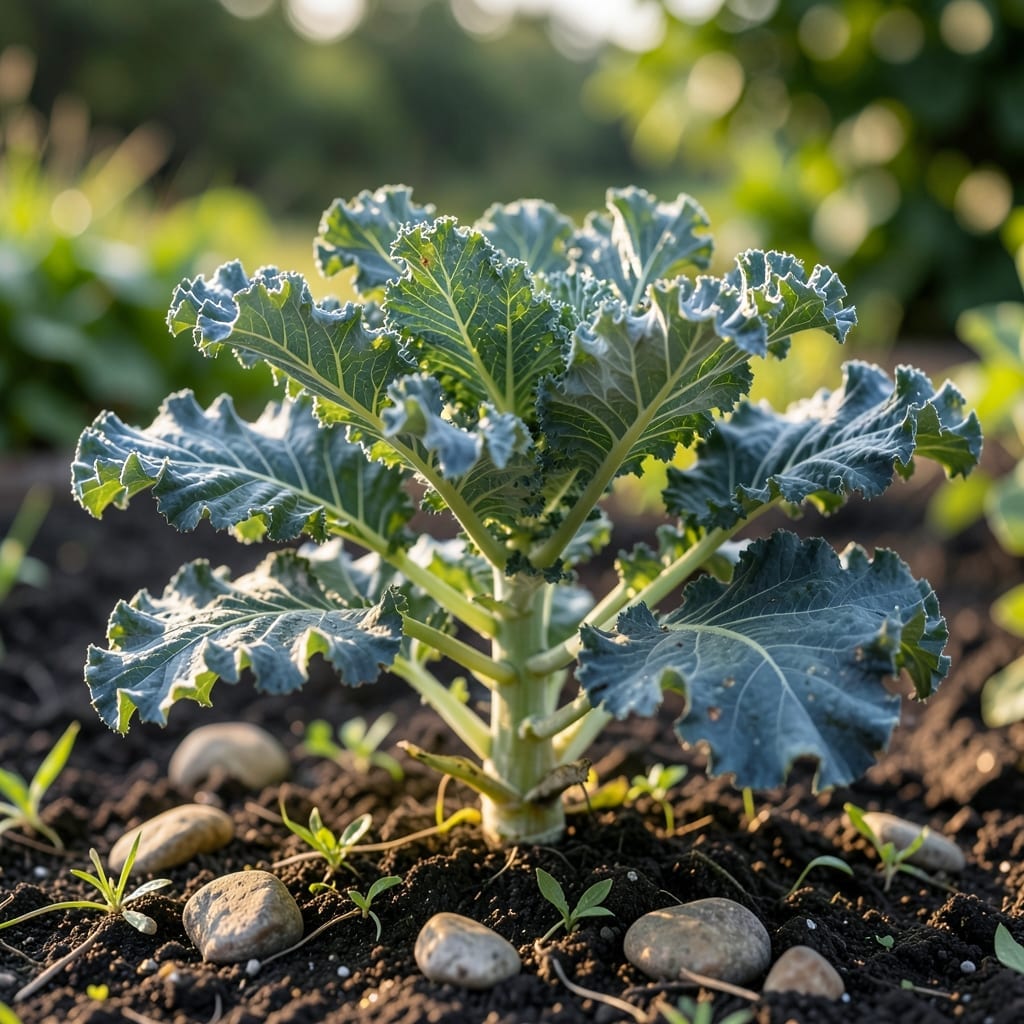
Kale isn’t just a cold-hardy green—it’s a winter warrior that thrives when other plants wilt. I’ve watched my 🥬 kale patches flourish through 20°F nights while everything else in the garden surrendered.
Understanding its temperature limits can help you extend your harvest well into the frosty months. Most gardeners don’t realize how much this leafy powerhouse can actually handle.
I’ll break down exactly what temperatures kale can survive, and more importantly, how to help it thrive in the cold. The results might just surprise you.
Discover the secrets to turning your kale into a year-round superstar, even when winter tries to steal the show.
I’ve seen kale laugh in the face of frost when other greens have long given up. This cold-hardy superhero can handle temperatures as low as 10°F (-12°C) without serious damage, making it a staple for winter gardens in many regions.
What’s even more fascinating is that light frosts actually enhance its flavor, turning bitter leaves into sweeter, more tender treats. This is thanks to the plant’s natural antifreeze proteins that protect its cells from freezing temperatures.
| Variety | Cold Tolerance | Notes |
|---|---|---|
| Lacinato | 10°F (-12°C) | Dark, bumpy leaves; great for freezing |
| Curly | 15°F (-9°C) | Classic variety; sweeter after frost |
| Red Russian | 20°F (-7°C) | Tender leaves; early producer |
| Winterbor | 5°F (-15°C) | Most cold-hardy; blue-green leaves |
Not all kale varieties are created equal when it comes to cold tolerance. While most can survive down to 20°F (-7°C), some winter-specific varieties like Winterbor push the limits to 5°F (-15°C) or even lower.
I always recommend checking your USDA hardiness zone to determine which varieties will thrive in your area. Gardeners in Zone 7 and above can often grow kale year-round with minimal protection.
The plant’s ability to survive cold stems from its physiological adaptations. Kale produces sugars and proteins that act like natural antifreeze, protecting its cells from freezing and rupture. This is why kale often tastes sweeter after a frost.
For those in colder climates, starting kale in late summer allows it to establish a strong root system before winter hits. I’ve found that transplanted kale handles cold better than direct-seeded plants in the fall.
Remember that while kale can survive these cold temperatures, its growth slows significantly below 40°F (4°C). It won’t produce new leaves rapidly, but it will maintain its existing foliage for harvest throughout winter.
One of my favorite things about growing kale is watching how it transforms with the seasons. The same plant that struggled in the heat of summer becomes a vibrant, productive centerpiece of my winter garden, often lasting until spring when new growth begins. 🌱
If you’re pushing the limits of kale’s cold tolerance, consider using season extenders like cold frames or hoop houses. These can provide just enough warmth to keep your kale thriving during unexpected cold snaps. 🌿
When temperatures dip below kale’s tolerance of 10°F (-12°C), even this hardy green needs a helping hand. I’ve learned that row covers and frost blankets can make all the difference during unexpected cold snaps.
A thick layer of organic mulch, like straw or leaves, acts as insulation for the soil and roots. This protects the plant’s base from freezing temperatures while allowing it to keep drawing nutrients.
I always water my kale in the morning during cold spells. This prevents ice from forming on the leaves overnight, which can weigh them down and cause breakage. The goal is to keep the soil moist but not soggy.
For gardeners in Zone 6 or colder, a cold frame or hoop house can extend the growing season significantly. These structures trap heat during the day and provide just enough warmth to keep kale thriving.
Monitor your plants for signs of cold stress, such as yellowing leaves or wilting. If you notice these, it’s time to add more protection. Kale can often recover if the damage isn’t severe.
In my experience, Winterbor kale is the most resilient in extreme cold, but even it benefits from extra care. With the right strategies, you can keep harvesting fresh, sweet kale all winter long. 🌱