
Beautiful Plants For Your Interior
Beautiful Plants For Your Interior
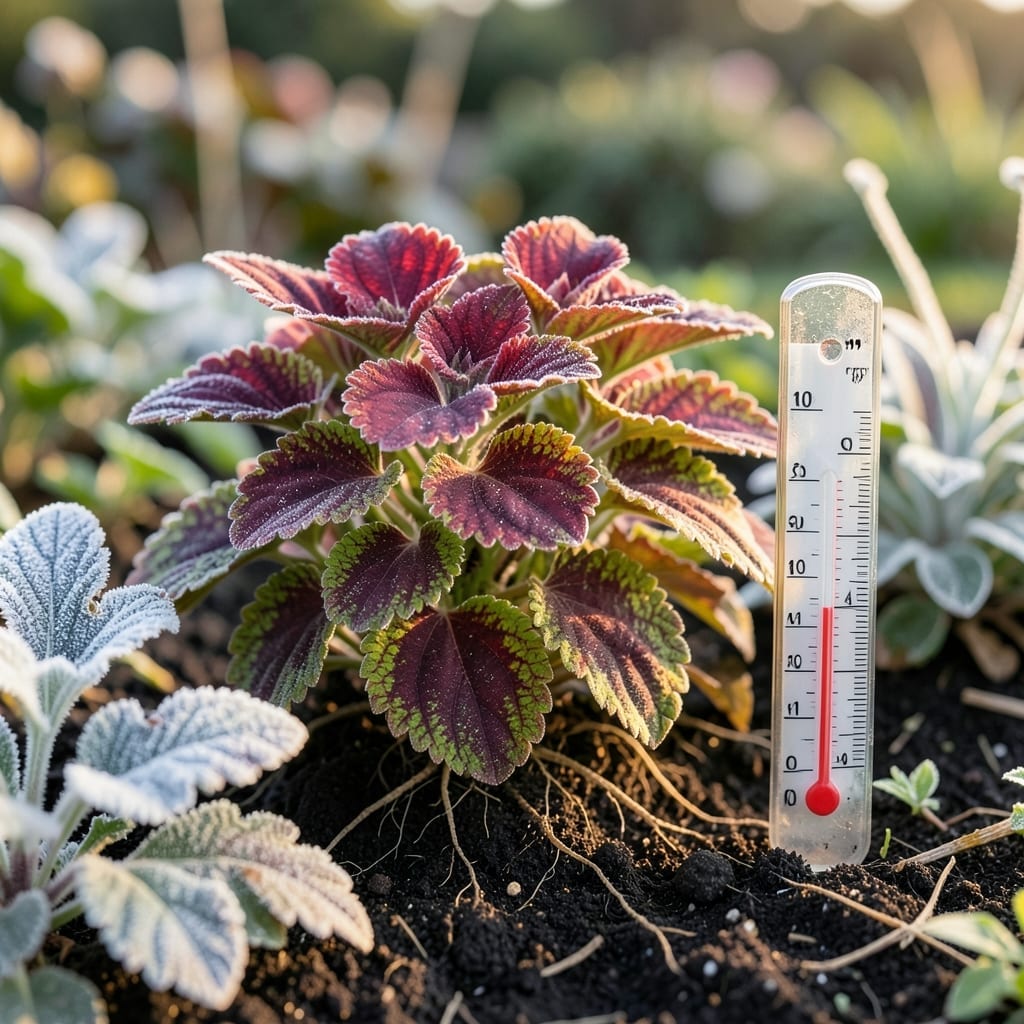
That first autumn chill can spell trouble for your garden favorites. With Coleus 🌿, tropical roots mean these vibrant plants need warmth to thrive.
I’ve watched too many gardeners lose their prized foliage to an unexpected cold snap. Understanding temperature limits is the key to preventing this heartbreak.
These beauties flourish in zones 10-11, but their cold tolerance has strict boundaries. Even temperatures in the 40s°F can cause damage.
Discover how to spot early warning signs and protect your Coleus before it’s too late. Your garden’s color depends on it.
As a gardener, I’ve learned that coleus plants thrive in warmth and struggle in the cold. These tropical beauties can’t handle frost, and their ideal temperature range is between 60°F and 85°F for vibrant growth.
When temperatures drop below 50°F, coleus starts showing stress. Anything at or below 32°F is a death sentence, as frost will kill the plant quickly. They’re best suited for USDA zones 10-11 as perennials. 🌿
| Requirement | Specification |
|---|---|
| Minimum Survival Temp | 50°F (10°C) |
| Frost Tolerance | None |
| Ideal Growth Range | 60°F–85°F (15°C–29°C) |
| USDA Zones | 10-11 (perennial) |
| Cold Stress Signs | Wilting, blackened leaves |
I always monitor the weather closely when growing coleus. Even a light frost can damage the foliage irreparably. If you’re in a cooler climate, treat coleus as an annual plant or bring it indoors before fall.
For gardeners in zones 9 and below, coleus will only survive as a seasonal plant. The moment temperatures dip near 50°F, it’s time to start thinking about overwintering strategies.
In my experience, potted coleus is easier to protect. I move my containers indoors to a sunny window when nights get chilly. This simple step can extend their growing season by months.
Outdoor coleus benefits from mulching to insulate the soil. A 2-3 inch layer of organic mulch helps retain warmth and moisture, giving your plants a fighting chance against unexpected cold snaps.
Watch for early warning signs like leaf curling or discoloration. These indicate your coleus is stressed by cold and needs immediate protection. Don’t wait for frost—act at the first sign of trouble.
If you’re growing coleus for its stunning foliage, remember that cold temperatures dull those vibrant colors. Keeping them in their preferred temperature range ensures the most dramatic, colorful displays in your garden. 🌱
For best results, plant coleus after the last frost date in spring. This timing gives them the warm start they need to establish strong roots before any potential cold weather returns in fall.
I love how coleus plants bring vibrant color to gardens, but their tropical nature means they struggle in cold weather. Even a light frost can spell disaster for these tender beauties. That’s why I always recommend proactive protection.
In my experience, temperatures below 50°F start stressing coleus, and anything near 32°F can be fatal. If you’re in USDA zones 9 or cooler, plan ahead for chilly nights.
I always mulch my coleus with a thick layer of straw or leaves to retain soil warmth. This simple step can buy you a few extra degrees of protection during unexpected cold snaps.
For potted coleus, I move them to a sheltered porch or indoors near a sunny window. Even a garage with a little light can work in a pinch. Just avoid drafty areas.
Frost cloth is my go-to for in-ground plants. It’s lightweight and allows light and air to pass through while trapping heat. Secure it with stakes or bricks to keep it from blowing away.
If you notice drooping leaves or blackened edges, your coleus may already be stressed. Act fast—move it to warmth and trim damaged foliage to encourage new growth.
🌿