
Beautiful Plants For Your Interior
Beautiful Plants For Your Interior
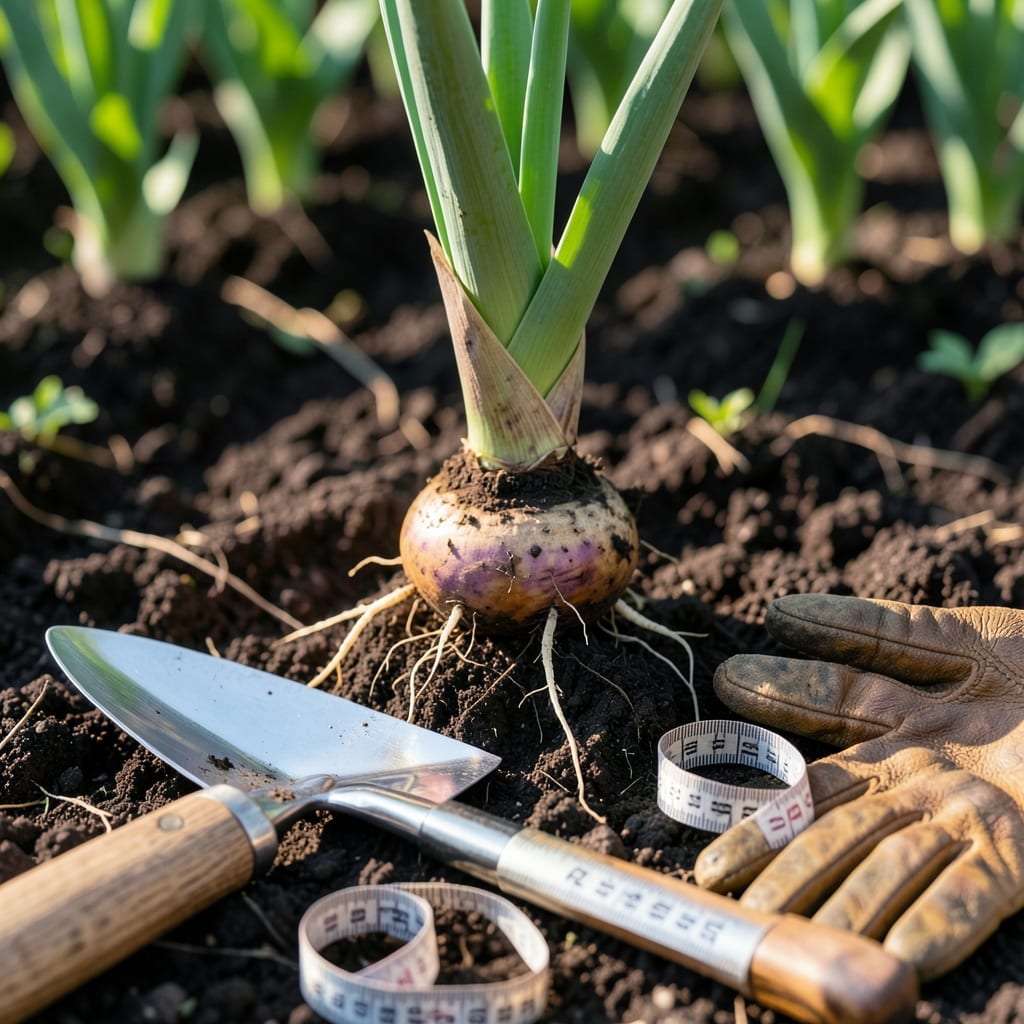
There’s nothing quite like a garden bursting with colorful 🌷 tulips in spring. But did you know that how you space those bulbs in fall makes all the difference?
Plant them too close together, and your blooms will fight for nutrients. Space them too far apart, and your flower beds lose that vibrant impact we all love.
I’ve learned through trial and error that getting this right transforms a good display into a showstopper. The good news? It’s easier than you might think.
Let me walk you through the simple rules for spacing tulip bulbs that will give you the most spectacular spring show possible.
Proper tulip bulb spacing ensures each plant gets enough nutrients and root room to thrive. Crowded bulbs lead to weak stems and smaller blooms, while spaced bulbs create a full, vibrant display.
I recommend 6-8 inches apart for most tulip varieties. This distance balances aesthetic density with healthy growth, allowing foliage to spread without competition.
| Variety | Spacing | Planting Depth |
|---|---|---|
| Standard Tulips | 6-8 inches | 6-8 inches deep |
| Dwarf Tulips | 4-6 inches | 4-6 inches deep |
| Parrot Tulips | 8-10 inches | 8 inches deep |
For naturalized looks, I scatter bulbs randomly but keep the 6-inch minimum. This mimics wild growth while preventing overcrowding. It’s perfect for meadow-style plantings.
In containers, reduce spacing to 4-5 inches since roots can’t spread outward. Just ensure the pot is deep enough—at least 12 inches—and has drainage holes.
Companion planting works well with tulips. Pair them with daffodils or alliums at similar depths but slightly offset. This extends bloom season and adds visual interest.
If you’re planting in rows, keep rows 12-18 inches apart for easy maintenance. This also improves air circulation, reducing fungal disease risk.
Remember, bulb size matters. Larger bulbs need more space, so adjust accordingly. A 12 cm bulb can handle 8-inch spacing, while smaller 10 cm bulbs do fine at 6 inches.
After planting, mark the spots with biodegradable flags or mulch. This prevents accidental digging and helps you track varieties for future reference.
Finally, water deeply after planting to settle the soil. This removes air pockets and ensures good soil-to-bulb contact. Your tulips will thank you with vibrant, long-lasting blooms.
🌷I’ve seen many gardeners struggle with tulip bulb spacing, and the most common issue is planting too close. Crowded bulbs compete for nutrients and water, leading to weak stems and smaller blooms. 🌷
Another frequent mistake is ignoring bulb size. Larger bulbs need more space, typically 8 inches apart, while smaller varieties can be 4-6 inches apart. Always check the specific variety for best results.
⚠️ Warning: Overcrowding tulips causes stunted growth and disease spread. Always space bulbs based on their mature size, not their current size.
Planting bulbs too shallow is another error. They should be 6-8 inches deep to protect them from freezing temperatures and ensure strong root development. Shallow planting often results in frost damage or weak growth.
Don’t forget about soil preparation. Tulips thrive in well-draining soil, so amend heavy clay with compost or sand before planting. Poor drainage can lead to bulb rot and ruined blooms. ✂️
Lastly, avoid planting in straight lines if you want a natural look. While neat rows work for formal gardens, staggered or clustered arrangements create a more dynamic display. Just keep spacing consistent to prevent competition.
By avoiding these mistakes, you’ll set your tulips up for healthy growth and vibrant blooms that will be the highlight of your spring garden. 🌿