
Beautiful Plants For Your Interior
Beautiful Plants For Your Interior
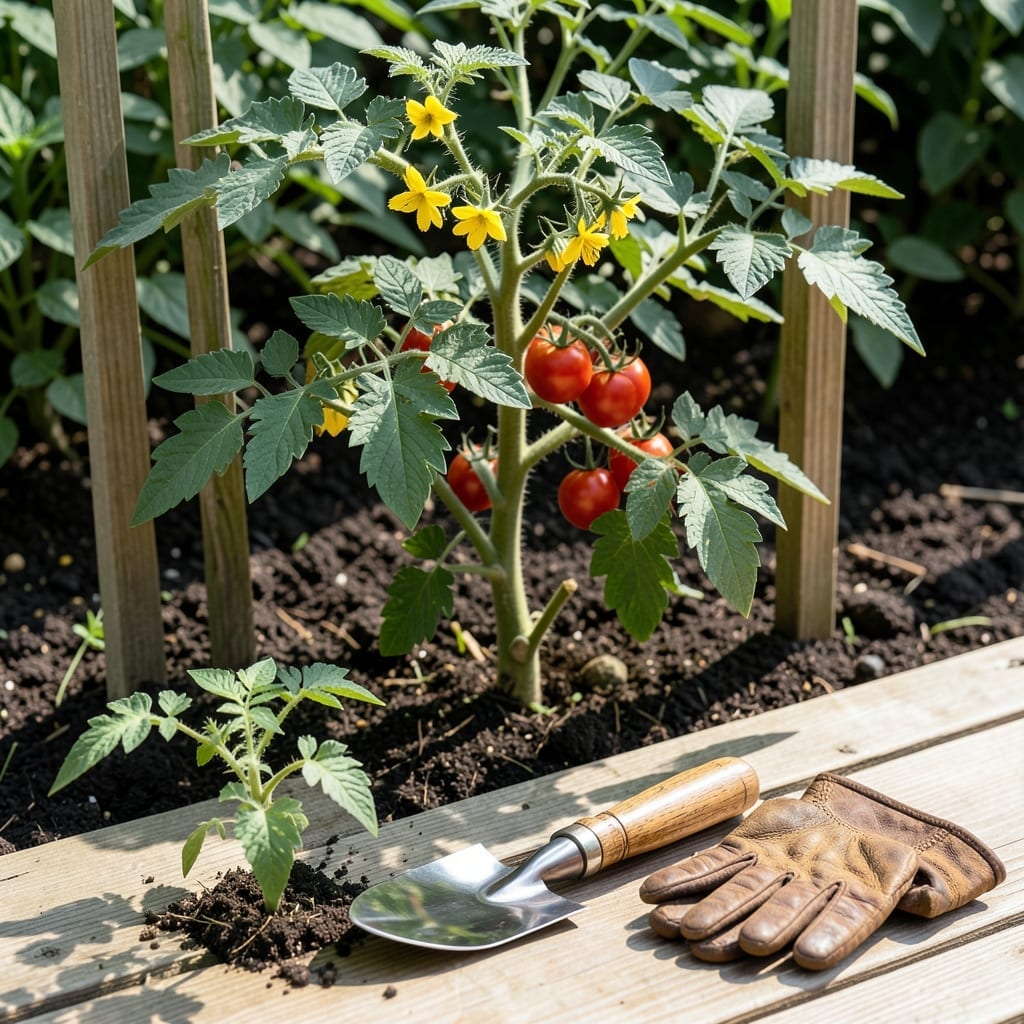
Proper tomato plant spacing is the secret to a bountiful harvest—crowd them too closely, and you risk disease, poor air circulation, and stunted growth.
With the 🍅 Tomato, getting it right means healthier plants and bigger yields all season long. Whether you’re planting in rows or containers, the right distance makes all the difference.
Discover how to give your plants the room they need to thrive, from determinate to indeterminate varieties. Let’s set your garden up for success.

I’ve found that proper spacing starts with knowing your tomato variety. Determinate tomatoes, or bush types, stay compact and typically need 2-3 feet between plants. They’re perfect for containers or small gardens.
Indeterminate tomatoes are the vining types that keep growing all season. These need more room—3-4 feet apart—to accommodate their sprawling nature. Row spacing should be 4-5 feet to ensure good airflow.
| Variety | Plant Spacing | Row Spacing |
|---|---|---|
| Determinate (Bush) | 2-3 feet | 3-4 feet |
| Indeterminate (Vining) | 3-4 feet | 4-5 feet |
| Dwarf Varieties | 1-2 feet | 2-3 feet |
For container gardening, I recommend at least a 5-gallon pot per plant for determinate types. Indeterminate varieties need even larger containers, like 10-15 gallons, to support their growth.
Companion planting also affects spacing. I like pairing tomatoes with basil or marigolds, which can help deter pests. Just ensure these companions don’t crowd your tomato plants.
If you’re planting in raised beds, you can reduce spacing slightly because the soil is usually looser and more fertile. Still, I’d keep determinate tomatoes at least 2 feet apart and indeterminate at 3 feet.
Sunlight access is another factor. Tomatoes need 6-8 hours of direct sun daily. If plants are too close, they’ll shade each other, reducing productivity. I always orient rows north-south for even sun exposure.
For staked or trellised tomatoes, you can plant a bit closer—18-24 inches apart—since the plants grow upward. But don’t skimp on row spacing; 3-4 feet is still ideal for airflow.
I’ve seen gardeners make the mistake of overcrowding to fit more plants. This leads to disease spread, poor yields, and stressed plants. Give them room to breathe, and you’ll be rewarded with healthier, more productive tomatoes. 🌱
Soil quality can influence spacing too. In rich, well-draining soil, plants can be slightly closer. In poorer soil, they’ll need more space to compete for nutrients. I always amend my soil with compost before planting.
Lastly, consider your garden layout. If space is tight, try vertical gardening with cages or trellises. This maximizes space while keeping plants healthy and productive. ✂️
I’ve learned that good spacing isn’t just about fitting plants—it’s about keeping them healthy. When tomatoes are too close, airflow is restricted, creating a perfect environment for fungal diseases like early blight.
Proper spacing allows sunlight to reach all parts of the plant, which is crucial for photosynthesis and fruit development. It also reduces nutrient competition in the soil, so each plant gets what it needs. 🌱
Overcrowding is one of the most common mistakes I see. When plants are packed in, moisture lingers on leaves, inviting disease spores to take hold. Powdery mildew and early blight thrive in these conditions.
Another issue with tight spacing is stunted root growth. Tomatoes need room to spread their roots and access water and nutrients. Without it, plants become weak and unproductive, struggling to support fruit development.
I’ve also noticed that properly spaced plants are easier to care for. You can prune, stake, and harvest without damaging neighboring plants. This makes garden maintenance much more efficient. ✂️
Finally, good spacing leads to bigger, healthier yields. Each plant has the space it needs to grow strong stems and produce abundant fruit. It’s a simple step that makes a huge difference in your garden’s success.