
Beautiful Plants For Your Interior
Beautiful Plants For Your Interior
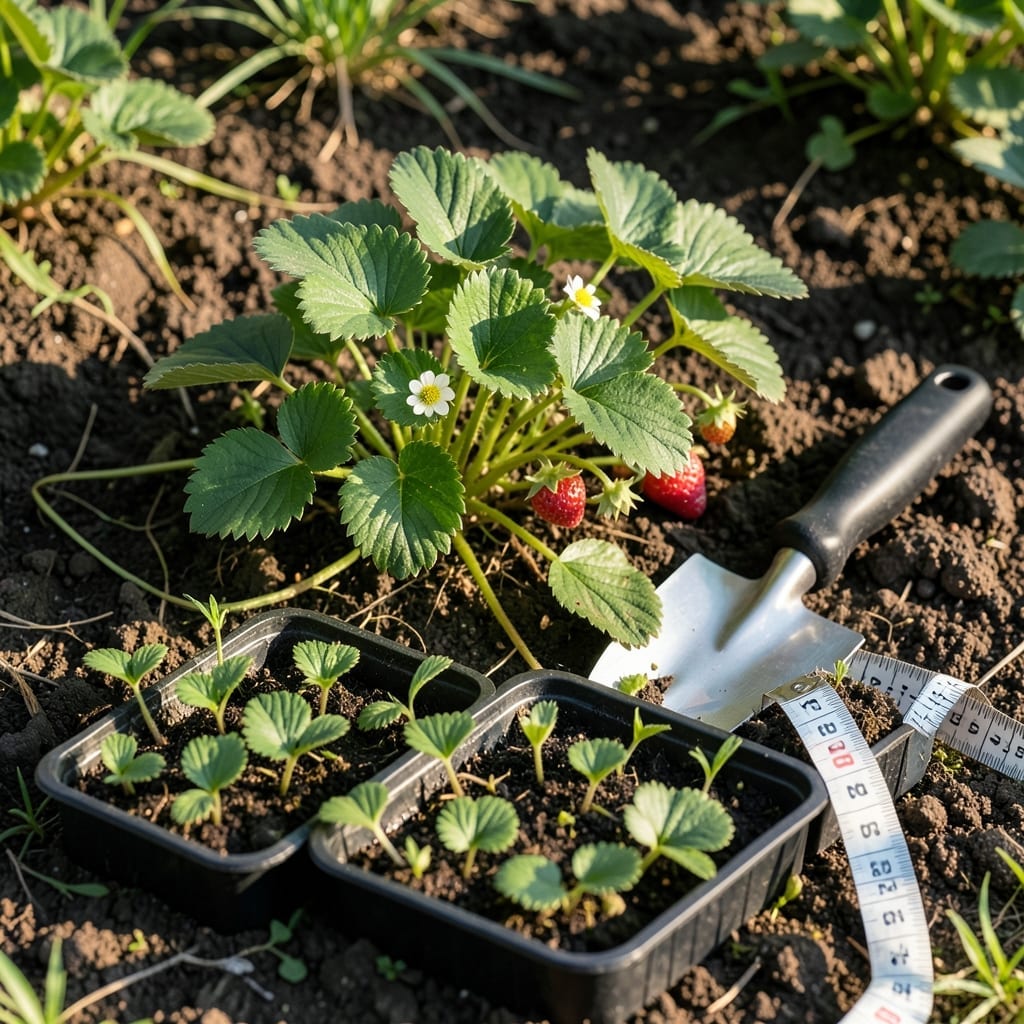
Proper spacing is the game-changer for bountiful strawberry harvests. Plant them too close, and you risk disease and stunted growth. Too far apart, and you waste precious garden space.
I’ve learned the hard way that getting this right means the difference between a handful of berries and a basketful. The 🍓 Strawberry is forgiving in many ways, but spacing isn’t one of them.
Whether you’re working with a small balcony garden or a sprawling backyard, understanding the ideal distance between plants is crucial. It affects air circulation, sunlight exposure, and even the flavor of your fruit.
Let me walk you through the most effective spacing strategies for different strawberry varieties. You’ll be surprised how much of a difference a few inches can make.
Getting the spacing right is crucial for healthy strawberry plants and a bountiful harvest. The ideal distance depends on the variety and your planting system. I’ll break it down so you can plan your bed perfectly.
For June-bearing strawberries, which produce one large harvest, I recommend 18-24 inches between plants in rows that are 3-4 feet apart. This gives them room to spread their runners.
| Strawberry Type | In-Row Spacing | Row Spacing | Planting System |
|---|---|---|---|
| June-bearing | 18-24 inches | 3-4 feet | Matted row |
| Everbearing | 12-18 inches | 2-3 feet | Hill system |
| Day-neutral | 10-12 inches | 2 feet | Hill system |
Everbearing strawberries, which produce multiple smaller harvests, do well with 12-18 inches between plants and 2-3 feet between rows. The hill system works best here to keep them compact.
If you’re growing day-neutral strawberries, which fruit continuously, 10-12 inches apart in rows 2 feet apart is ideal. They’re less vigorous, so closer spacing maximizes yield without overcrowding.
The matted row system is perfect for June-bearing types. I let the runners spread to fill the space, which can reduce initial spacing needs. Just be sure to thin them out to avoid overcrowding.
For the hill system, I plant in raised mounds with just a few plants per hill. This improves drainage and air circulation, which is great for everbearing and day-neutral varieties.
If you’re tight on space, container planting is a great option. I use 8-10 inch pots for each plant, ensuring they have enough room for roots to grow. Just remember, containers dry out faster, so keep an eye on moisture.
In raised beds, I reduce spacing slightly because the soil is usually looser and more fertile. For June-bearing, I go with 16-18 inches apart, and for everbearing, 10-12 inches works well.
No matter the system, good air circulation is key to preventing fungal diseases. I always leave enough space for airflow and make sure my plants get full sun for at least 6-8 hours a day.
Lastly, mulch between rows to retain moisture and suppress weeds. I use straw or pine needles, which also help keep the berries clean as they ripen. 🌱
When I first planted strawberries, I made the common mistake of crowding them together to save space. This led to poor air circulation and increased disease risk among my plants. Fungal infections thrive in dense, damp conditions.
Another issue is nutrient competition. Too many plants in one spot means stunted growth and smaller berries. I learned that 12-18 inches apart is ideal for most strawberry varieties.
⚠️ Warning: Overcrowding Risks
Planting strawberries too close leads to disease spread, poor yields, and weak plants. Always follow spacing guidelines for healthy growth.
I noticed weeds also flourish in overcrowded beds, stealing resources from my strawberries. Proper spacing helps suppress weeds by allowing better sunlight exposure to the soil between plants.
If you’ve already planted too closely, thin out weak plants to give the strongest ones room to thrive. I did this mid-season and saw immediate improvement in my harvest.
Remember that different strawberry types have varying needs. June-bearing varieties need more space than everbearing types, which can handle slightly tighter spacing.
Lastly, consider your planting system. Matted row systems can handle closer spacing than hill systems, but both require careful planning to avoid overcrowding. 🌱