
Beautiful Plants For Your Interior
Beautiful Plants For Your Interior
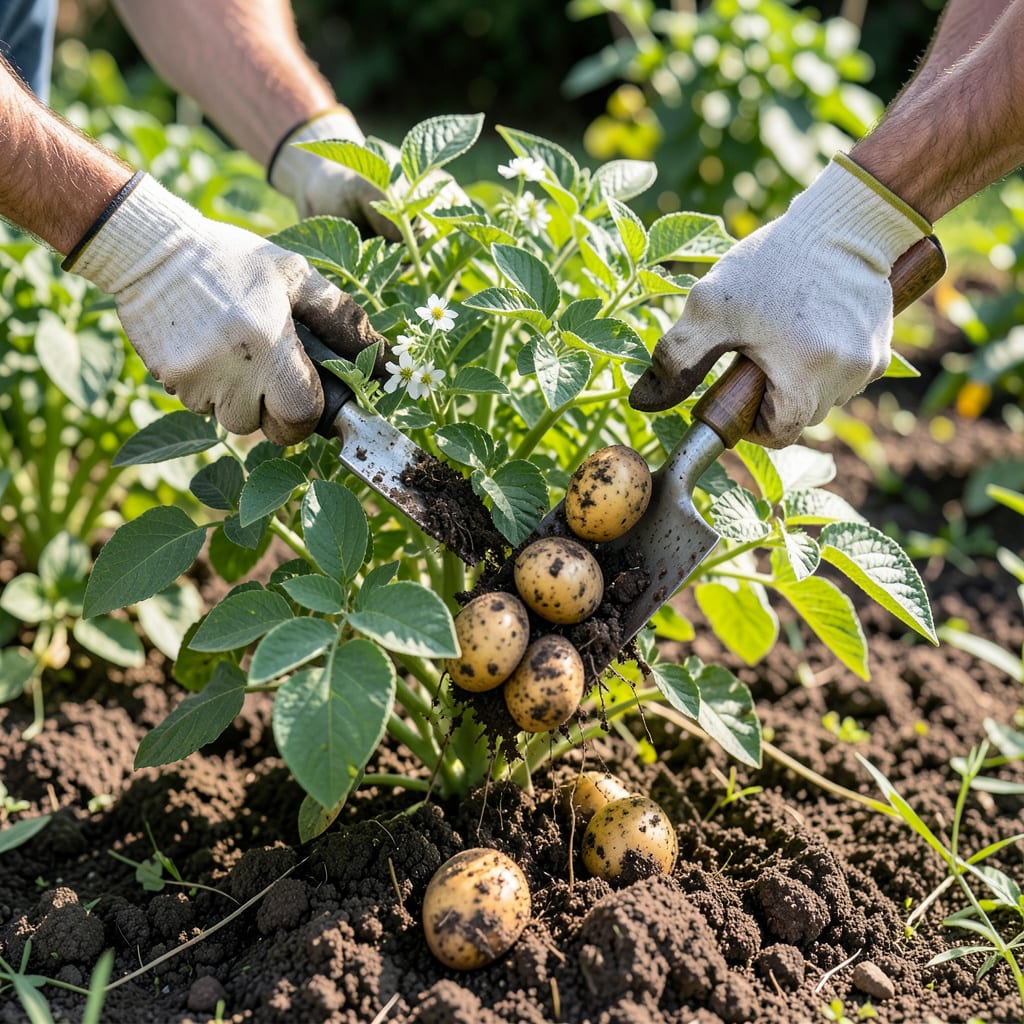
Timing your 🥔 Potato harvest perfectly makes all the difference between a mediocre yield and a fantastic one. Those tubers hiding underground are giving you clear signals when they’re ready.
I’ll show you the foolproof visual and physical signs to look for, plus simple tests to confirm maturity without digging up the whole plant. Let’s make sure you pick at the peak moment.


Recognizing when your potatoes are ready starts with observing the plant’s above-ground behavior. The most obvious sign is when the foliage turns yellow and begins to die back. This indicates the plant is redirecting its energy to the tubers.
Another key indicator is the flowering stage. For most varieties, potatoes are ready about 2-3 weeks after the plant has finished blooming. The flowers signal that tuber formation is complete. 🌱
| Sign | Description | Variety Type |
|---|---|---|
| Yellowing foliage | Leaves turn yellow and wilt | All varieties |
| Flowers faded | Blooms have dried up | Early, Mid-season |
| Firm skin | Skin resists scratching | Late varieties |
| Size 2-5 inches | Tubers reach mature size | All varieties |
The skin test is another reliable method. Gently rub a potato’s surface with your finger. If the skin doesn’t scratch off easily, it’s ready. This works best for mature potatoes meant for storage.
For new potatoes, you can harvest as soon as the plant flowers. These will be smaller and more tender, perfect for immediate use. Just reach into the soil and carefully pull out what you need.
The plant’s overall health matters too. If the stems are still green and vigorous, your potatoes likely need more time. But if the entire plant looks spent, it’s time to dig.
Remember that early varieties mature in about 60-90 days, while late varieties can take up to 120 days. Check your seed packet for specific timing. The soil temperature should be above 45°F at planting and harvest.
Weather conditions affect harvest time as well. A dry spell might cause premature yellowing, while too much rain can delay maturity. Always combine visual signs with the days-to-maturity guideline for your variety.
For the most accurate check, I recommend digging a test hill. Carefully uncover a few potatoes from one plant to examine their size and skin condition. If they meet your expectations, it’s time to harvest the rest.
Proper timing ensures better flavor and longer storage life. Potatoes harvested too early may be small and prone to damage, while those left too long might rot in the ground or become susceptible to pests. 🌿
Checking your potatoes’ readiness doesn’t have to mean uprooting the whole plant. I use gentle soil probing as my first method. Carefully push your hand into the soil near the plant’s base to feel for tubers.
Another reliable technique is the finger test. When you find a potato, lightly rub its surface. If the skin stays intact and doesn’t scratch off easily, it’s ready for harvest. This works best for mature potatoes intended for storage. 🌱
The wilting observation method is particularly useful. When the plant’s foliage starts to yellow and wilt naturally, it’s a clear sign the tubers are maturing. This is different from wilting caused by water stress, which you can identify by checking soil moisture.
I always recommend checking the plant’s age against its expected maturity date. Most seed packets provide a days-to-maturity range. For example, early varieties typically take 60-90 days, while late varieties may need up to 120 days. 🌿
Weather plays a crucial role in potato development. A dry spell might cause premature yellowing, while excessive rain can delay maturity. Always consider recent weather patterns when assessing your plants.
For the most accurate assessment, I combine multiple methods. I’ll first check the foliage condition, then do a gentle probe to feel for tubers, and finally perform the skin test on any potatoes I find. This multi-step approach gives me confidence in my harvest timing.
Remember that new potatoes can be harvested earlier, as soon as the plant flowers. These will be smaller and more tender. For these, I simply reach into the soil and carefully remove what I need, leaving the rest to continue growing. ✂️
Harvesting potatoes at the wrong time can ruin months of careful growing. One of the most common mistakes I see is digging too early. When the foliage is still green, the tubers haven’t reached their full size or developed thick skins.
Another frequent error is waiting too long after the plants have died back. While it’s good to let the skin set, leaving potatoes in the ground for weeks can expose them to rot or pests. The sweet spot is usually 2-3 weeks after foliage dies.
• Harvesting in wet soil leads to clumpy dirt and potential rot
• Using sharp tools can damage tubers—use hands or a fork
• Ignoring weather forecasts may expose potatoes to frost damage
• Skipping curing time reduces storage life significantly
I’ve learned that handling matters just as much as timing. Rough handling can cause bruising or cuts, which invite disease. Always use a garden fork and work carefully around the plant’s root zone to avoid piercing tubers.
Weather conditions play a crucial role too. Never harvest when the soil is waterlogged, as this makes digging difficult and increases rot risk. Aim for a dry, sunny day so potatoes can dry quickly after harvesting. 🌱
For storage potatoes, curing is essential. After digging, let them sit in a dark, well-ventilated area for 1-2 weeks. This helps the skin toughen up, extending their shelf life significantly.
Harvesting too early results in small tubers with thin, easily damaged skin. These won’t store well and may lack full flavor.
Only for 1-2 weeks to let skins toughen. Beyond that, they risk rot, pests, or frost damage. Dig on a dry day.
Gently probe soil near the base with your hand. Feel for tubers and test skin firmness with your fingertip.
Most do, but early varieties mature faster (60-90 days). Always check your seed packet for specific timing.
