
Beautiful Plants For Your Interior
Beautiful Plants For Your Interior
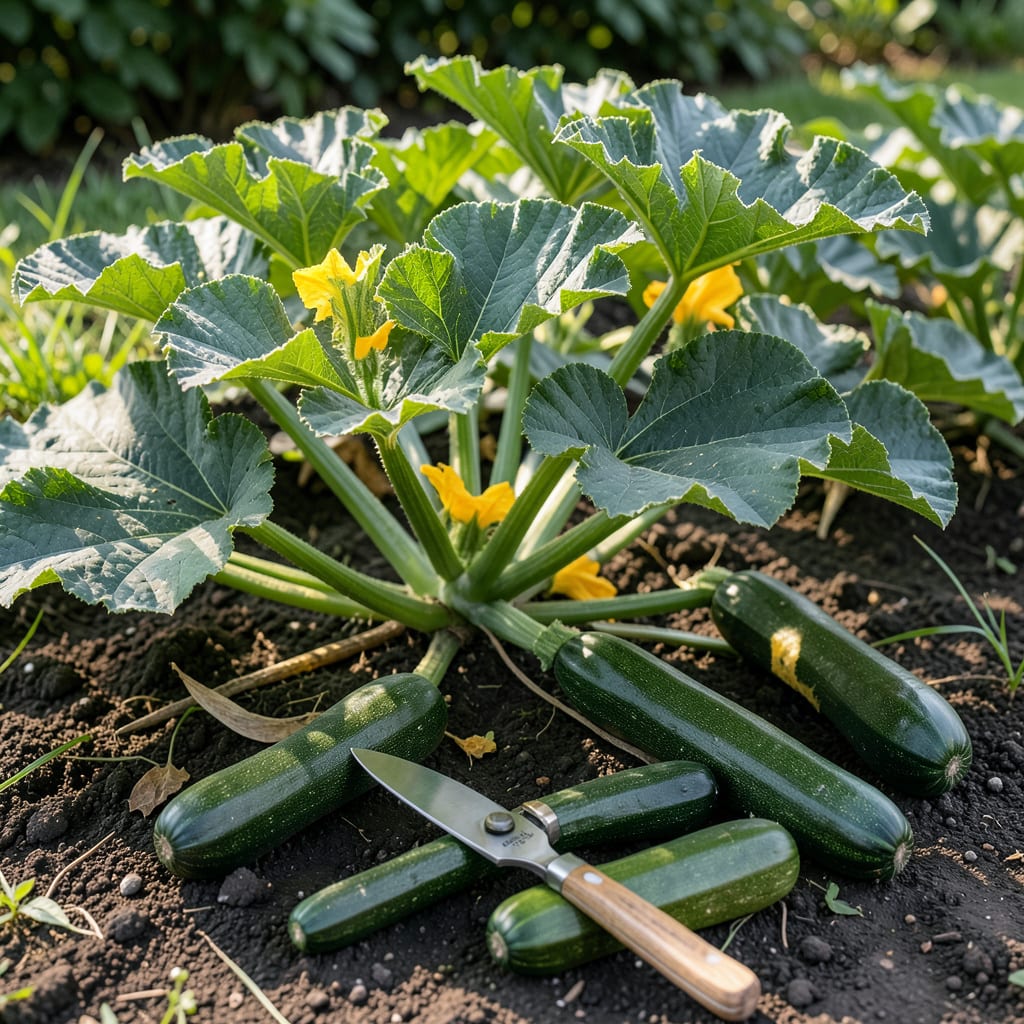
Picking Zucchini 🥒 at the right size makes all the difference between tender, flavorful squash and tough, seedy giants. Timing your harvest perfectly ensures the best texture and taste.
I’ll show you exactly when to pick for peak flavor. Whether you’re a new gardener or seasoned pro, these tips will help you get it right every time.


Harvesting zucchini at the perfect size is key to enjoying tender, flavorful squash. The ideal length is typically 6-8 inches, with a diameter of about 2 inches. At this stage, the skin is still thin and the seeds are small and soft.
Picking too early results in underdeveloped squash, while waiting too long leads to tough skin and large seeds. I always check my plants daily during peak season to catch them at just the right moment. ☀️
🌱 Ideal Zucchini Harvest Specs
| Requirement | Specification |
|---|---|
| Length | 6-8 inches |
| Diameter | 1.5-2 inches |
| Skin Texture | Shiny and firm |
| Seed Size | Small and soft |
I’ve learned that daily checks are crucial during warm weather, as zucchini can grow 1-2 inches overnight. The best time to harvest is in the early morning when the plants are most hydrated.
The flower end should still be slightly soft when you press it gently. If it feels hard, the squash may be overmature. I use a sharp knife or pruners to cut the stem cleanly, leaving about 1 inch attached.
Another sign of readiness is the color. Most zucchini varieties turn a deep green when mature, though some may have stripes or lighter shades. Avoid harvesting if the skin looks dull or matte, as this often indicates immaturity.
Regular harvesting actually encourages more production. I’ve noticed my plants produce 2-3 times more squash when I pick frequently. This prevents the plant from putting energy into oversized fruit and instead directs it toward new growth.
For the best texture, pick while the skin is still easy to pierce with a fingernail. If you need to use force, the squash is likely past its prime. I always test a few spots to be sure before making the cut. 🌱
If you do find an overgrown zucchini, don’t discard it. While the texture won’t be as tender, you can still use it for baking or shredding. Just be prepared for more seeds and tougher skin.
Finally, remember that consistent watering helps maintain steady growth. I water my plants deeply 2-3 times per week, especially during dry spells, to ensure even development. 💧
Leaving zucchini on the vine too long transforms your tender squash into tough-skinned giants with large seeds. These overmature fruits lose their delicate texture and develop a woody interior that’s less pleasant to eat.
I’ve seen baseball-bat-sized zucchini in gardens where harvests were delayed. Not only does this reduce flavor quality, but it also signals the plant to stop producing new fruit, as its energy goes into growing oversized squash.
⚠️ Overgrown Zucchini Risks
Tough skin, large seeds, and reduced plant productivity. Harvest daily in peak season to avoid this!
An overgrown zucchini can reach 12-18 inches or more, with thick rinds that are hard to cut. The seeds become large and fibrous, making them unappetizing in dishes. I always aim to pick before this stage to maintain quality.
Your plant’s productivity suffers too. When zucchini grow too large, the plant diverts resources away from producing new squash. This means fewer harvests overall. Regular picking keeps the plant in a productive cycle.
If you do find an oversized zucchini, don’t toss it. While it won’t be as tender, you can still salvage the flesh for baking or shredding. Just peel off the tough skin and remove the large seeds before using. 🌱
To prevent this, I check my plants daily during warm weather. Zucchini grow incredibly fast—sometimes 2 inches in a single day—so staying on top of harvests is key to enjoying the best flavor and texture.
Testing zucchini readiness is simple with a few practical checks. I start by examining the skin texture—it should be shiny and firm, not dull or soft. A gentle press with my fingernail should leave a small indentation.
The flower end offers another clue. It should feel slightly soft when pressed. If it’s hard, the squash may be overmature. I also check the color—most varieties turn deep green when ready, though some have stripes. ☀️
🌱 Quick Readiness Checks
Timing your harvest matters too. I always pick in the early morning when plants are most hydrated. This ensures the best texture and flavor. Using a sharp knife or pruners, I cut the stem cleanly, leaving about 1 inch attached.
For consistent results, I check my plants daily during peak season. Zucchini grow rapidly, sometimes 2 inches in a day. Regular harvesting encourages the plant to produce more, giving me a steady supply all season long. 🌱
If I’m unsure, I test a small area of the skin with my fingernail. If it pierces easily, it’s ready. If not, I wait another day. This simple test has saved me from harvesting underripe squash many times.
Harvesting under 4 inches means the squash hasn’t fully developed its flavor or texture. These tiny zucchini often taste bland and lack the firmness needed for most recipes.
Yes, but the texture will be tougher with large seeds. Peel the skin and remove seeds before using in baked goods or shredded dishes. They’re still edible, just less ideal for fresh eating.
Warm weather and consistent watering can make zucchini grow 1-2 inches overnight. Daily checks during peak season prevent them from becoming oversized.
Always use a sharp knife or pruners to cut the stem cleanly, leaving about 1 inch attached. Twisting can damage the plant and reduce future production.
