
Beautiful Plants For Your Interior
Beautiful Plants For Your Interior
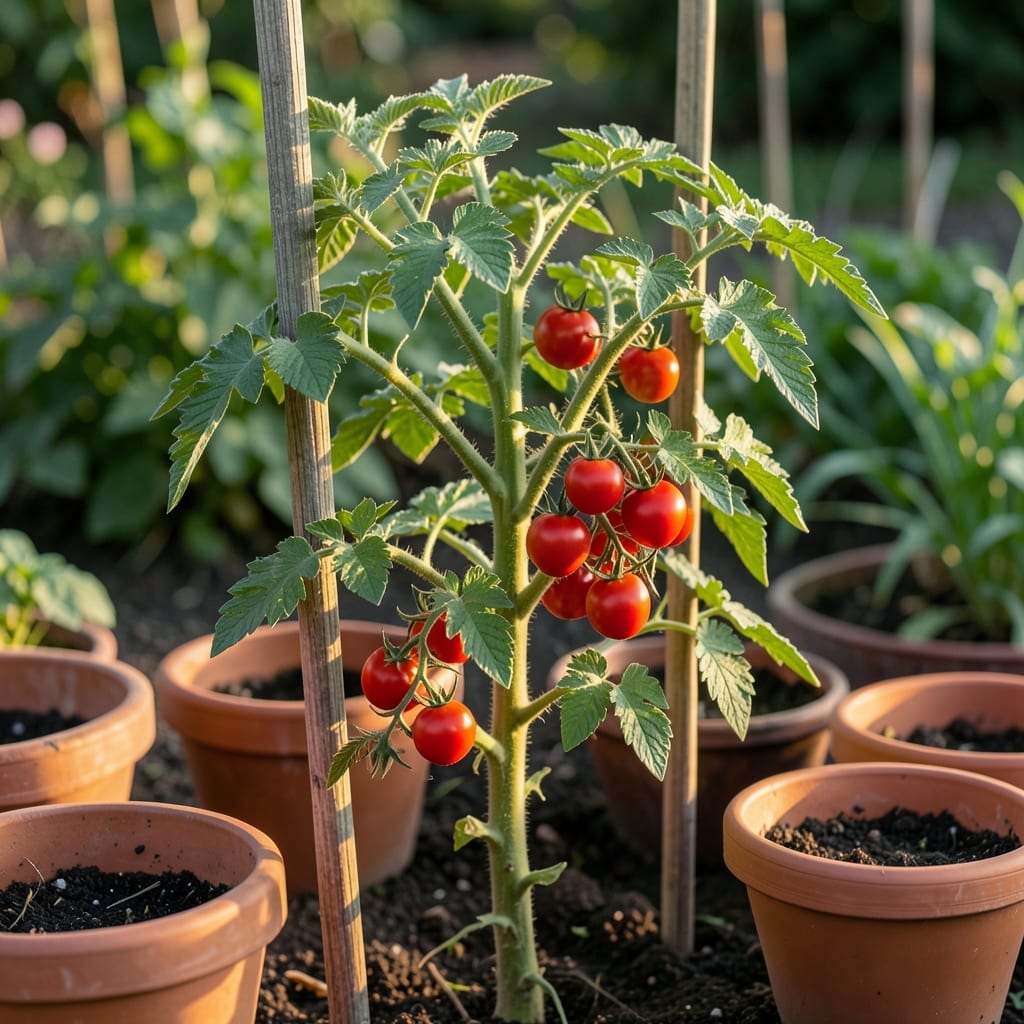
Choosing the right pot size is the secret to growing thriving Tomato plants, even in limited spaces. Too small, and your plant will struggle; too large, and you risk wasted space and poor drainage.
I’ve seen firsthand how the perfect container can transform a lackluster harvest into a bumper crop. The difference comes down to understanding your plant’s needs.
Let me show you exactly how to match pot size to your Tomato variety for the healthiest growth possible. The results might surprise you.


When growing tomato plants in containers, the pot size directly impacts root health and fruit production. I always recommend starting with the minimum requirements for your specific variety.
Smaller pots restrict root growth, leading to stunted plants and reduced yields. Larger containers give roots room to spread, but they also require more soil and water.
| Variety | Minimum Pot Size | Notes |
|---|---|---|
| Dwarf | 1-2 gallons | Compact growth habit |
| Cherry | 3-5 gallons | Prolific producers |
| Determinate | 5-7 gallons | Bush-type growth |
| Indeterminate | 7-10 gallons | Vining growth habit |
Dwarf tomatoes like ‘Tiny Tim’ or ‘Patio’ thrive in 1-2 gallon pots. Their compact size makes them perfect for balconies or small patios.
Cherry tomatoes such as ‘Sweet 100’ or ‘Sun Gold’ need 3-5 gallons to support their abundant fruit production. I’ve found they produce best with consistent moisture.
Determinate varieties like ‘Roma’ or ‘Celebrity’ require 5-7 gallons. These bush-type plants grow to a set size, making them ideal for container gardening.
Indeterminate tomatoes like ‘Beefsteak’ or ‘Brandywine’ demand the most space. I always use 7-10 gallon containers for these vigorous vines that can grow 6-10 feet tall.
Remember that depth matters too. Tomato roots can grow 12-18 inches deep, so shallow pots will limit your plant’s potential regardless of width.
For all varieties, ensure your container has drainage holes at the base. I’ve learned the hard way that waterlogged soil quickly leads to root rot and unhappy plants.
If you’re unsure about your variety, always size up rather than down. A slightly larger pot gives your tomato plant room to grow without the risk of becoming root-bound.
🌱
Selecting the right container involves more than just size. I consider material, drainage, and depth to ensure my tomato plants thrive in their new homes.
Plastic pots are lightweight and retain moisture, but terracotta offers better airflow for roots. Both work well if they have proper drainage and enough space for the variety.
The depth-to-width ratio is crucial. I aim for containers that are at least as deep as they are wide. This gives roots room to grow downward while providing stability for top-heavy plants.
For balcony gardening, I prefer lightweight plastic that’s easy to move. But for patio setups, I don’t mind the extra weight of ceramic or terracotta for better stability in wind.
Always check that your pot has multiple drainage holes. I’ve found that single-hole containers can lead to water pooling in one spot, which may cause root rot in one section while other roots stay dry.
If you’re growing in hot climates, lighter colored pots reflect heat better than dark ones. This simple choice can prevent soil from overheating and stressing your plants during summer peaks.
☀️