
Beautiful Plants For Your Interior
Beautiful Plants For Your Interior
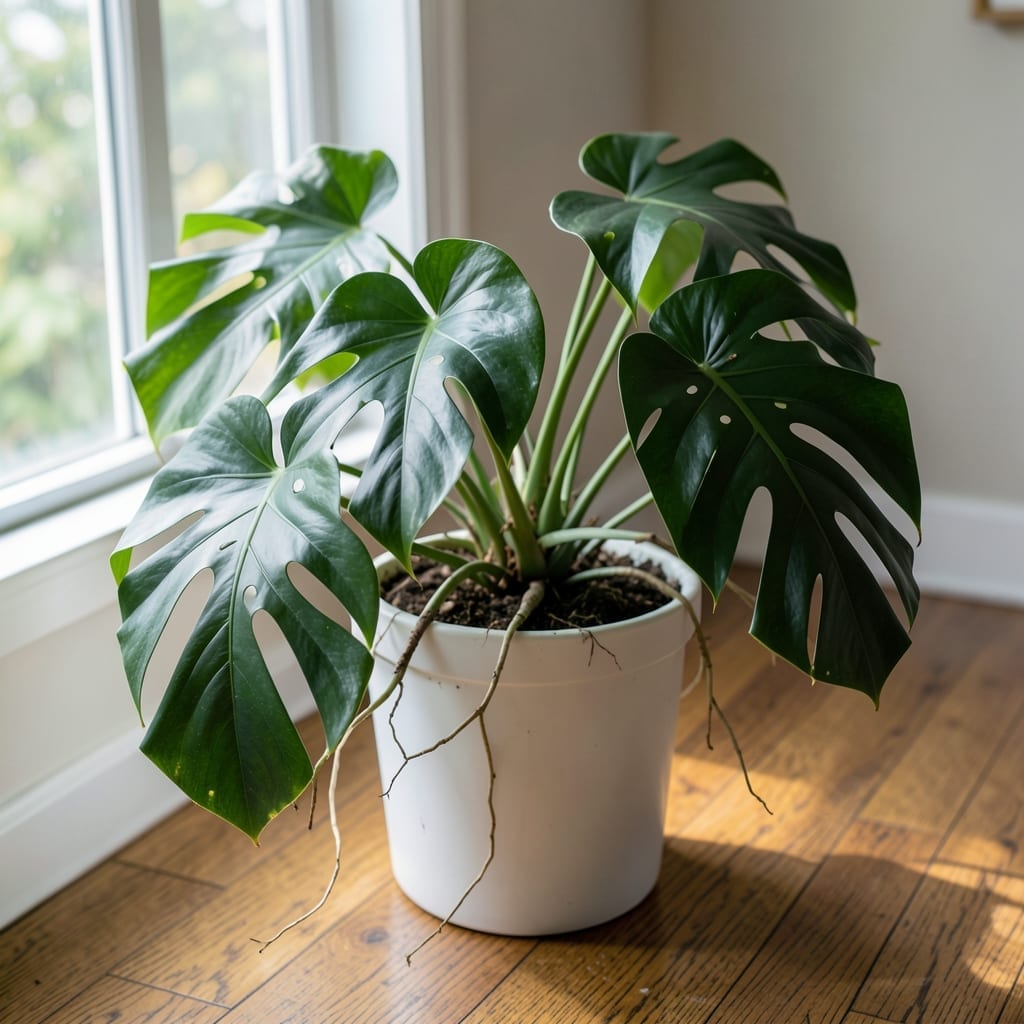
That Swiss Cheese Plant 🌿 in the corner of your living room might look modest now, but it’s quietly plotting its takeover. What starts as a small, manageable plant can grow into a statement piece that commands attention.
If you’ve ever wondered how much space this tropical beauty might need, you’re not alone. Many plant parents underestimate its potential, only to find it stretching toward the ceiling faster than expected.
In the right conditions, this vine can reach 6-10 feet indoors, with leaves spreading up to 3 feet wide. That’s taller than most door frames and wide enough to fill a sunny corner.
Let’s break down what influences its growth and how you can guide it to fit your space—without sacrificing its dramatic flair.
If you’re growing a Swiss cheese plant (Monstera deliciosa), you’ll want to know how big it can get. Indoors, this tropical vine typically reaches 6 to 10 feet tall, with leaves spreading 2 to 3 feet wide. It’s a statement plant that demands space!
In its native habitat, the Monstera deliciosa can grow much larger, often climbing 30+ feet up trees. But don’t worry—indoor growth is far more manageable with the right care and constraints.
| Growth Factor | Indoor Size | Outdoor Size |
|---|---|---|
| Height | 6-10 ft | 30+ ft |
| Leaf Spread | 2-3 ft | 3-5 ft |
| Growth Rate | 1-2 ft/year | 3+ ft/year |
The growth rate of your Swiss cheese plant depends heavily on its environment. With bright, indirect light and consistent care, it can grow 1 to 2 feet per year. In lower light, expect slower, more compact growth.
Another key factor is pot size. A root-bound plant will stay smaller, while a larger container allows for more expansion. I’ve seen my own Monstera double in size after repotting into a 12-inch pot.
Pruning also plays a role in controlling size. Regular trimming encourages bushier growth and prevents the plant from becoming too leggy. Don’t be afraid to trim back long vines to maintain your desired shape.
For those with limited space, consider training your Swiss cheese plant to climb a moss pole or trellis. This vertical growth habit can save floor space while still allowing the plant to reach impressive heights.
If you’re aiming for a full, lush look, rotate your plant occasionally to ensure even light distribution. This helps the leaves grow uniformly and prevents the plant from leaning toward the light source.
Remember, the Monstera deliciosa is a vining plant by nature. Without support, it will sprawl across the floor, but with a sturdy structure, it can climb beautifully, adding a dramatic touch to any room.
Finally, keep in mind that humidity and fertilization can boost growth. Higher humidity mimics its tropical origins, while regular feeding provides the nutrients needed for those iconic fenestrated leaves to reach their full potential. 🌿
If you’ve ever wondered why your Swiss cheese plant isn’t reaching its full 6-10 ft potential, light is often the culprit. I’ve seen these beauties stretch toward bright indirect light like they’re chasing the sun, growing 2-3x faster than in dim corners.
Consistent watering habits and humidity levels also play huge roles. These tropical natives thrive in 60-80% humidity, and their growth slows dramatically in dry air. I always recommend a pebble tray for indoor plants.
Don’t underestimate the power of fertilization. Using a balanced 10-10-10 formula monthly during spring and summer can make a noticeable difference. I’ve watched my own plant’s leaves grow 20% larger after switching to this routine.
Pot size matters more than you think. A root-bound Monstera will struggle to grow. When roots start circling the bottom, it’s time to upgrade to a pot 2-3 inches larger in diameter.
Temperature also affects growth rate. These plants prefer 65-85°F and will slow down significantly in cooler conditions. I keep mine away from drafty windows in winter to maintain steady growth.
Lastly, pruning might seem counterintuitive, but it actually encourages fuller growth. I always trim back leggy stems in early spring to promote new, bushier development. This keeps my plant at a manageable size while still allowing it to thrive.
Remember, patience is key—these tropical giants grow steadily, not overnight.