
Beautiful Plants For Your Interior
Beautiful Plants For Your Interior
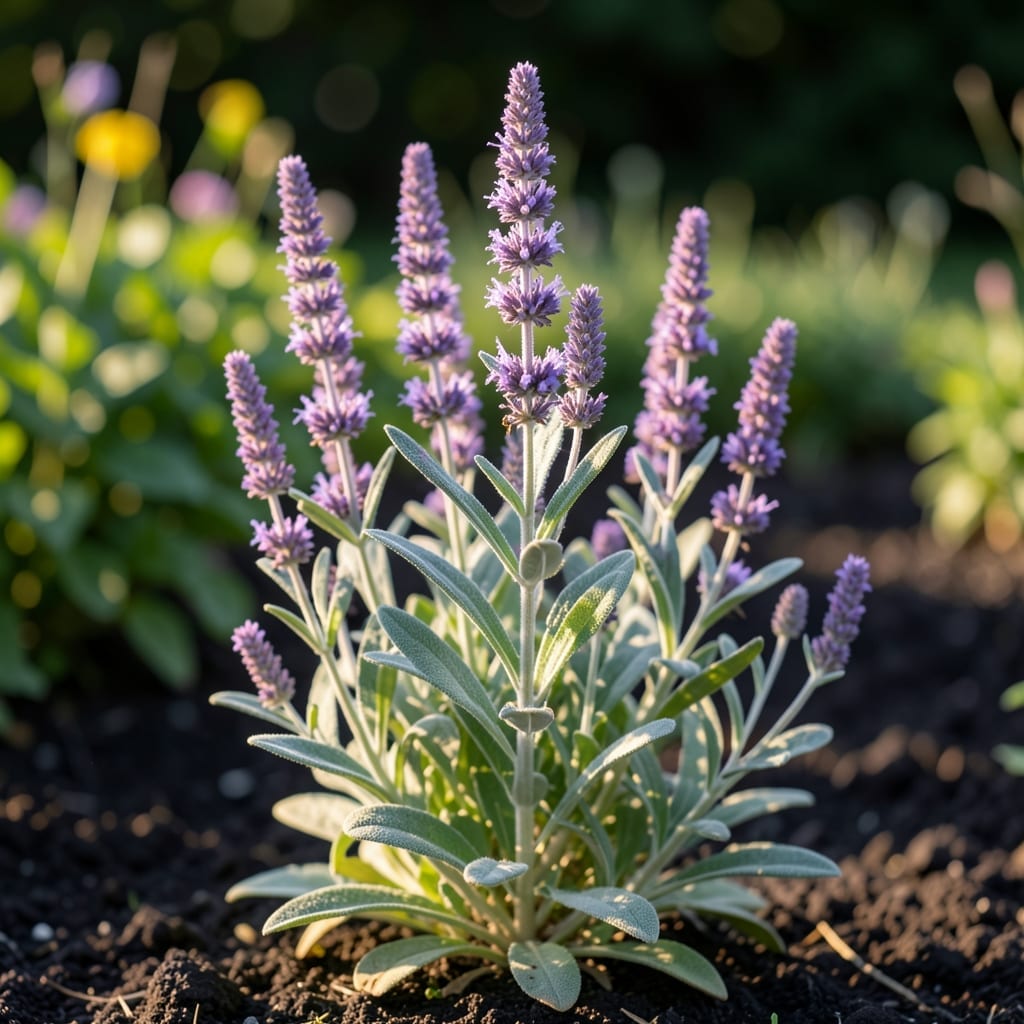
I remember the first time I planted 🌿 Russian Sage in my garden. Its towering presence completely transformed the space, but I had no idea it would grow that large.
This stunning perennial can reach 3-5 feet tall with a similar spread, making it a dramatic focal point. Its size often surprises new gardeners who underestimate its growth potential.
Understanding these dimensions is the key to proper placement. Let me share what I’ve learned about managing Russian Sage’s impressive stature in your landscape.
When I first planted Russian Sage in my garden, I was amazed by how quickly it grew to its full size. This drought-tolerant perennial typically reaches a mature height of 3 to 5 feet with a similar spread.
Its shrub-like growth habit makes it a standout in any landscape, but gardeners often underestimate its potential. The width can stretch between 2 to 4 feet, depending on the cultivar and growing conditions.
| Characteristic | Specification |
|---|---|
| Mature Height | 3-5 feet |
| Mature Spread | 2-4 feet |
| Growth Habit | Shrub-like perennial |
| USDA Zones | 5-9 |
I’ve noticed that Russian Sage tends to grow taller in ideal conditions with full sun and well-draining soil. In partial shade, it may stay on the shorter end of the range.
Some dwarf cultivars like ‘Little Spire’ stay more compact at 2-3 feet tall, making them perfect for smaller gardens. These varieties maintain the same fragrant foliage and lavender-blue flowers but in a tidier package.
For garden planning, I always recommend giving each plant at least 3 feet of space to accommodate its spread. This prevents overcrowding and ensures good air circulation, which is vital for plant health.
The first year of growth is usually modest, with plants reaching about 1-2 feet. By the second year, they start filling out, and by the third year, they typically reach their mature dimensions.
I’ve found that pruning in early spring helps maintain a neat shape and encourages bushier growth. Without pruning, Russian Sage can become leggy and unruly, losing its attractive form.
Its upright growth habit makes it excellent for back borders or as a focal point in the garden. The silvery foliage and tall flower spikes create a dramatic vertical element that draws the eye.
Remember that soil conditions play a role in final size. In poor, dry soils, plants may stay smaller, while in rich, moist soils, they can grow more vigorously. 🌿
In my experience, the final size of Russian Sage depends heavily on growing conditions. The most significant factor is sunlight exposure – plants in full sun consistently reach the upper end of their height range.
Soil quality also plays a major role. In well-draining soil, Russian Sage thrives and grows more vigorously. Poor, compacted soils can stunt its growth significantly.
Watering habits affect size too. While Russian Sage is drought-resistant, consistent moisture during the first growing season helps establish a strong root system that supports larger growth.
Pruning techniques can control size. I always prune mine in early spring to remove dead wood and shape the plant. This encourages bushier growth rather than leggy stems.
Climate zone makes a difference as well. In warmer zones, plants may grow taller and bloom earlier. In cooler areas, they might stay more compact but still produce abundant flowers.
I’ve found that companion planting can also influence growth. When planted near taller perennials, Russian Sage may stretch upward to compete for light, while in open spaces it spreads outward more. 🌿