
Beautiful Plants For Your Interior
Beautiful Plants For Your Interior
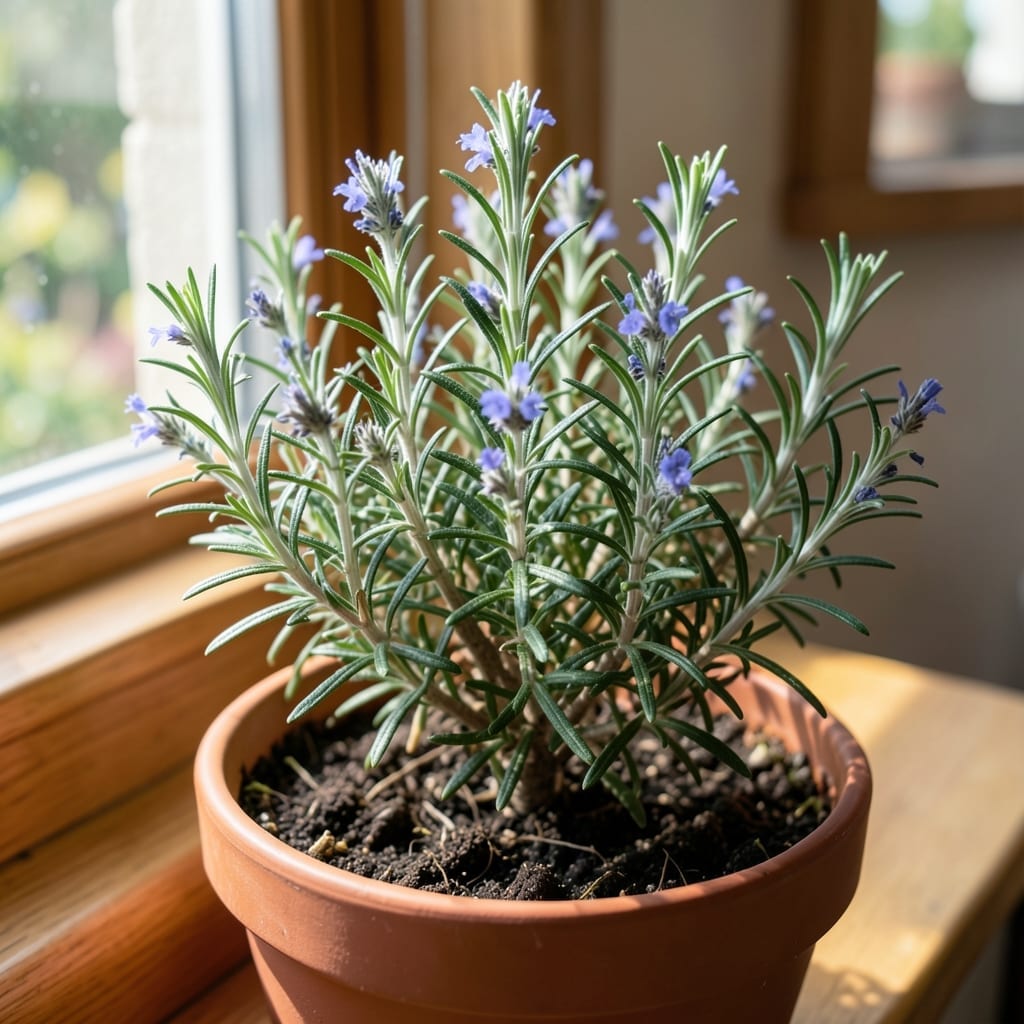
Planning your herb garden and wondering about space? Rosemary might just surprise you with its growth potential. This versatile herb isn’t just for flavor—it can become a stunning landscape feature if given room to thrive.
Whether you’re working with a sprawling backyard or a cozy patio container, understanding its mature size is the key to success. The 🌿 Rosemary plant has a way of filling spaces beautifully when properly managed.
From upright varieties that reach surprising heights to trailing types that cascade gracefully, each has its own personality. The difference in their growth habits can transform how you design your garden layout.
Let me walk you through what to expect and how to make the most of this aromatic herb’s natural tendencies. You’ll be amazed at how much character it can add to your outdoor space.

When I first planted rosemary, I was amazed by how quickly it grew. This woody perennial herb can reach impressive sizes if given the right conditions. Most gardeners don’t realize how much space it needs until it’s too late.
In ideal conditions, upright rosemary varieties typically grow 4-6 feet tall with a 3-5 foot spread. That’s taller than many small shrubs! But there’s more to the story than just average sizes.
| Variety | Height | Spread |
|---|---|---|
| Upright Rosemary | 4-6 ft | 3-5 ft |
| Prostrate Rosemary | 1-2 ft | 4-8 ft |
| Dwarf Rosemary | 1-2 ft | 1-2 ft |
I’ve found that prostrate varieties like ‘Blue Spires’ stay low at 1-2 feet tall but can spread up to 8 feet wide. These are perfect for cascading over walls or as ground covers in my garden.
The dwarf rosemary types are the most compact, maxing out at about 2 feet in both height and width. These are ideal for container gardening or small spaces where you want to keep things tidy.
Climate plays a huge role in rosemary size. In my experience, plants in warmer zones (8-10) grow significantly larger than those in cooler areas. The growing season is longer, allowing more time for expansion.
I remember one rosemary plant in my Zone 9 garden that reached nearly 7 feet tall after three years. It became a focal point in the landscape! Meanwhile, a friend in Zone 6 reported her plants staying around 3 feet tall.
For container growing, I recommend starting with a 12-16 inch pot for dwarf varieties. Larger upright types will need at least a 20-inch container to accommodate their root systems and future growth.
It’s important to note that rosemary grows slowly at first. In its first year, expect about 1-2 feet of growth. By the second year, it typically reaches 2-4 feet, and full maturity comes in the third year.
I always tell new gardeners to plan for the mature size, not the current size. Giving your rosemary enough space from the start prevents crowding and the need for frequent transplanting as it grows.
And remember, these sizes are for well-maintained plants. With proper sunlight, water, and pruning, your rosemary can reach its full potential in your garden 🌿
If you’ve ever wondered how big does rosemary grow, know that several key factors can shape its final size. From my experience, sunlight exposure and soil conditions play the biggest roles in determining whether your plant reaches its full potential.
I’ve seen upright rosemary varieties thrive in full sun while struggling in shady spots. Even the container size can limit growth, as roots need room to expand for the plant to reach its 4-6 ft height.
In my garden, Rosemary ‘Arp’ grew taller when I improved the soil drainage. I added sand and compost to the planting area, which made a noticeable difference in just one season.
Don’t underestimate the power of pruning. I prune my rosemary twice a year—once in early spring and again after flowering—to maintain a compact shape while encouraging new growth.
For container gardening, I recommend starting with a 12-inch pot for dwarf varieties and upgrading to 18-24 inches for standard types. This gives roots enough space to support optimal growth.
Remember that climate matters too. In warmer zones (8-10), rosemary can grow larger, while in cooler areas, it may stay more compact. I’ve noticed my plants grow about 20% larger in summer months.
With proper care, your rosemary can reach its full size potential and become a stunning, fragrant addition to your garden space 🌿