
Beautiful Plants For Your Interior
Beautiful Plants For Your Interior
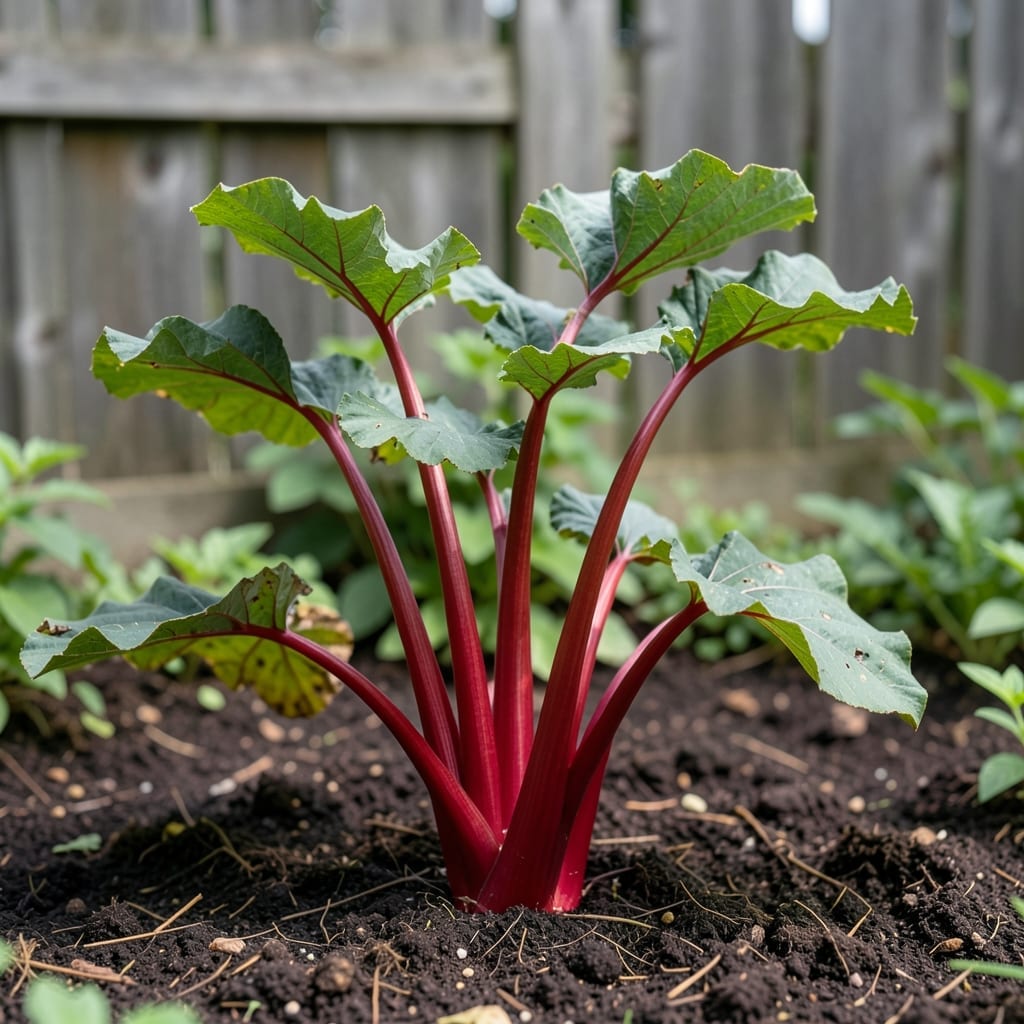
Curious about the space rhubarb needs in your garden? Understanding its mature size helps you plan the perfect spot for this hardy perennial.
I remember the first time I planted Rhubarb 🌱 – I had no idea how much room it would eventually claim. Turns out, this plant doesn’t stay small for long.
You’ll want to know these dimensions before planting. The numbers might surprise you, especially if you’re working with limited space.
Discover the typical height and spread of mature rhubarb, along with the factors that can influence its size. This knowledge is the key to a thriving patch.
If you’re planning to grow rhubarb in your garden, knowing its mature size is key. Typically, rhubarb plants reach a height of 2-4 feet, with a spread of 3-4 feet at full maturity.
This hardy perennial can vary slightly by cultivar and growing conditions. Most varieties, like ‘Victoria’ or ‘Canada Red’, fall within this range. Proper spacing ensures healthy growth and easy maintenance.
| Characteristic | Specification |
|---|---|
| Mature Height | 2-4 feet |
| Mature Spread | 3-4 feet |
| First Year Height | 1-2 feet |
| Full Maturity | 3-4 years |
| Stalk Length | 10-15 inches |
In the first year, rhubarb plants usually stay smaller, around 1-2 feet tall. By the second year, they can grow to 2-3 feet, and reach their full 3-4 foot height by year three.
The spread of rhubarb is equally important. Each plant needs about 3-4 feet of space in all directions. This ensures good air circulation and reduces disease risk.
For container gardening, choose a pot at least 20 inches deep and 24 inches wide. This mimics in-ground conditions and supports healthy root development.
I’ve found that well-draining soil and full sun help rhubarb reach its maximum size. Partial shade works but may result in slightly smaller plants.
Some dwarf varieties stay on the smaller end, around 2 feet tall. However, most gardeners prefer standard types for their abundant stalks and vigorous growth.
Remember, crowding rhubarb can stunt growth. Give each plant enough room to thrive, and you’ll enjoy lush foliage and plentiful harvests for years.
In my experience, rhubarb’s size makes it a great back-of-border plant. Its large leaves add drama, while its height won’t overwhelm smaller garden neighbors.
🌱Several key elements determine how big your rhubarb plants will grow. From my experience, soil quality tops the list—rich, well-draining soil gives roots room to expand and fuels vigorous growth.
Sunlight exposure plays a major role too. Rhubarb thrives with 6+ hours of sun daily, though it tolerates partial shade. More sun typically means taller stalks and wider leaves. ☀️
Watering practices also impact size. I maintain consistent moisture—about 1-2 inches weekly—especially during dry spells. Too little water stresses the plant, while too much can rot the roots.
The rhubarb cultivar you choose makes a difference. While most reach 2-4 feet tall, some like ‘Cherry Red’ may grow slightly larger. Dwarf varieties stay compact but produce fewer stalks.
Planting density affects final size too. I space my rhubarb 3-4 feet apart to prevent competition. This gives each plant enough room to reach its maximum potential.
In my garden, I’ve noticed that mulching helps maintain soil moisture and temperature, which supports steady growth. A 2-3 inch layer of organic mulch works wonders.
🌱