
Beautiful Plants For Your Interior
Beautiful Plants For Your Interior
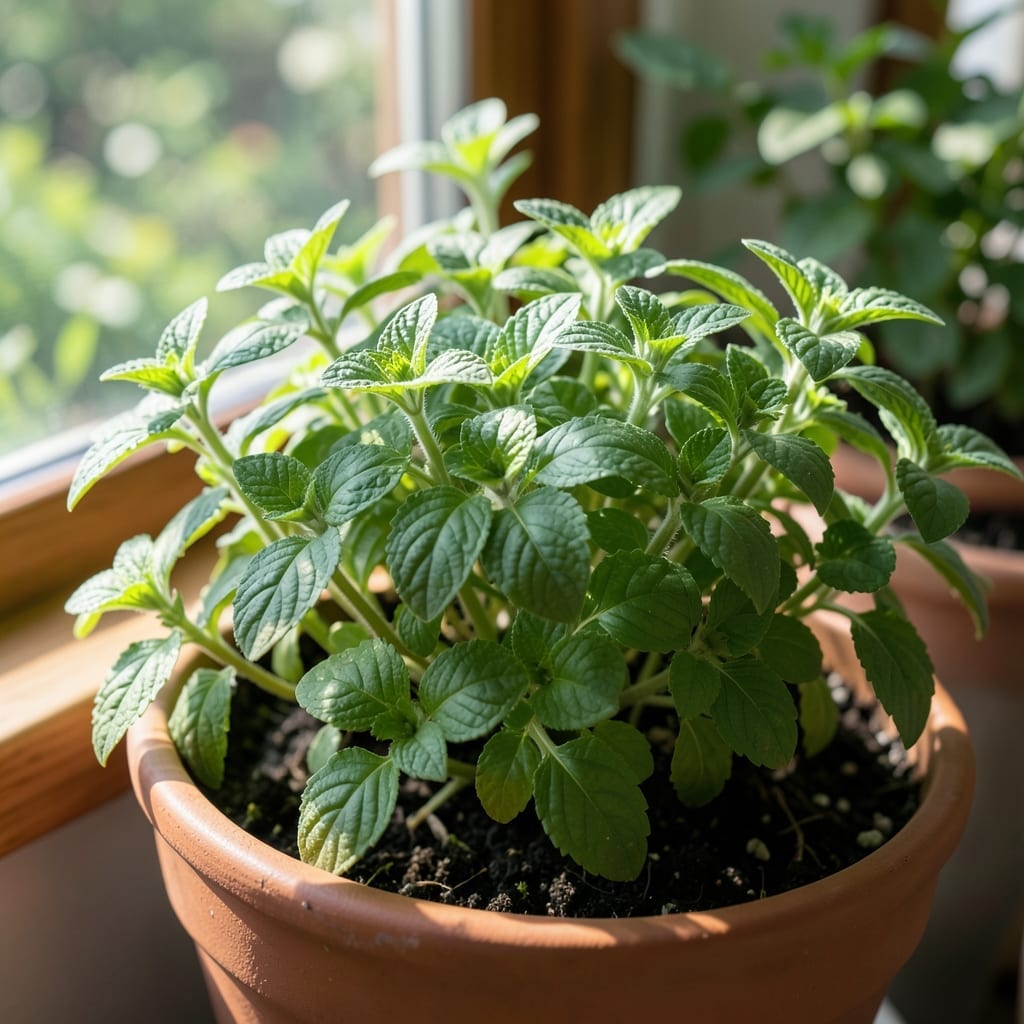
Mint’s vigorous growth can surprise even experienced gardeners. Its rapid spread often outpacing expectations, making it the most important plant to understand before planting.
I remember when I first planted 🌿 Mint in my garden. Within weeks, it had taken over space I’d reserved for other herbs. This experience taught me that knowing its potential size is crucial for proper garden planning.
Understanding how Mint grows helps you prevent invasive overgrowth. You’ll learn to manage its expansion while enjoying its fresh aroma and flavor.
Discover the typical height and spread of Mint, along with practical tips for controlling its growth in your garden or containers.

Mint’s growth habits vary by type, but most varieties share a vigorous spreading nature. Understanding these differences helps you choose the right mint for your space and prevent overgrowth before it starts.
In my garden, I’ve seen peppermint and spearmint reach 2-3 feet tall with a 1-2 foot spread, while chocolate mint stays slightly more compact. Their runners, however, can extend much further underground.
Mint Varieties Growth Summary
| Variety | Height | Spread |
| Peppermint | 2-3 ft | 1-2 ft (runners 3+ ft) |
| Spearmint | 2-3 ft | 1-2 ft (runners 3+ ft) |
| Chocolate Mint | 1-2 ft | 1-2 ft (runners 2-3 ft) |
| Pineapple Mint | 1-2 ft | 1-2 ft (runners 2-3 ft) |
| Apple Mint | 2-3 ft | 1-2 ft (runners 3+ ft) |
Most mint varieties will reach knee to waist height at maturity. The above-ground spread is typically 1-2 feet wide, but the real challenge comes from the underground runners or stolons.
These horizontal stems can extend several feet in all directions, sending up new shoots far from the original plant. This is why mint is often considered invasive in garden beds.
I’ve found that container growing is the most effective way to control mint’s spread. Even in pots, the plants can reach their full height potential of 2-3 feet, but the roots are confined.
The growth rate is impressive too. Under ideal conditions, mint can grow 1-2 inches per week during its active growing season, which is typically spring through fall.
Light conditions affect size as well. Mint grown in full sun tends to be bushier and more compact, while those in partial shade may grow taller as they stretch for light.
Soil quality plays a role too. Rich, well-draining soil encourages healthy growth, while poor soil may result in stunted plants. I always amend my soil with compost before planting mint.
Remember that these size estimates are for mature plants. First-year mint may stay smaller, but by the second year, it typically reaches its full potential. Regular harvesting actually encourages bushier growth. ☀️
To manage mint’s size, I recommend regular pruning and dividing plants every 2-3 years. This keeps them vigorous and prevents them from becoming woody and leggy. 🌱
Mint’s aggressive spreading habit can quickly overwhelm a garden if left unchecked. I learned this the hard way when my peppermint patch expanded three times its original size in one season.
Fortunately, there are effective ways to manage its growth while still enjoying its benefits. The key is proactive control rather than reactive fixes.
✅ 4 Essential Mint Control Methods
For in-ground planting, I always recommend root barriers. These can be made from plastic edging or metal sheets buried vertically around the planting area.
Container gardening offers the simplest solution. A 12-inch diameter pot with drainage holes works well for most mint varieties. Remember that mint in pots may need more frequent watering than in-ground plants.
I’ve found that regular pruning not only controls size but also improves plant health. Cutting back the tops by one-third every 4-6 weeks encourages bushier growth and prevents legginess.
Another effective method is strategic placement. Plant mint in areas where its spread won’t be problematic, such as along a fence line or in a dedicated herb garden away from other plants.
Remember that mint’s underground runners are its secret weapon. Even if you remove the above-ground growth, these runners can keep spreading. That’s why physical barriers work better than just pulling up unwanted shoots. 🌿