
Beautiful Plants For Your Interior
Beautiful Plants For Your Interior
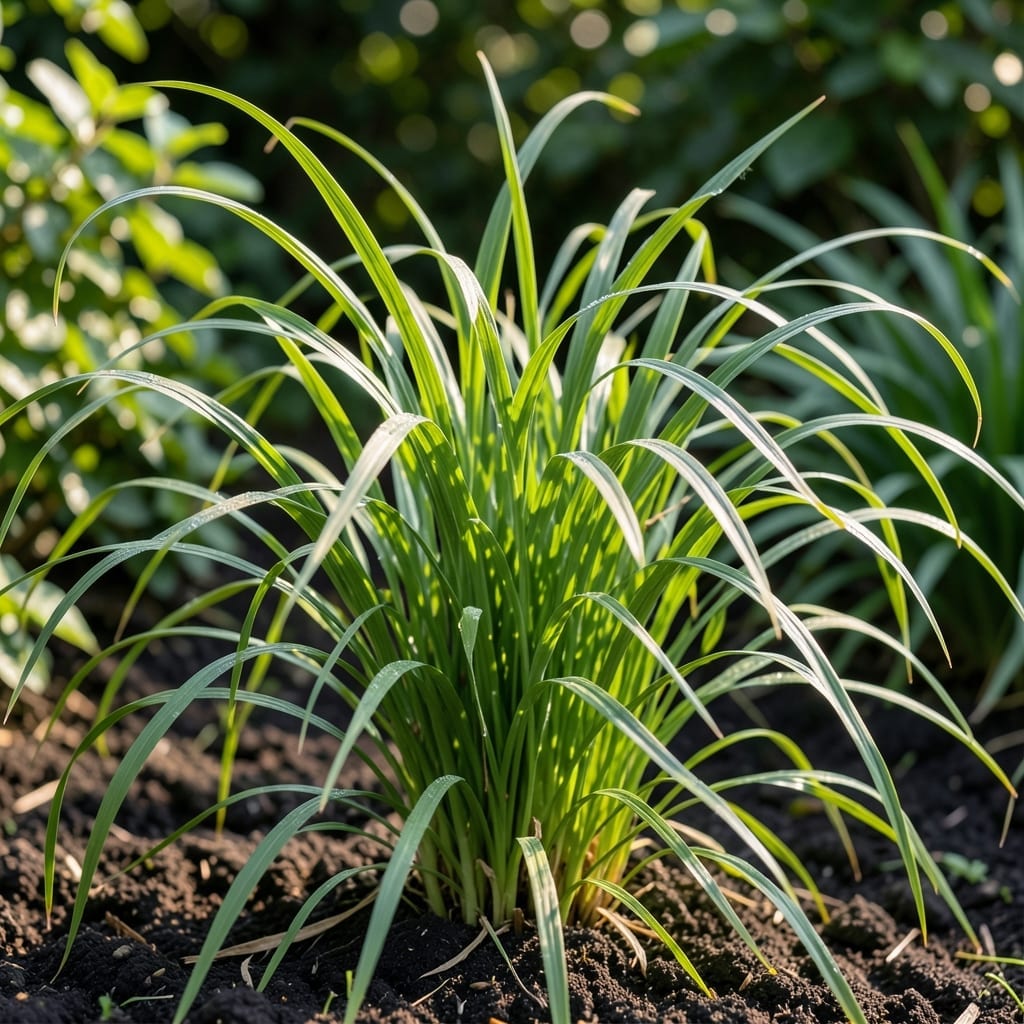
Lemongrass is a versatile and fragrant tropical plant that can transform your garden into a lush, aromatic paradise. But how much space does it really need to thrive?
Understanding the mature size of 🌿 Lemongrass is the key to proper spacing and garden planning. Without this knowledge, you might end up with overcrowded plants or wasted space.
I’ll walk you through everything from its typical height and spread to the factors that influence its growth. Whether you’re planting in the ground or containers, you’ll learn how to give it the room it needs.
By the end, you’ll have a clear picture of how this vibrant plant fits into your garden and how to manage its size effectively.

If you’re planning to grow lemongrass, knowing its mature size is essential for proper placement. In ideal conditions, standard lemongrass typically reaches 3 to 4 feet tall with a 2 to 3-foot spread. This makes it a medium-sized ornamental grass that stands out in any garden.
Most gardeners grow Cymbopogon citratus, the common culinary variety, which fits this size range. However, Cymbopogon flexuosus, or East Indian lemongrass, may grow slightly taller under perfect tropical conditions. Both varieties have arching, strap-like leaves that create a fountain-like appearance.
| Variety | Mature Height | Spread | Growth Notes |
|---|---|---|---|
| Cymbopogon citratus | 3-4 ft | 2-3 ft | Most common culinary type |
| Cymbopogon flexuosus | 4-5 ft | 2-4 ft | Taller in tropical climates |
| Dwarf varieties | 2-3 ft | 1-2 ft | Compact for containers |
The height of lemongrass can vary based on growing conditions. In USDA zones 9-11, where it’s perennial, plants often reach their maximum height. In cooler climates grown as annuals, they may stay slightly smaller, typically 2-3 feet tall in a single season.
Soil quality plays a big role in size. Lemongrass thrives in well-draining, rich soil with consistent moisture. Poor soil can stunt growth, resulting in shorter, less robust plants. I’ve seen plants struggle to reach even 2 feet in compacted or nutrient-poor soil.
Sunlight exposure is another critical factor. With 6+ hours of full sun daily, lemongrass grows vigorously. In partial shade, expect reduced height and a more open, leggy appearance. The spread may also be less dense in shadier spots.
For container gardening, choose a large pot (at least 12-16 inches in diameter) to accommodate the root system. Even in containers, well-cared-for lemongrass can reach 3-4 feet tall, though it may be slightly more compact than in-ground plants.
Watering practices affect size too. Lemongrass prefers consistently moist soil but dislikes waterlogged roots. During hot summer months, I recommend deep watering 2-3 times per week to support maximum growth.
In my experience, fertilizing every 4-6 weeks with a balanced 10-10-10 fertilizer gives lemongrass the nutrients it needs to reach its full size potential. However, over-fertilizing can lead to excessive leaf growth at the expense of stalk development.
Remember that lemongrass clumps expand over time. Each plant can produce multiple stalks, and the clump will gradually widen. In the ground, I space plants 2-3 feet apart to allow for this natural spread.
In tropical climates where lemongrass is perennial, it can grow even larger in subsequent years. I’ve seen 4-year-old clumps reach nearly 5 feet tall with a 4-foot spread, creating an impressive tropical focal point in the garden.
If you’re growing lemongrass and want to manage its size, there are several effective techniques. This tropical grass can reach 3-4 feet tall with a 2-3 foot spread, but you can control it with the right approach.
I’ve found that container gardening is one of the best ways to limit growth. A 12-16 inch pot restricts root expansion, naturally keeping the plant smaller while still allowing it to thrive. This method is perfect for patios or small gardens.
Another method I recommend is regular pruning. By cutting back the tall stalks every few weeks, you encourage the plant to grow fuller rather than taller. This keeps it compact and bushier.
For garden beds, proper spacing is key. Plant lemongrass 2-3 feet apart to give each plant enough room to grow without competing for sunlight or nutrients. This also improves air circulation.
If you notice your lemongrass getting too large, try digging up and dividing the clumps every 2-3 years. This rejuvenates the plant and helps control its size while giving you more plants to share or replant.
With these techniques, you can enjoy the aromatic benefits of lemongrass without letting it take over your garden space. ✂️