
Beautiful Plants For Your Interior
Beautiful Plants For Your Interior
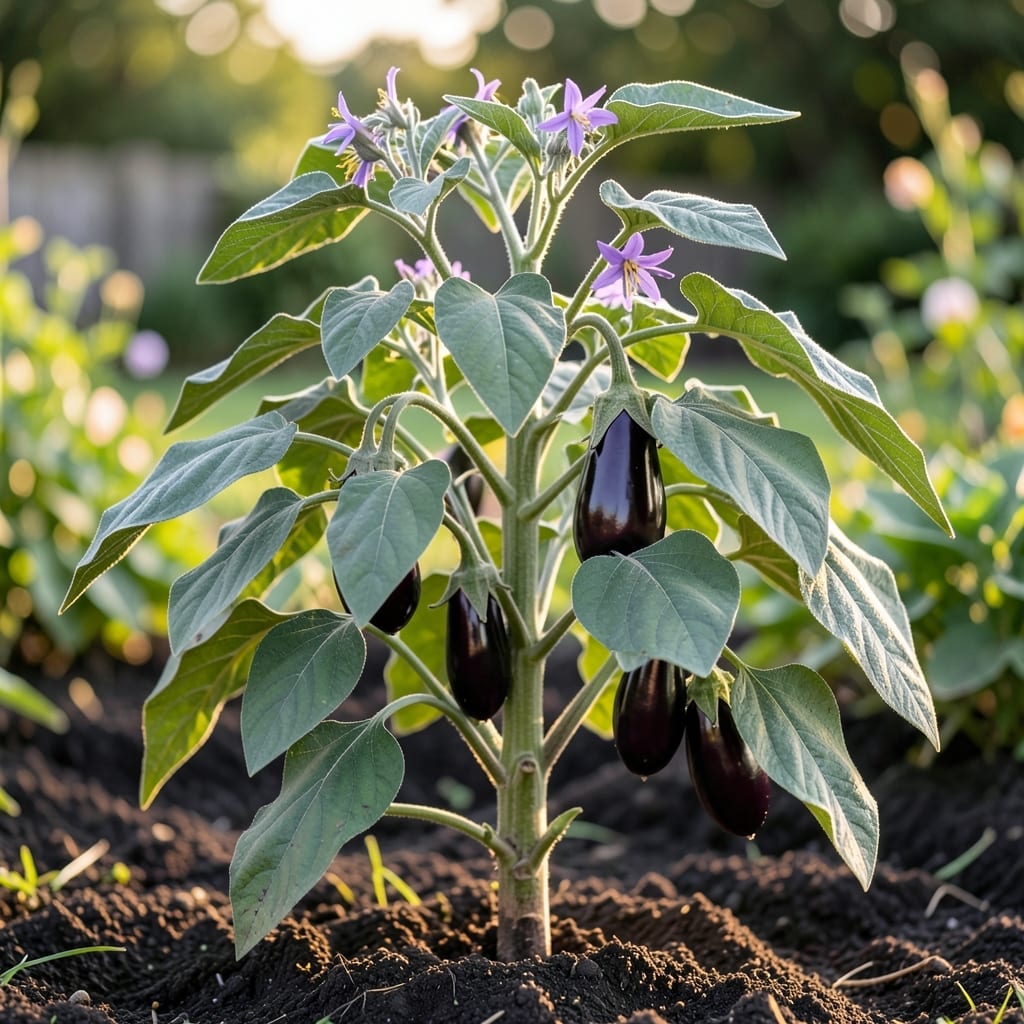
Curious about the space your garden’s 🍆 Eggplant will claim this growing season? These versatile plants can surprise you with their range, from compact patio varieties to towering 3-4 ft giants that demand room to thrive.
What starts as a small seedling can transform into a substantial presence in your garden. The size your Eggplant reaches depends on more than just luck—it’s about variety selection and care.
I’ll break down how different Eggplant types grow, what influences their final height and spread, and how to plan your garden layout accordingly. No more guessing games about spacing or supports.
Discover the simple yet effective strategies to help your Eggplant reach its full potential—or keep it perfectly manageable for your space.

Eggplant sizes vary widely by variety, from tiny Fairy Tale plants to towering Black Beauty specimens. I’ve grown both extremes in my garden, and the difference is striking. Compact types stay under 2 feet tall, while giants can reach 4-5 feet with proper care.
Most home gardeners start with standard varieties like Ichiban, which typically grow 24-36 inches tall and 18-24 inches wide. Their long, slender fruits can stretch 10-12 inches under ideal conditions. These are perfect for raised beds or container gardening.
| Variety | Height | Width | Fruit Size |
|---|---|---|---|
| Black Beauty | 3-4 ft | 2-3 ft | 6-8 in |
| Ichiban | 2-3 ft | 1.5-2 ft | 10-12 in |
| Fairy Tale | 1.5-2 ft | 1.5-2 ft | 4-6 in |
| White Egg | 2-3 ft | 2 ft | 4-5 in |
For small-space gardens, I recommend Fairy Tale or Patio Baby varieties. These compact plants max out at 2 feet tall and produce small, sweet fruits perfect for containers. They’re ideal for balcony gardens or urban settings.
Large heirloom varieties like Rosa Bianca or Listada de Gandia can grow 4 feet tall and need 3 feet of space between plants. I’ve found these do best in in-ground beds with rich, well-draining soil. Their striped or variegated fruits add visual interest too.
The fruit size also varies dramatically. Japanese varieties often produce long, thin eggplants up to 14 inches, while Italian types tend to be rounder and plumper. I once grew a Sicilian eggplant that weighed over 2 pounds!
Remember that plant size affects fruit production. Larger plants typically yield more eggplants per season, but they also require more nutrients and water. I’ve seen Black Beauty plants produce 10-12 fruits in a good year.
For vertical gardening, consider staking or trellising taller varieties. I use bamboo stakes or cattle panels to support my 4-foot plants. This saves space and improves air circulation, reducing disease risk.
If you’re new to growing eggplants, start with a medium-sized variety like Black Beauty. It’s forgiving and productive, reaching a manageable 3-4 feet in most gardens. Plus, its classic purple fruits are what most people expect.
No matter the variety, give your eggplants plenty of sun (at least 6-8 hours daily) and consistent moisture. I’ve found that mulching helps maintain soil temperature and retains water, which encourages steady growth.
With the right care, your eggplants will reward you with abundant harvests all season long 🌱
Eggplant size isn’t just about genetics—it’s heavily influenced by garden conditions. I’ve seen the same variety produce stunted plants in poor soil or giant specimens with ideal care. Your role as a gardener is to create the best environment possible.
Soil quality tops the list. Rich, well-draining soil with plenty of organic matter gives roots room to expand, directly impacting plant height and fruit size. Aim for a pH of 6.0-6.8 for optimal nutrient uptake 🌱
Sunlight is non-negotiable. Full sun exposure means your eggplants can photosynthesize efficiently, leading to stronger stems and larger fruits. Anything less and you’ll see spindly growth and smaller yields.
Watering plays a crucial role too. Inconsistent moisture causes stress, stunting growth. I recommend deep watering 2-3 times weekly, more in extreme heat. Mulching helps retain that precious moisture 💧
Don’t overlook pruning. By removing excessive foliage and suckers, you channel the plant’s energy into fruit development rather than leaf production. This is especially important for large varieties like Black Beauty.
Finally, consider your planting method. In-ground plants often grow larger than those in containers, but with the right care, potted eggplants can thrive. Just ensure your container is deep and wide enough for root expansion.