
Beautiful Plants For Your Interior
Beautiful Plants For Your Interior
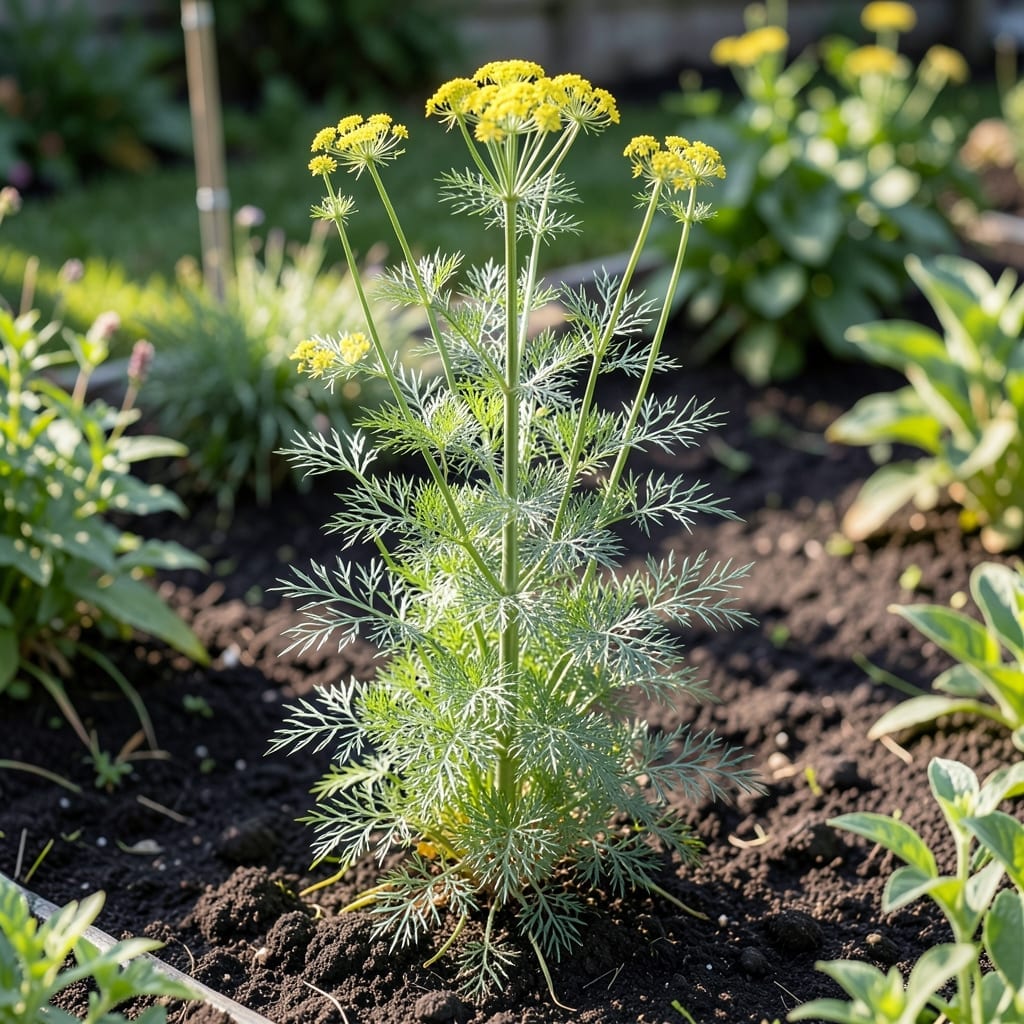
Dill’s feathery foliage and bright yellow umbels can add both flavor and beauty to your garden. But before you plant, understanding its mature size is the key to proper spacing and planning.
This aromatic herb doesn’t stay small for long. In the right conditions, it can grow taller than your kitchen counter, surprising many first-time gardeners with its height.
Whether you’re planting in Zone 6 or a container on your patio, knowing how big dill gets helps you design a garden that thrives. The 🌿 Dill plant often reaches impressive dimensions by summer’s end.
Discover how to manage its growth and why this herb might become your garden’s most impressive vertical element this season.
If you’re growing dill in your garden, you’ll want to plan for its full mature size. Typically, this herb reaches 3 to 5 feet tall with a 1 to 2 foot spread. That’s taller than most kitchen counters! 🌿
growing conditions play a big role. In ideal full sun and fertile soil, dill can hit the upper end of its height range. Shady spots or poor soil may keep it closer to 2 feet. ☀️
I’ve found that container-grown dill often stays smaller, maxing out around 2 to 3 feet. This is great for balcony gardens or limited spaces. Just ensure your pot is at least 12 inches deep. 🪴
The Mammoth variety can exceed 5 feet under perfect conditions, while Fernleaf dill is a compact option at 18 to 24 inches. Always check seed packets for cultivar specifics. 🌱
For healthy growth, space plants 12 to 18 inches apart. This prevents overcrowding and ensures good air circulation. Crowded dill can lead to weak stems and disease. ✂️
Soil quality matters too. Dill thrives in well-draining, slightly acidic soil (pH 5.8-6.5). Amend heavy clay with compost before planting for best results. 💧
If you’re growing dill for seed production, be prepared for it to reach maximum height. The flowering umbels can add an extra 6 to 12 inches to the plant’s overall stature. 🌻
Remember, pruning can help control size. Pinch back top growth to encourage bushier plants instead of tall, leggy ones. This also delays flowering, giving you more leaf harvests. 🌿
In my experience, consistent watering helps maintain steady growth. Aim for 1 to 2 inches of water per week, adjusting for rainfall and temperature. Avoid soggy soil though! 💧
Not all dill grows the same. I’ve found that variety selection dramatically impacts your plant’s final height and spread. Some stay compact while others tower.
Bouquet dill typically reaches 2-3 feet tall, perfect for small gardens. Meanwhile, Mammoth dill can hit 4-5 feet, making it a statement piece.
| Variety | Height Range | Spread |
|---|---|---|
| Bouquet | 2-3 ft | 12-18 in |
| Fernleaf | 18-24 in | 12-15 in |
| Mammoth | 4-5 ft | 18-24 in |
Fernleaf dill stays the most compact at just 18-24 inches, ideal for container gardening on patios or balconies. Its smaller stature doesn’t sacrifice flavor.
I always recommend matching the variety to your space. If you’ve got room to spare, Mammoth creates a dramatic backdrop. For tight spots, Fernleaf fits beautifully.
Remember that even dwarf varieties need full sun and well-draining soil to reach their potential. Skimping on light often results in leggy, weak plants.
In my experience, wind protection helps taller varieties like Mammoth stay upright. A simple stake or trellis can prevent toppling during summer storms.
Choosing the right dill cultivar means you’ll get the perfect size and shape for your garden layout 🌿