
Beautiful Plants For Your Interior
Beautiful Plants For Your Interior
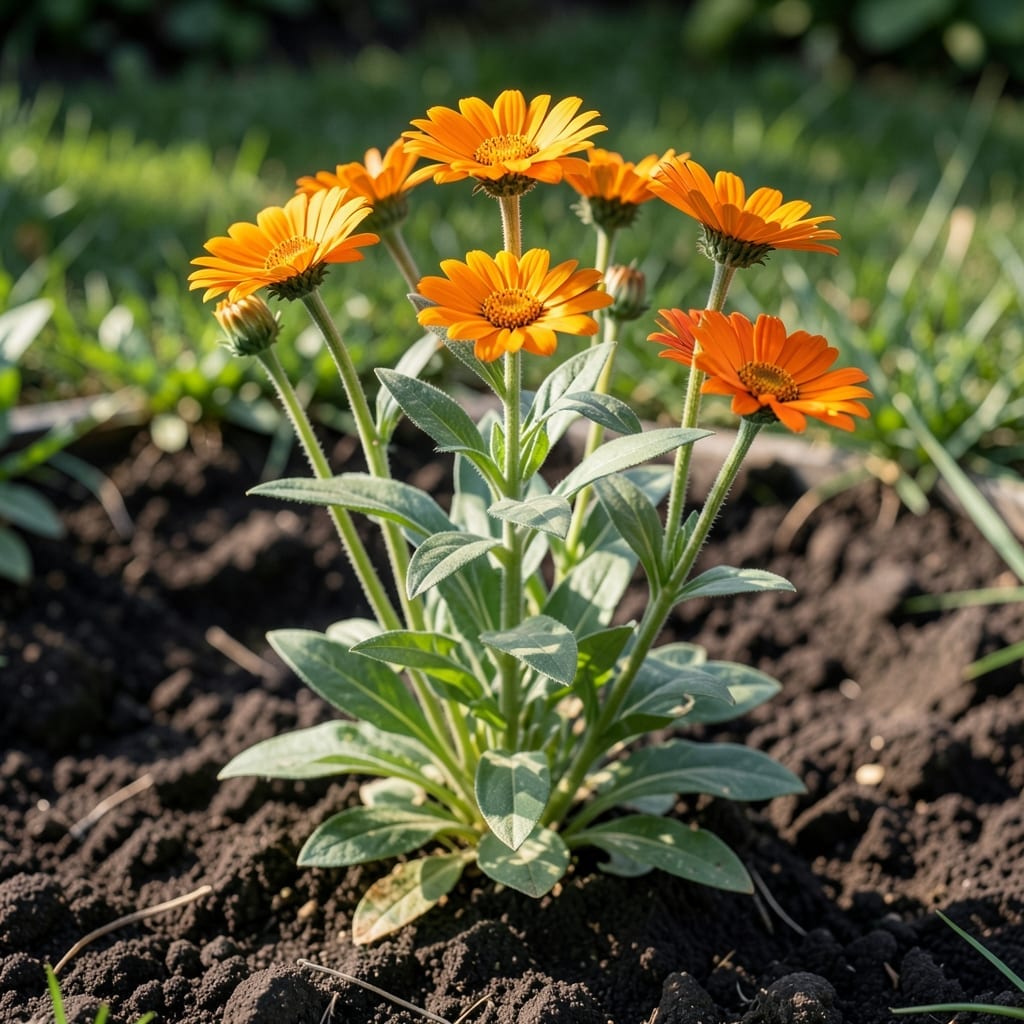
If you’re planning to add Calendula to your garden, knowing its mature size is the key to successful spacing and design. This cheerful flower brings vibrant color to borders, containers, or wild patches.
Typically, Calendula reaches 1-2 feet in height with a similar spread, though this can vary by cultivar. Understanding these dimensions ensures healthy growth and maximum visual impact.
I’ve seen how proper spacing transforms a garden from crowded to stunning. With the right knowledge, you can create the perfect layout for your Calendula to thrive.
Discover how to use this information to make your garden the envy of the neighborhood. Let’s get started.
As a gardener, I’ve found that standard calendula varieties typically reach a mature height of 12-24 inches with a spread of 12-18 inches. This makes them perfect for mid-border planting or container gardening on patios and balconies.
These dimensions can vary slightly depending on the cultivar you choose. For example, dwarf varieties like ‘Bon Bon’ stay compact at 12-15 inches tall, while taller types such as ‘Pacific Beauty’ can stretch up to 24 inches under ideal conditions.
| Variety | Height | Spread |
|---|---|---|
| Standard | 12-24 inches | 12-18 inches |
| Dwarf (Bon Bon) | 12-15 inches | 10-12 inches |
| Tall (Pacific Beauty) | 18-24 inches | 15-18 inches |
I’ve noticed that growing conditions play a huge role in determining final size. Full sun exposure (6+ hours daily) and well-draining soil encourage calendula to reach its maximum height and spread.
Conversely, partial shade or poor soil can result in stunted growth. In my experience, plants grown in containers tend to stay slightly smaller than those planted directly in garden beds.
For optimal growth, I recommend spacing standard varieties 12-18 inches apart. This gives each plant enough room to develop fully without competing for nutrients or sunlight.
If you’re working with dwarf calendulas, you can plant them 10-12 inches apart for a denser display. This works especially well in window boxes or small raised beds.
Remember that regular deadheading (removing spent blooms) not only encourages more flowers but can also promote bushier growth. I’ve seen my calendulas become noticeably fuller with this simple practice.
Watering consistently (about 1 inch per week) and providing a balanced fertilizer every 4-6 weeks can also help your calendulas achieve their full size potential.
In my garden, I’ve found that mulching around the base helps maintain soil moisture and temperature, which supports steady growth throughout the season.
Whether you’re growing calendula for its cheerful orange and yellow blooms or its medicinal properties, understanding its mature size helps you plan the perfect spot in your garden.
With proper care and the right conditions, your calendulas will reward you with vibrant color and healthy growth all season long 🌼
Managing calendula size starts with understanding its natural growth habit. Most varieties reach 12-24 inches tall with a 12-18 inch spread, but you can influence this through pruning and placement.
Pinching back young stems encourages bushier growth, while staking taller varieties prevents flopping. For containers, choose dwarf cultivars like ‘Bon Bon’ that stay compact.
For taller calendula, provide support with bamboo stakes or place them at the back of borders. This keeps your garden looking tidy while allowing the plants to reach their full height.
If you’re growing in containers, select pots that are at least 12 inches deep. This gives roots room to grow while limiting overall plant size. Dwarf varieties thrive in these conditions.
Prune leggy stems by cutting back by one-third to encourage fuller growth. Do this in early summer for best results, and always use clean, sharp shears to prevent damage.
Remember that soil fertility and sunlight exposure also impact size. Rich soil and full sun can produce larger plants, while lean soil may keep them smaller. 🌼