
Beautiful Plants For Your Interior
Beautiful Plants For Your Interior
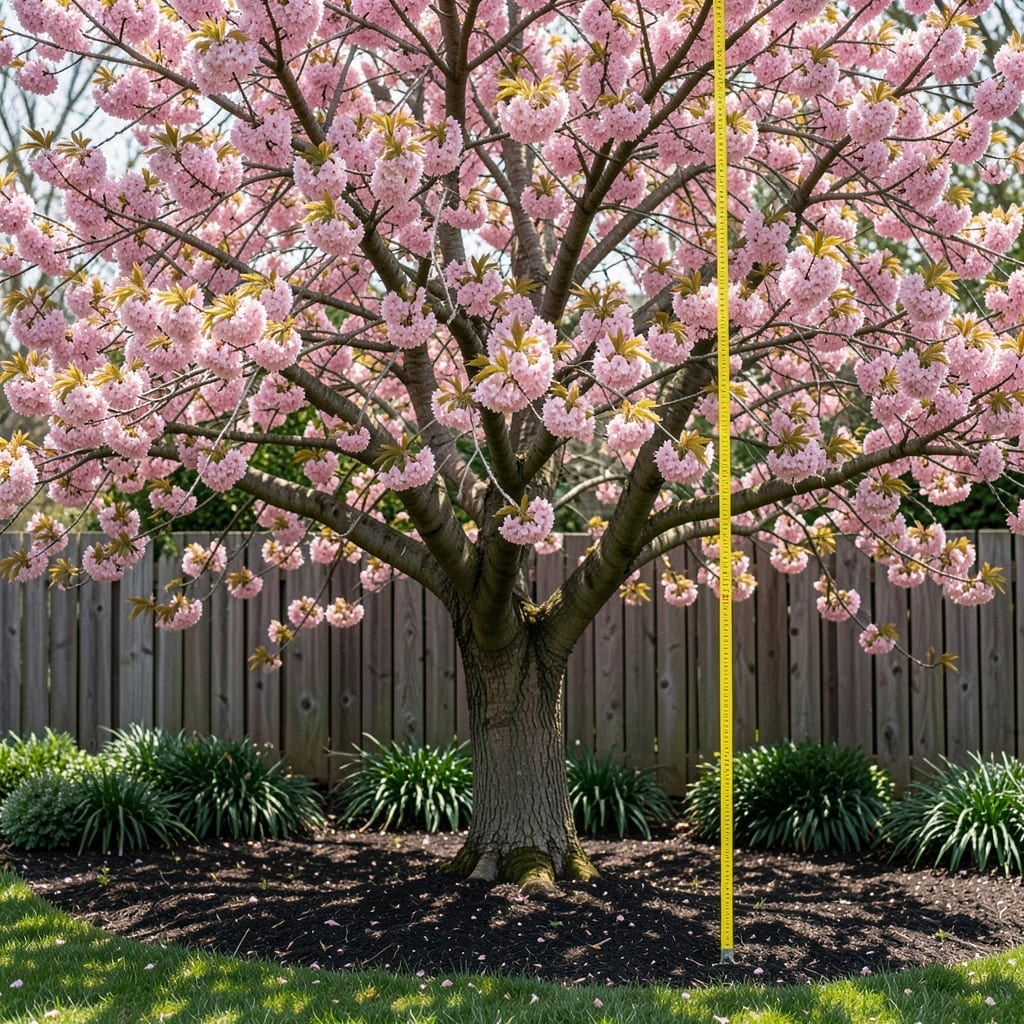
Picture this: your yard transformed by the delicate beauty of a Cherry Blossom Tree 🌸 in full bloom. But before you plant, there’s one question you need answered—how much space will it truly need?
These stunning trees can grow far larger than many gardeners expect. Without proper planning, you might find yourself with an overgrown centerpiece that disrupts your landscape.
I’ve seen firsthand how their mature size can surprise even experienced gardeners. The difference between a dwarf variety and a standard one can be 20 feet or more in height.
Discover the typical height and spread ranges for different cherry blossom varieties, plus the key factors that influence their growth. This knowledge could save you years of pruning headaches.


If you’re planting a cherry blossom tree, knowing its mature size is crucial for landscape planning. These trees can vary significantly, with some reaching 40 feet tall while others stay compact at 8-12 feet. 🌳
The most popular varieties, like Yoshino and Kwanzan, typically grow 20-30 feet tall with a 15-25 foot spread. Dwarf types, such as Hiromi, are perfect for smaller spaces. 🌸
| Variety | Mature Height | Canopy Spread |
|---|---|---|
| Yoshino | 20-30 ft | 15-25 ft |
| Kwanzan | 25-30 ft | 20-25 ft |
| Weeping Cherry | 15-25 ft | 10-20 ft |
| Dwarf (Hiromi) | 8-12 ft | 6-10 ft |
Climate and soil conditions play a big role in growth. In warmer zones (7-8), trees may grow taller faster. Poor soil or limited water can stunt development. I always recommend testing your soil before planting. ✂️
Standard varieties like Yoshino need 20-30 feet of vertical space. Their canopy spread can be nearly as wide, so plant them away from structures. I’ve seen too many gardeners underestimate this! 🌿
For smaller gardens, consider semi-dwarf varieties that top out at 12-20 feet. These still offer stunning blooms but fit better in residential landscapes. Pruning can help manage size, but choose the right variety first.
Weeping cherry trees have a unique growth habit. While their height may be 15-25 feet, their dramatic cascading branches can spread 10-20 feet wide. Perfect for focal points! 🌻
Remember that growth rates vary. Most cherry blossoms grow 1-2 feet per year once established. In ideal conditions, some may grow faster, especially when young. Regular fertilizing and proper watering help.
If space is limited, dwarf varieties like Hiromi stay under 12 feet. These are great for containers or small yards. Just ensure they get full sun and well-draining soil to thrive.
For the tallest varieties, like some wild cherry blossoms, you might see heights up to 40 feet. These are best for large properties or parks. Always check the mature size before planting! ☀️
Managing the size of a cherry blossom tree starts with understanding its natural growth habits. While some varieties reach 20-40 feet tall, others stay compact at 8-12 feet. I always recommend choosing the right variety for your space first.
For larger trees, annual pruning is key to controlling height and spread. Focus on removing dead or crossing branches and thinning the canopy to improve airflow and light penetration.
Container gardening works well for dwarf cherry blossom varieties. Use a large pot with good drainage and quality potting mix. Remember that container-grown trees will need more frequent watering than those in the ground.
Proper planting location also affects size. A tree planted in full sun with rich, well-draining soil will grow more vigorously than one in partial shade or poor soil.
For established trees, summer pruning can help control size by slowing new growth. Just be sure to sterilize your tools between cuts to prevent disease spread.
Finally, remember that over-pruning can stress the tree. I aim to remove no more than 25% of the canopy in any single year to maintain tree health while controlling size.
With these techniques, you can enjoy beautiful blooms without overwhelming your landscape
🌸