
Beautiful Plants For Your Interior
Beautiful Plants For Your Interior
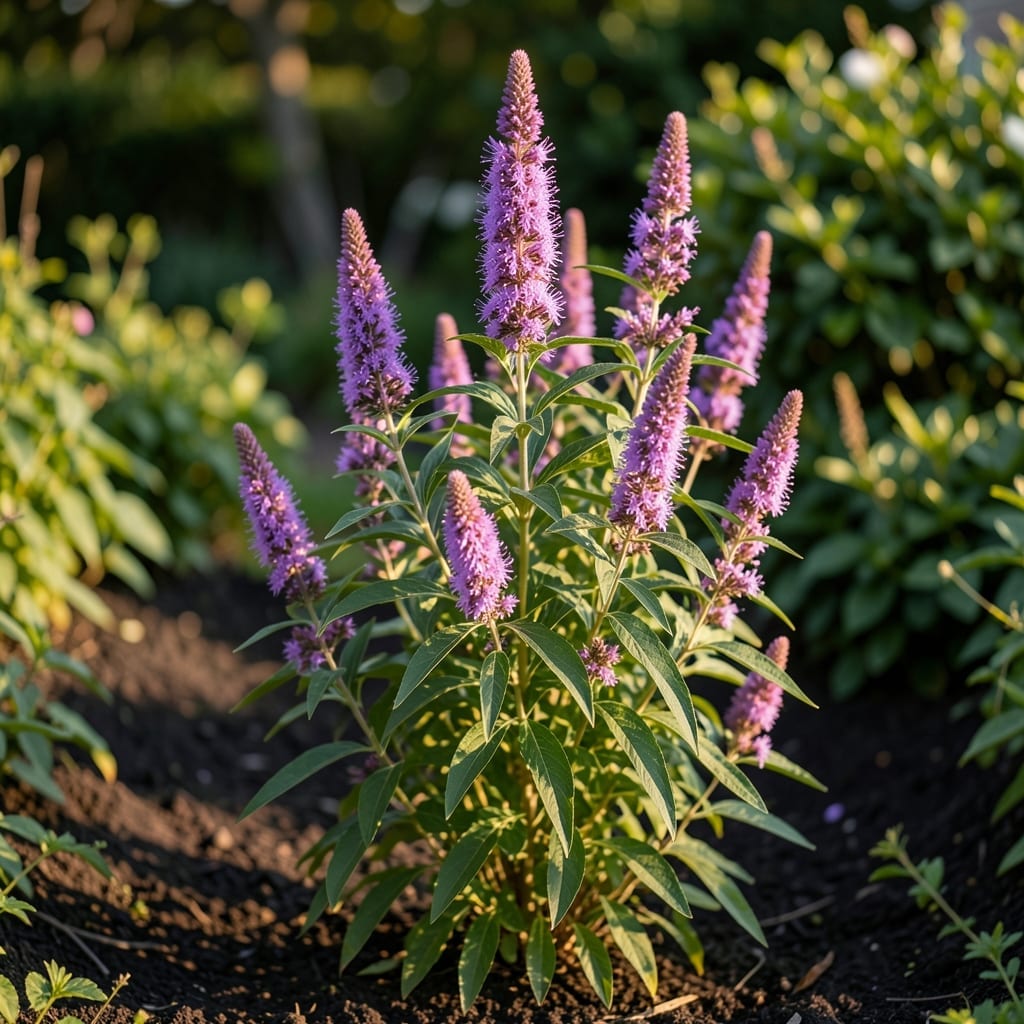
I still remember the first time I planted a 🦋 Butterfly Bush in my garden. Its rapid growth left me both amazed and slightly overwhelmed as it quickly became a centerpiece.
These vibrant shrubs can transform any landscape, but their size often catches gardeners off guard. Understanding their mature dimensions helps prevent overcrowding and ensures a thriving garden.
Discover how to plan for their impressive height and spread, so you can create the perfect space for these pollinator magnets to flourish.

Butterfly bushes, or Buddleia davidii, can grow surprisingly large, often catching gardeners off guard. Their mature size varies significantly by cultivar, with some reaching towering heights while others stay compact.
Standard varieties typically grow 8-12 feet tall with a 6-10 foot spread, creating a dramatic focal point. Dwarf types, however, max out at 3-5 feet in both height and width.
| Variety | Height Range | Spread Range |
|---|---|---|
| Dwarf (e.g., ‘Lo & Behold’) | 3-5 ft | 3-5 ft |
| Semi-Dwarf (e.g., ‘Buzz’) | 5-8 ft | 5-8 ft |
| Standard (e.g., ‘Black Knight’) | 8-12 ft | 6-10 ft |
I’ve found that semi-dwarf varieties like ‘Buzz’ offer a great middle ground, reaching 5-8 feet tall. These are perfect for gardeners who want impact without overwhelming their space.
The growth rate is another surprise—many butterfly bushes can gain 3-5 feet in a single season under ideal conditions. This rapid growth means they need regular pruning to maintain shape.
For small gardens, I recommend dwarf cultivars like ‘Lo & Behold’ or ‘Pugster’. These stay under 5 feet and work well in containers or tight spaces.
Standard varieties need plenty of room to shine. In my experience, they can quickly outgrow their space if planted too close to structures or other plants.
The spread is just as important as height. A mature butterfly bush can have a 6-10 foot diameter, so plan accordingly when positioning it in your landscape.
Remember that local climate and growing conditions affect size. In warmer zones (7-9), these shrubs may grow larger than in cooler areas (5-6).
Proper pruning can help control size. I prune mine back to 1-2 feet in early spring to encourage bushier growth and more blooms.
Whether you choose a compact dwarf or a tall standard, butterfly bushes will attract pollinators and add vibrant color to your garden for years to come. 🌿
Proper spacing is crucial when planting butterfly bushes to accommodate their mature size. I always recommend giving standard varieties at least 6-8 feet of space between plants to prevent overcrowding.
For dwarf varieties, a 3-4 foot spacing works well, while semi-dwarf types need about 5-6 feet. This ensures good air circulation and reduces disease risk.
I’ve learned that soil preparation makes a big difference. These shrubs thrive in loamy, well-draining soil but can adapt to various conditions if amended properly.
Sunlight requirements are non-negotiable. In my garden, butterfly bushes in partial shade grow taller but produce fewer blooms. Full sun yields the best flower production and compact growth.
When planting near structures, position them at least 4-5 feet away from foundations or fences. Their extensive root systems can cause damage over time if planted too close.
Companion planting works well with butterfly bushes. I pair mine with lavender or Russian sage for a pollinator-friendly border that also helps control their spread.
Remember that pruning affects spacing needs. Regular pruning keeps plants more compact, allowing you to plant them slightly closer together if space is limited. 🌱