
Beautiful Plants For Your Interior
Beautiful Plants For Your Interior
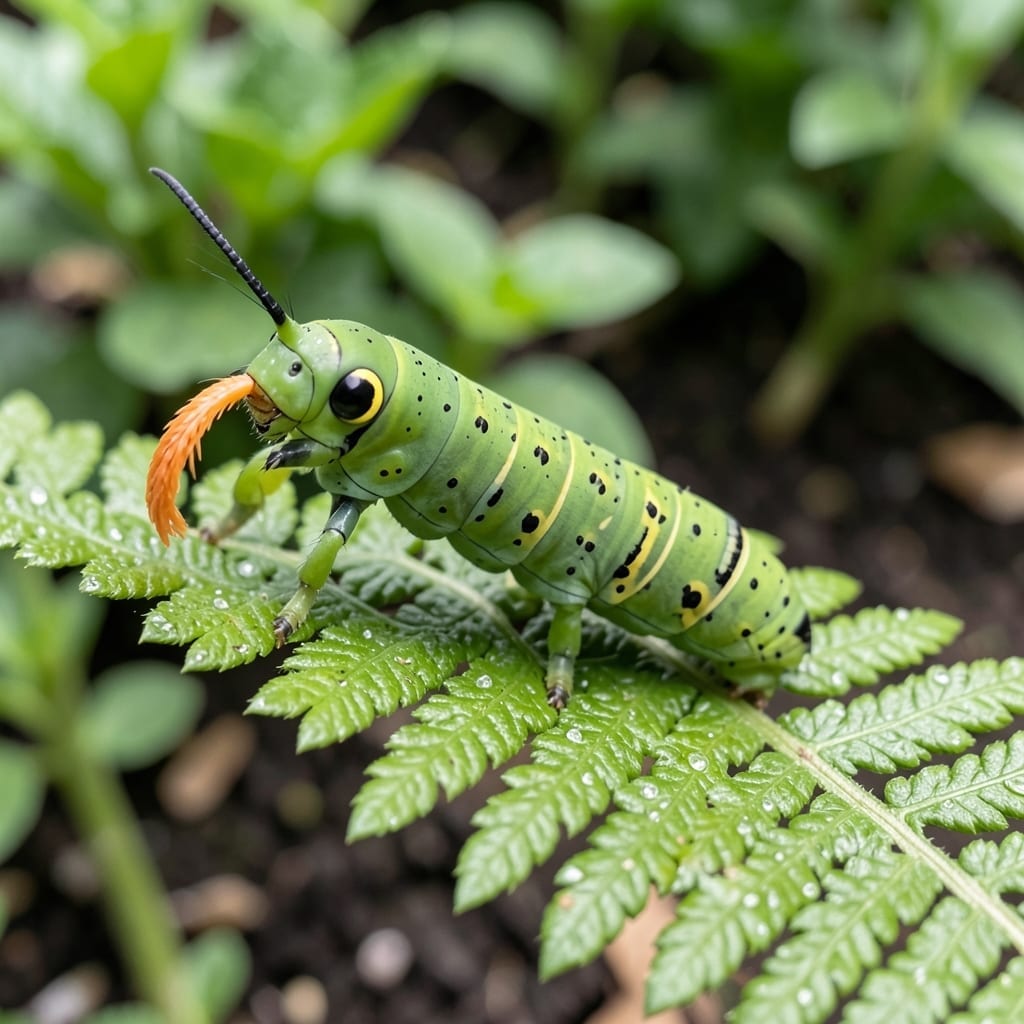
Watching a tiny swallowtail egg transform into a majestic butterfly is one of nature’s most fascinating processes. Size plays a crucial role in each stage of their development.
If you’ve spotted a striking caterpillar munching on your Swallowtail Butterfly Host Plants 🦋, you might be curious about its growth potential. These creatures undergo an incredible metamorphosis, and their size changes dramatically along the way.
From the moment they hatch, swallowtail caterpillars begin a rapid growth journey. Their size at each stage can tell you a lot about their health and progress toward becoming a butterfly.
Discover how to track their growth and what to expect as they prepare for their final transformation. It’s a process that’s as rewarding as it is educational for any gardener.
If you’ve spotted a swallowtail caterpillar in your garden, its size can tell you a lot about its development. These fascinating creatures go through five instars (growth stages) before pupation.
Each stage brings noticeable changes in length and width, with the final instar being the most impressive. Gardeners often wonder just how large these caterpillars can get before transforming.
| Development Stage | Size (Length) | Key Features |
|---|---|---|
| Egg | 1-1.5 mm | Tiny, round, yellow-green |
| 1st Instar | 5-8 mm | Black with white saddle |
| 2nd Instar | 10-15 mm | Orange horns, black bands |
| 3rd Instar | 20-25 mm | Bright green with stripes |
| 4th Instar | 30-35 mm | Yellow spots, bold patterns |
| 5th Instar | 45-55 mm | Full size, vivid colors |
By the final instar, most swallowtail caterpillars reach 1.8 to 2.2 inches in length. This is when they’re most noticeable in your garden, often found munching on host plants like parsley or dill.
The Eastern Black Swallowtail is a great example, with its 5th instar caterpillars growing up to 2 inches long. Their bright green bodies with black stripes and yellow spots make them easy to spot.
Western swallowtails may grow slightly larger, sometimes reaching 2.5 inches in ideal conditions. Their size depends heavily on the quality of their food source and environmental factors.
I’ve noticed that healthy caterpillars on well-maintained host plants tend to reach the upper end of their size range. This is a good sign for gardeners aiming to support pollinators.
Remember, these measurements are for the caterpillar stage only. Once they pupate, their transformation into butterflies begins, and size becomes less about length and more about wingspan.
If you’re growing host plants like fennel or carrot tops, keep an eye out for these large caterpillars. They’re a sign your garden is supporting local butterfly populations.
Watching them grow from tiny eggs to 2-inch caterpillars is one of the most rewarding parts of gardening for pollinators 🌿
A fully grown swallowtail caterpillar reaches about 2 inches long, roughly the size of a large finger. Their vibrant colors and distinct patterns become most pronounced at this stage.
Look for the iconic yellow and black stripes with blue and orange spots near the head. These markings help distinguish them from similar species like tomato hornworms.
🌱 Key Takeaway
A mature swallowtail caterpillar measures 1.5–2.2 inches and displays bold eye spots to deter predators. They often rest on host plant stems before pupation.
Behaviorally, a full-sized caterpillar will slow its eating and wander off its host plant to find a safe pupation site. This is a clear sign it’s reached maximum size.
Gardeners can support this stage by providing sheltered areas like dense foliage or even a butterfly house for protection from predators and harsh weather.
Remember, avoid handling them during this phase, as it can stress the caterpillar and disrupt its natural process. Observing from a distance is best.
By recognizing these visual and behavioral cues, you’ll know your swallowtail caterpillar is ready for its next incredible transformation into a butterfly 🌿