
Beautiful Plants For Your Interior
Beautiful Plants For Your Interior
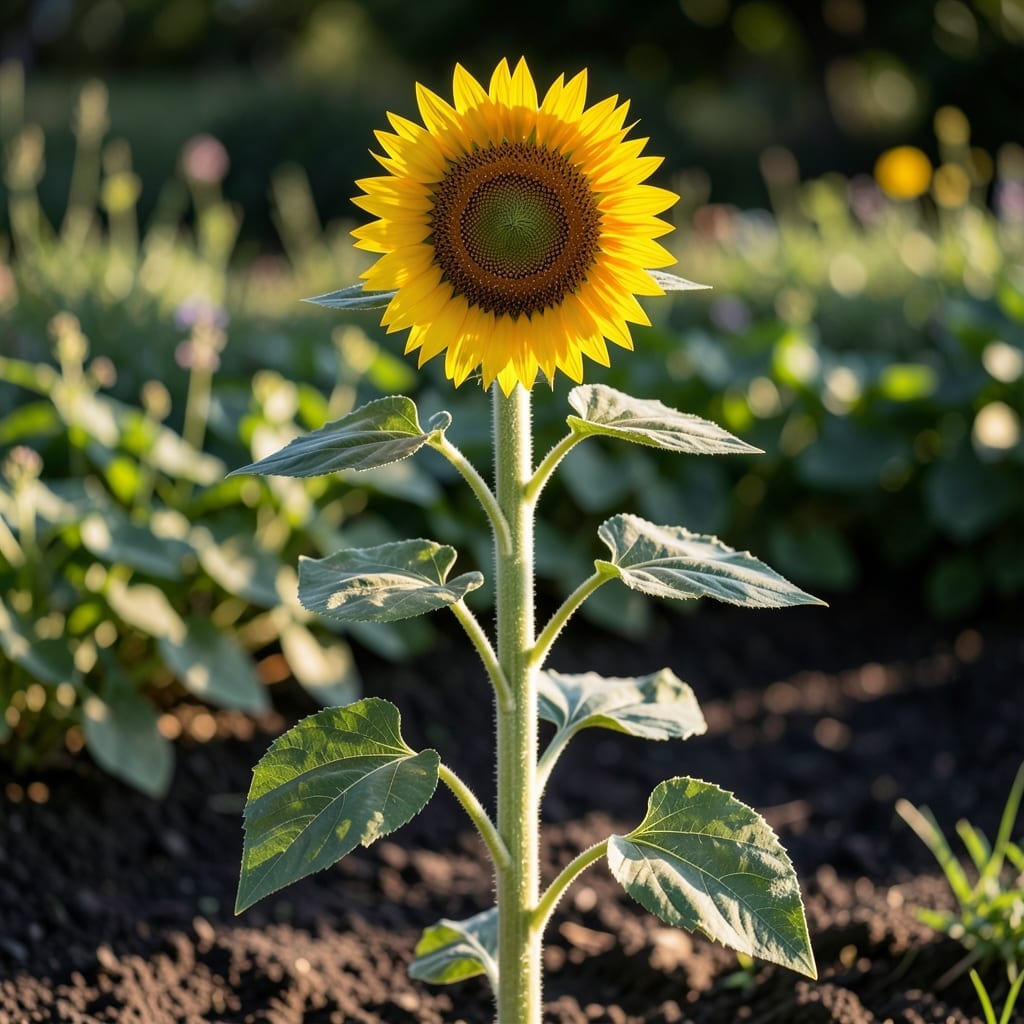
Sunflowers are iconic garden giants that can tower over fences or fit neatly in containers—it all depends on the variety. Their impressive height and vibrant blooms make them a favorite.
I’ve seen Sunflower 🌻 stalks reach from 2 feet to a staggering 12 feet, with some varieties spreading wide enough to create a bold statement in any landscape.
What determines their size? It’s not just genetics. Soil quality, sunlight, and proper spacing play huge roles in how tall and full your plants grow.
Discover how to cultivate these cheerful flowers to their full potential, whether you want a petite patio plant or a towering backyard centerpiece.
Sunflowers come in a surprising range of sizes, from tiny dwarf varieties to towering giant cultivars. The height and spread depend largely on the type you choose to grow.
I’ve experimented with many varieties, and their sizes can differ dramatically. Some stay compact, while others can reach heights that rival small trees.
| Variety | Height Range | Spread |
|---|---|---|
| Dwarf (e.g., ‘Teddy Bear’) | 2-4 ft | 1-2 ft |
| Semi-Dwarf (e.g., ‘Autumn Beauty’) | 4-6 ft | 2-3 ft |
| Standard (e.g., ‘Moulin Rouge’) | 6-10 ft | 2-4 ft |
| Giant (e.g., ‘Russian Giant’) | 10-12 ft | 3-5 ft |
Dwarf sunflowers like ‘Teddy Bear‘ are perfect for container gardening or small spaces. They typically reach 2-4 feet tall with a compact spread.
For a mid-range option, semi-dwarf varieties such as ‘Autumn Beauty‘ grow 4-6 feet tall. These are great for garden beds and borders.
Standard sunflowers, including the popular ‘Moulin Rouge’, usually reach 6-10 feet tall. They make a bold statement in any garden and are ideal for cut flowers.
Giant sunflowers like ‘Russian Giant’ can soar up to 12 feet tall. These varieties need plenty of space and sturdy support to prevent toppling.
Their spread can be just as impressive, often reaching 3-5 feet wide.
If you’re planting in containers, stick to dwarf varieties. For garden beds, standard and giant types can create a stunning vertical element.
Remember, these are typical ranges. With optimal soil conditions, full sun, and proper care, your sunflowers might exceed these measurements.
I’ve seen some Russian Giants push past 12 feet in ideal conditions.
Choosing the right variety for your space ensures healthy growth and a spectacular display. Whether you want a petite plant or a towering giant, there’s a sunflower for every garden.
Try planting a mix of sizes for a dynamic, multi-layered look in your landscape 🌻
I’ve found that sunflower size isn’t just about the variety—it’s deeply tied to how you care for them. Even the same cultivar can vary in height based on growing conditions and your attention to detail.
For example, Russian Giant can hit 12 feet in ideal soil, while the same seeds might only reach 8 feet in poor conditions. The difference often comes down to a few key factors.
Key Factors for Bigger Sunflowers
In my experience, sunlight is the most critical factor. Without at least 6 hours of direct sun, your sunflowers will grow taller but weaker as they stretch for light, often toppling over.
Soil quality also plays a huge role. I always amend my beds with compost before planting. This gives roots the nutrients they need to support a tall, sturdy stalk and large bloom.
Watering deeply but infrequently encourages strong root systems. I aim for 1-2 inches per week, adjusting for rainfall. Overwatering can lead to mold issues or weak growth.
Finally, spacing prevents competition. Crowded sunflowers will be stunted. For giant varieties, I plant seeds 24 inches apart. Dwarf types can thrive with just 12 inches between plants. ☀️