
Beautiful Plants For Your Interior
Beautiful Plants For Your Interior
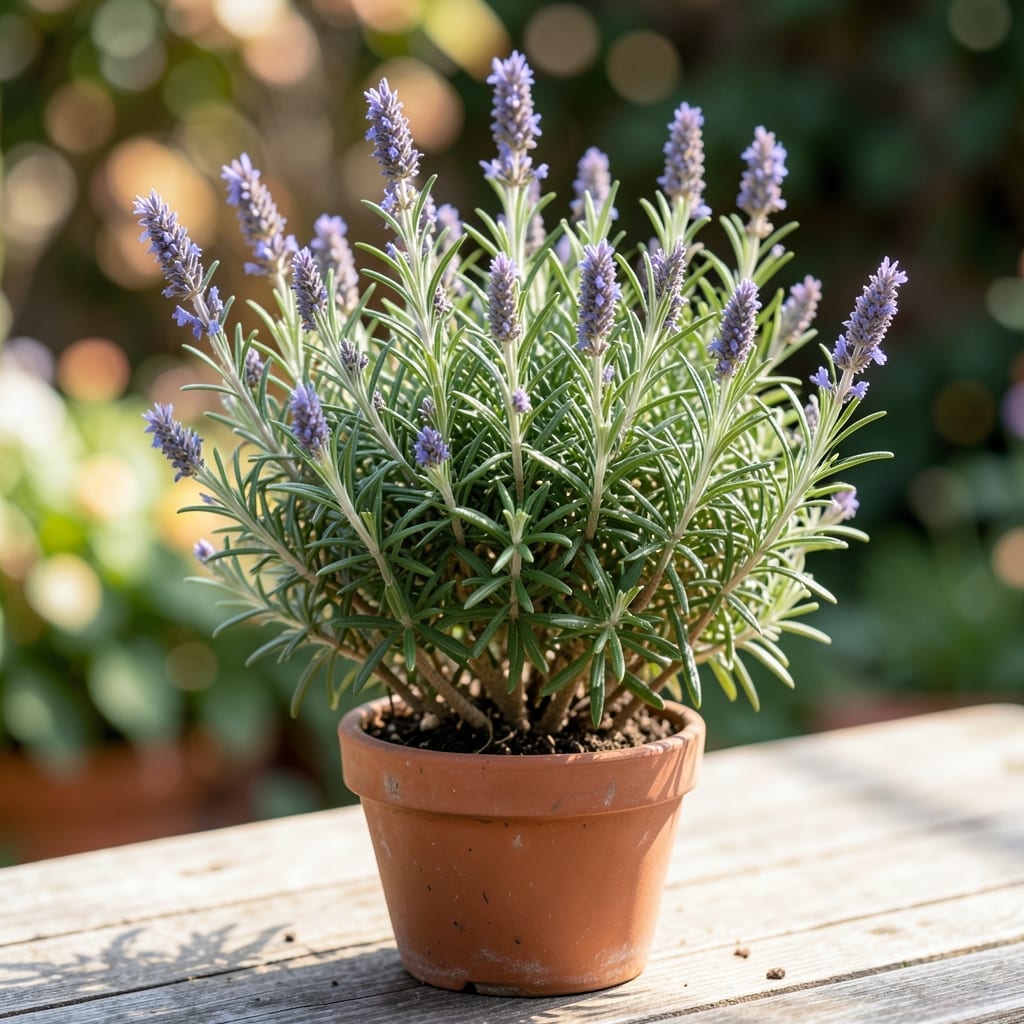
I still remember the first time I planted 🌿 Rosemary in my garden. That little sprig seemed so unassuming, but within a season it had transformed into a fragrant centerpiece. What surprised me most was how much space it actually needed.
These hardy herbs can grow far bigger than many gardeners expect. Without proper planning, they might outgrow their allotted space or struggle in cramped conditions. The difference between a stunted plant and a thriving one often comes down to understanding their potential size.
From dwarf varieties to towering bushes, rosemary’s dimensions vary dramatically. Whether you’re working with a spacious backyard or a modest balcony, knowing these details helps you create the ideal environment.
Let me walk you through what to expect and how to manage your rosemary’s growth for the best results. You’ll be amazed at how much difference a little knowledge can make.


If you’re planning to grow rosemary, knowing its mature size is key. Upright varieties like Rosmarinus officinalis typically reach 4-6 feet tall and 2-4 feet wide in ideal conditions. These are perfect for garden borders or focal points. 🌿
For smaller spaces, consider prostrate rosemary like ‘Prostratus’. This variety grows 1-2 feet tall but can spread 6-8 feet wide, making it excellent for ground cover or cascading over walls.
| Variety | Height | Width |
| Upright (Rosmarinus officinalis) | 4-6 ft | 2-4 ft |
| Prostrate (‘Prostratus’) | 1-2 ft | 6-8 ft |
| Dwarf (‘Blue Spires’) | 2-3 ft | 2-3 ft |
| Semi-Dwarf (‘Tuscan Blue’) | 3-5 ft | 3-4 ft |
Dwarf varieties like ‘Blue Spires’ are compact, growing just 2-3 feet tall and wide. These are ideal for containers or small garden beds where space is limited.
Semi-dwarf types, such as ‘Tuscan Blue’, offer a middle ground with a 3-5 feet height and 3-4 feet spread. They’re versatile for both landscape and container growing.
In warm climates like USDA zones 7-10, rosemary can grow even larger. With full sun and well-draining soil, some upright plants may exceed 6 feet tall over time.
For cold climates, rosemary often stays smaller due to shorter growing seasons. In these areas, expect 2-4 feet tall plants unless you provide winter protection or grow them in pots.
Pruning plays a significant role in controlling size. Regular light pruning keeps plants dense and manageable, while hard pruning can reduce height and spread if they outgrow their space. ✂️
Container-grown rosemary tends to stay smaller than in-ground plants. A large pot can support a 3-4 feet tall plant, but root restriction will naturally limit its ultimate size.
Remember, these sizes are for mature plants—rosemary grows slowly, often taking 2-3 years to reach its full potential. Patience and consistent care will reward you with a thriving, aromatic herb. 🌱
If you’ve ever wondered why your neighbor’s rosemary bush dwarfs yours, several key factors are at play. Sunlight exposure tops the list—these Mediterranean natives thrive with 6+ hours of direct sun daily. Less light often means stunted growth.
Soil conditions matter just as much. Well-draining soil prevents root rot and encourages robust development, while heavy clay can restrict growth significantly. I’ve seen plants struggle in compacted soil only to flourish after amending with sand.
Pruning practices dramatically affect size too. I prune mine every spring to maintain shape and promote new growth. Without this, plants can become leggy. The right cuts at the right time make all the difference.
Container vs. in-ground cultivation creates noticeable size differences. Potted rosemary typically stays smaller, often maxing out at 3-4 feet, while in-ground plants can reach 6 feet or more in ideal conditions.
Climate plays a crucial role as well. In warmer USDA zones (8-10), rosemary grows year-round and achieves maximum size. In cooler areas, it may stay smaller or need winter protection. I’ve noticed my plants grow more vigorously in years with mild winters.
Finally, variety selection determines your plant’s ultimate size. Some cultivars naturally stay compact, while others like Rosmarinus officinalis can become small trees. Always check the mature size before planting.
With these factors in mind, you can better predict and control your rosemary’s growth 🌿