
Beautiful Plants For Your Interior
Beautiful Plants For Your Interior
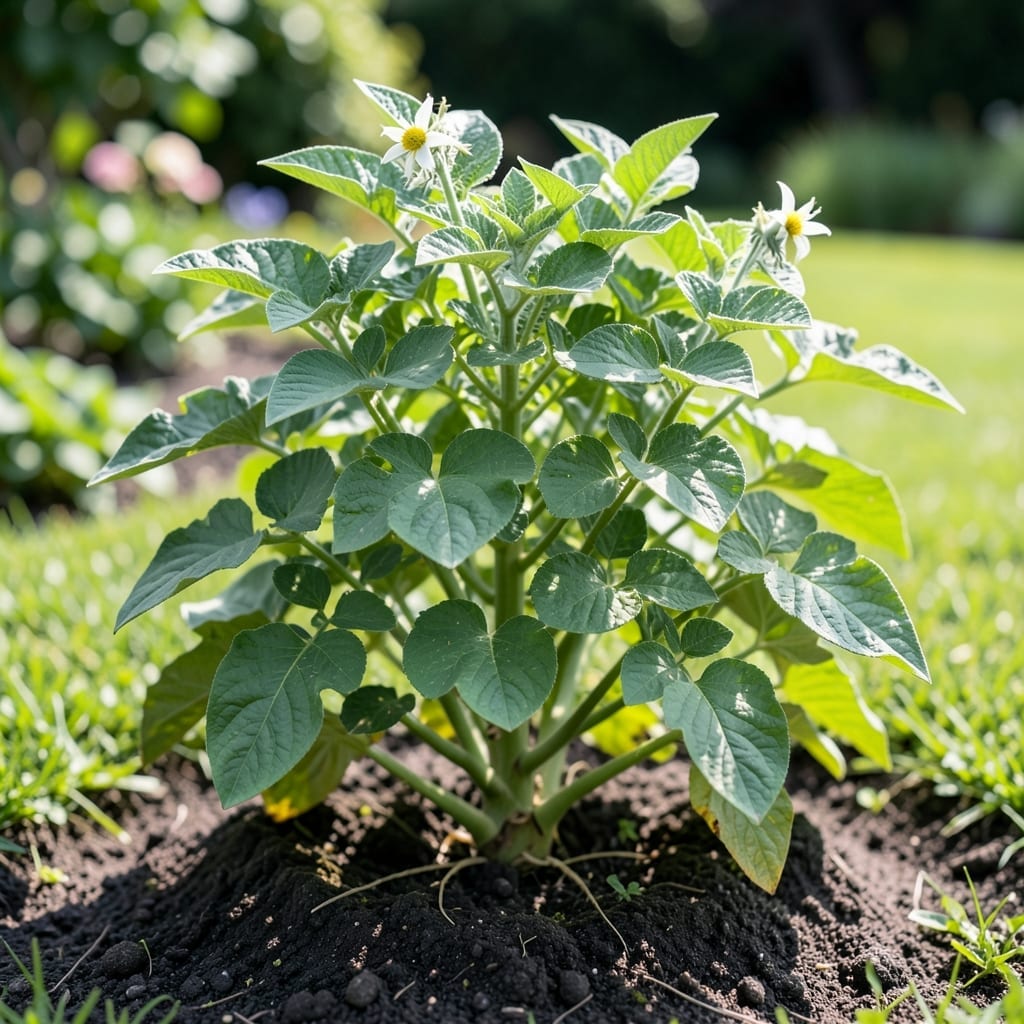
Potato plants may look modest above ground, but their size can surprise even experienced gardeners. The 🥔 you love to grow can reach 2-3 feet tall under the right conditions.
Understanding their growth patterns helps you plan spacing and support for a bountiful yield. I’ve seen firsthand how proper care transforms these plants from small sprouts to impressive specimens.
Whether you’re a beginner or a seasoned gardener, knowing what to expect from your potato plants is the key to success. Their size directly impacts your harvest, so getting it right matters.
Let me show you exactly how big they can get and what factors influence their growth. You’ll be amazed at how much these humble plants can achieve.
Potato plants may look small at first, but they can grow surprisingly tall. Most varieties reach 2 to 3 feet in height, with some climbing to 36 inches under ideal conditions. Their bushy foliage spreads 12 to 24 inches wide, creating a lush green canopy.
The size of your potato plants depends heavily on the variety you choose. Russet potatoes tend to be the tallest, often hitting the 3-foot mark, while fingerling types stay more compact at 12 to 18 inches. This variation helps you plan your garden layout effectively.
| Variety | Height Range | Spread Range |
|---|---|---|
| Russet | 30-36 inches | 18-24 inches |
| Red Pontiac | 24-30 inches | 15-20 inches |
| Yukon Gold | 24-30 inches | 15-18 inches |
| Fingerling | 12-18 inches | 12-15 inches |
I’ve found that soil quality plays a huge role in plant size. Rich, well-draining soil encourages taller, healthier plants. If your soil is poor, consider amending it with compost or aged manure before planting to give your potatoes the best start.
Sunlight exposure is another key factor. Potatoes thrive in full sun, meaning at least 6 to 8 hours of direct sunlight daily. Plants grown in partial shade may stay smaller, with stunted growth and fewer tubers underneath.
Watering habits also influence how big your potato plants get. Consistent moisture is crucial, especially during the early growth stages. I aim for 1 to 2 inches of water per week, either from rainfall or irrigation, to keep plants on track for maximum size.
Spacing your plants properly ensures they have room to reach their full potential. I recommend planting seed potatoes about 12 inches apart in rows that are 30 to 36 inches apart. This gives the foliage enough space to spread without competing for light or nutrients.
If you’re growing potatoes in containers, size can be more limited. Even so, with a large enough pot (at least 5 gallons), you can still achieve impressive heights. Just be sure to hill the soil as the plants grow to encourage more tuber production.
Remember, the size of the plant above ground doesn’t always correlate directly with the size of the tubers below. Some compact varieties produce large potatoes, while tall plants might yield smaller spuds. It’s all about finding the right balance for your garden goals.
In my experience, regular feeding with a balanced fertilizer can boost both plant size and yield. A 5-10-10 formula works well, applied every 4 to 6 weeks during the growing season.
I’ve found that potato plant size varies dramatically based on growing conditions. With full sun and rich soil, my plants often reach 3 feet tall, while shaded or crowded plants stay stunted around 12 inches. Proper care makes all the difference.
Watering consistency is another key factor. 1-2 inches weekly keeps foliage lush and stems sturdy. Too little water stresses plants, while too much can rot tubers before they size up. Morning watering prevents fungal issues that limit growth.
In my experience, soil quality directly impacts both height and spread. Sandy loam allows tubers to expand, while clay can restrict growth. I always amend beds with compost before planting for best results.
Plant spacing affects air circulation and root room. I plant seed potatoes 12 inches apart in rows 30 inches apart. This gives each plant enough space to reach its full 2-3 foot potential without crowding neighbors.
Don’t overlook temperature either. Potatoes grow best in 60-70°F soil. In hotter climates, I use mulch to keep roots cool, which helps maintain steady growth rather than early bolting.
Finally, remember that variety matters. While most reach 2-3 feet, some heirloom types can grow taller. I track growth weekly to adjust care and ensure my plants hit their maximum size each season. ✂️