
Beautiful Plants For Your Interior
Beautiful Plants For Your Interior
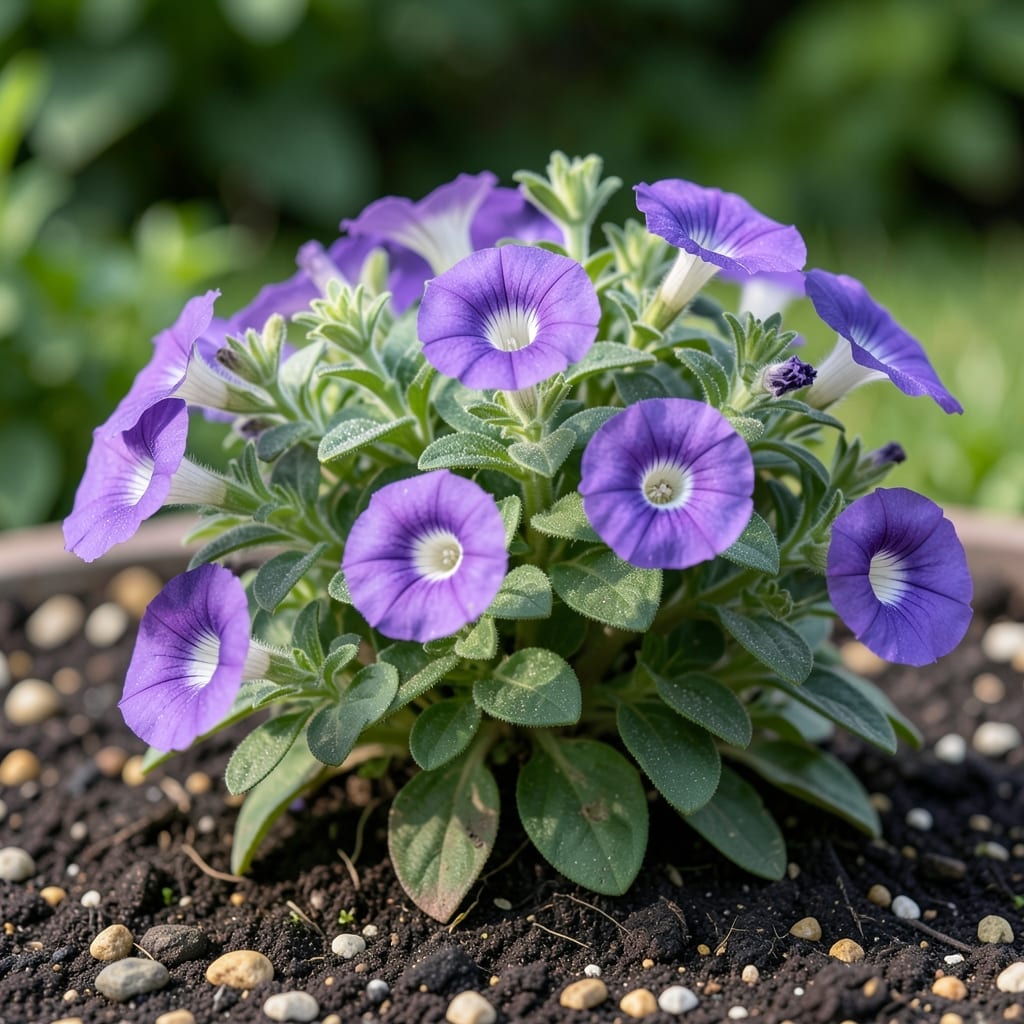
Nothing transforms a garden quite like the vibrant splash of Petunia 🌸 blooms. But before you plant, it’s essential to know how much space these beauties will claim.
From compact patio varieties to sprawling garden stars, their mature size varies more than you might expect. Getting this right means the difference between a crowded mess and a stunning display.
I’ll break down the typical growth ranges for different petunia types, so you can plan with confidence. Whether in beds or containers, proper spacing is the secret to healthy, flourishing plants.
Discover how to give your petunias exactly what they need to reach their full potential. Your garden will thank you.


When planning your garden, knowing the mature size of each petunia variety is crucial. These popular flowers vary significantly in height and spread, so choosing the right type for your space ensures a thriving display.
The most common types—grandiflora, multiflora, and spreading petunias—each have distinct growth habits. I’ll break down their typical ranges so you can plant with precision and confidence.
| Variety | Height Range | Spread Range |
|---|---|---|
| Grandiflora | 12-18 inches | 12-24 inches |
| Multiflora | 6-12 inches | 12-18 inches |
| Milliflora | 6-10 inches | 10-14 inches |
| Spreading/Wave | 4-6 inches | 3-4 feet |
Grandiflora petunias are the tallest, reaching 12-18 inches in height with a similar spread. They produce large, showy blooms but may need staking in windy areas to prevent flopping.
Multiflora petunias stay more compact at 6-12 inches tall but can spread 12-18 inches wide. These are ideal for borders and containers, offering abundant smaller flowers that thrive in various conditions.
Milliflora varieties are the smallest, maxing out at about 6-10 inches tall and 10-14 inches wide. Their tiny, prolific blooms make them perfect for edging or hanging baskets where space is limited.
Spreading or Wave petunias are the ground-cover champions. They stay low at 4-6 inches tall but can spread an impressive 3-4 feet wide, creating a carpet of color in beds or cascading over container edges.
I’ve found that Wave petunias are especially vigorous, often exceeding their listed spread in optimal conditions. If you want quick coverage, these are my top recommendation for filling large spaces fast.
For container gardening, multiflora and milliflora types work beautifully. Their compact size allows for multiple plants in a single pot, while their prolific blooming ensures a constant burst of color throughout the season.
Remember, these sizes are averages. With ideal care—plenty of sunlight, consistent watering, and regular fertilizing—your petunias may grow slightly larger than expected. Conversely, poor conditions can stunt their growth.
Always check the specific cultivar details, as some modern hybrids push these ranges even further. A little research goes a long way in achieving the perfect petunia display in your garden.
Proper spacing is crucial for healthy petunias. In garden beds, I recommend 12 to 18 inches between plants for most varieties. This allows for good air circulation and reduces disease risk while maximizing bloom production.
For spreading petunias like Wave or Easy Wave, give them 24 to 36 inches of space. These vigorous growers will fill in beautifully with room to stretch. In containers, closer spacing works, but avoid overcrowding.
In containers, 6 to 8 inches between plants usually works well. Remember, petunias in pots need more frequent watering. I’ve found that hanging baskets with Wave petunias thrive with just 4-6 inches between plants.
Good spacing improves air circulation and reduces fungal diseases. It also ensures each plant gets enough light and nutrients. I always see better bloom production with proper spacing.
For raised beds, you can plant a bit closer since the soil drains better. But don’t overdo it – crowded petunias will struggle to reach their full size and may produce fewer flowers.
Remember, these are guidelines. Your specific conditions, like soil fertility and sunlight, may affect growth. I always adjust based on how my plants respond to their environment.
With the right spacing, your petunias will reward you with lush growth and abundant blooms all season long 🌸