
Beautiful Plants For Your Interior
Beautiful Plants For Your Interior
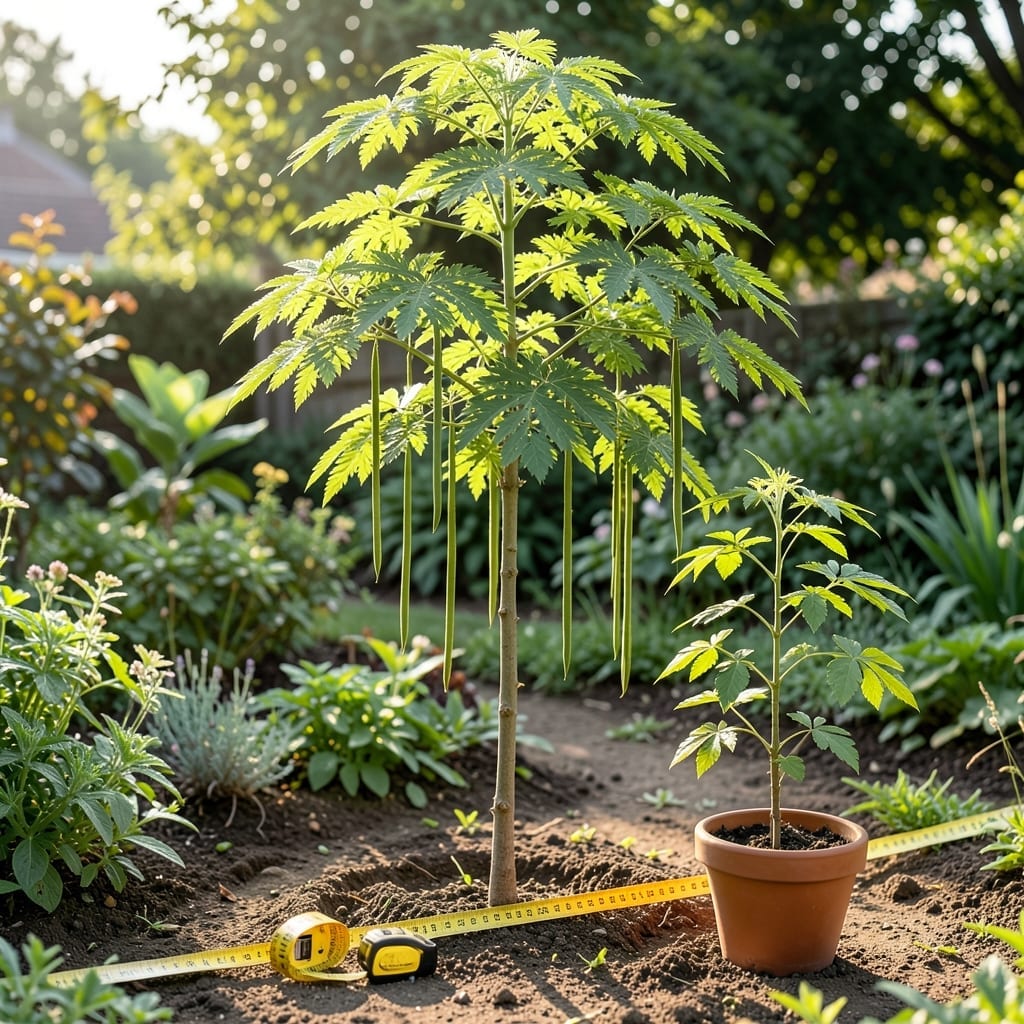
Moringa trees are often called the miracle tree for their rapid growth and nutritional benefits, but just how large can they become in your garden or landscape?
I was amazed to discover that these trees can reach impressive heights under the right conditions. Whether you’re planting in zones 9-11 or just curious about their potential, understanding their mature size is key to planning your space.
The 🌳 Moringa Tree doesn’t just grow tall—it can transform your outdoor area with its substantial presence. From dwarf varieties to towering specimens, there’s a size to fit nearly every need.
Let me walk you through what to expect and how to manage their growth for your specific situation. You might be surprised by just how adaptable these trees can be.
If you’re considering adding a moringa tree to your landscape, knowing its potential size is crucial for planning. These fast-growing trees can vary significantly depending on the variety and growing conditions.
The most common standard moringa (Moringa oleifera) typically reaches 20-40 feet tall with a canopy spread of 15-25 feet at maturity. That’s taller than a two-story house!
In ideal conditions, standard moringa can grow 10-15 feet per year during its first few years. By year three, it often reaches 15-20 feet, making it a fast way to add shade.
Semi-dwarf varieties stay more manageable at 12-20 feet tall, perfect for smaller yards. Their canopy spread of 10-15 feet still provides ample shade without overwhelming the space.
For container gardening or tiny spaces, dwarf moringa is your best bet. These compact trees max out at 8-12 feet tall with a 6-10 foot spread, making them ideal for patios or balconies.
I’ve found that pruning plays a huge role in controlling size. Regular trimming can keep even standard varieties at a more manageable 15-20 feet if that’s your preference.
Remember that soil quality and water availability affect growth rates. In poor soil, your moringa might stay on the smaller end of its range. Full sun exposure is also crucial for maximum size.
In tropical climates, moringa trees may grow year-round, potentially exceeding the typical size range. In cooler zones (USDA 9-11), they might stay slightly smaller due to seasonal dormancy.
For home gardeners, I recommend starting with a dwarf or semi-dwarf if space is limited. You’ll still get all the benefits of moringa – the nutritious leaves, pods, and flowers – in a more manageable package.
No matter the variety, moringa’s rapid growth means you’ll see significant changes in just one growing season. It’s truly remarkable how quickly these trees establish themselves in the landscape 🌳
Several key elements determine how big your moringa tree will get. From my experience, climate plays the biggest role—these trees thrive in USDA zones 9-11 where they can reach their full potential.
Soil quality and drainage also make a huge difference. Moringa prefers well-draining, slightly sandy soil to prevent root rot while supporting rapid growth.
Water availability is another critical factor. While moringa is drought-tolerant, consistent watering during the growing season encourages faster and taller growth.
I’ve found that pruning practices can dramatically alter your tree’s size. Regular pruning keeps moringa at a manageable height while encouraging bushier growth.
Whether you plant in containers or directly in the ground affects size too. Container-grown moringa typically stays under 8-12 feet, while in-ground trees can soar.
Finally, don’t underestimate the power of sunlight. Moringa needs 6+ hours of direct sun daily to reach its maximum potential height and spread. ☀️