
Beautiful Plants For Your Interior
Beautiful Plants For Your Interior
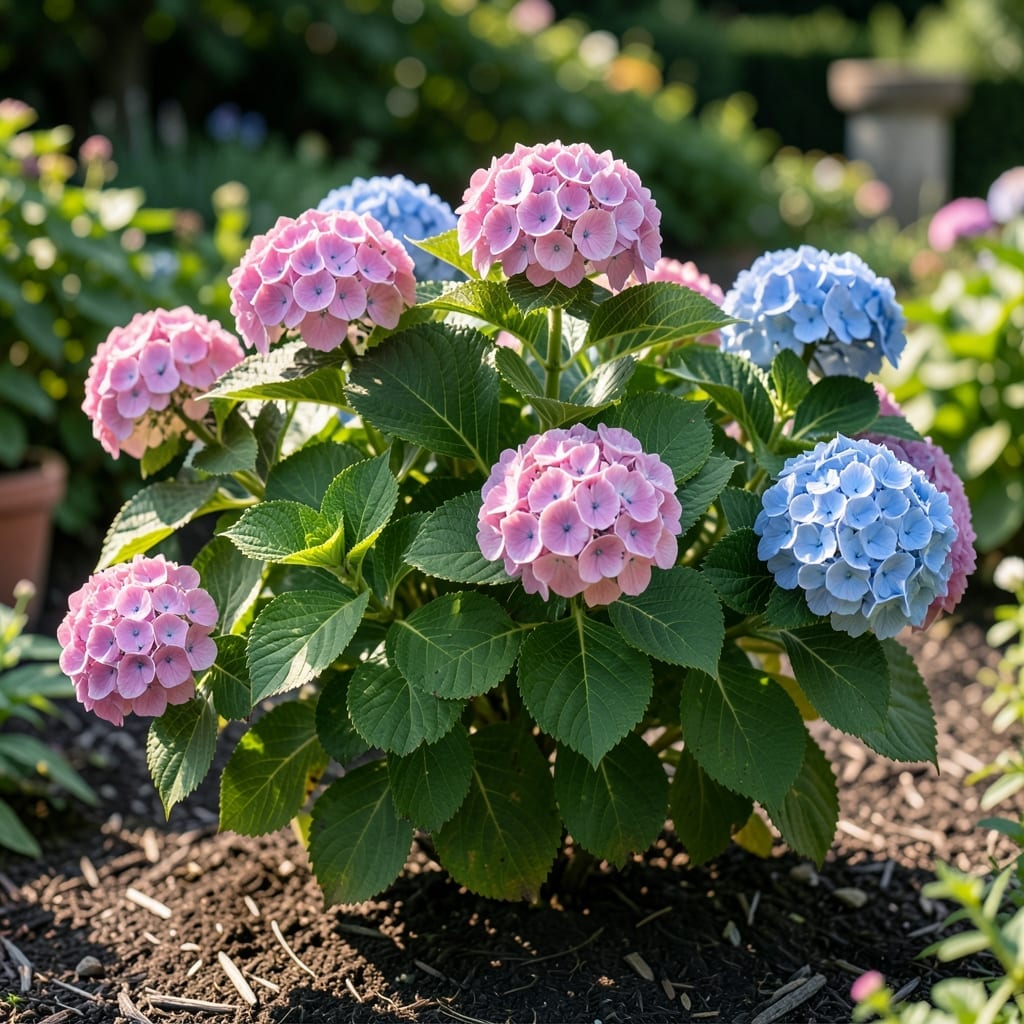
I remember the first time I planted a 🌸 Hydrangea, I had no idea it would eventually stretch 8 feet tall. These stunning shrubs can surprise you with their growth potential.
Depending on the variety, your Hydrangea might stay compact at 3 feet or spread wide like a full-grown tree. The difference often comes down to the type you choose and how you care for it.
Discover what to expect from your Hydrangea’s mature size and how to shape its growth to fit your garden perfectly.
When I first planted bigleaf hydrangeas, I was surprised to see them reach 3-6 feet tall with a similar spread. These are the classic hydrangeas many gardeners know and love for their large, colorful blooms.
The panicle hydrangeas are the giants of the group, often soaring to 6-8 feet tall with a 4-6 foot spread. They’re perfect for creating a dramatic backdrop in your garden.
| Variety | Height | Width |
|---|---|---|
| Bigleaf | 3-6 ft | 3-6 ft |
| Panicle | 6-8 ft | 4-6 ft |
| Oakleaf | 4-6 ft | 4-6 ft |
| Smooth | 3-5 ft | 3-5 ft |
| Climbing | 30-80 ft | 8-10 ft |
Oakleaf hydrangeas typically grow 4-6 feet tall and wide, offering a balanced, rounded shape. Their unique, lobed leaves add year-round interest to any garden.
Smooth hydrangeas are more compact, usually staying between 3-5 feet in both height and width. They’re ideal for smaller spaces or container gardening.
For vertical interest, climbing hydrangeas can reach 30-80 feet when given a sturdy support structure. They’re perfect for trellises or walls but need strong pruning to manage their size.
I’ve found that dwarf varieties, like ‘Little Lime,’ stay small at just 3-4 feet tall and wide. These are great for patios or small garden beds where space is limited.
If you want a medium-sized option, ‘Endless Summer’ hydrangeas grow about 4-5 feet tall and wide. They’re versatile and bloom repeatedly throughout the season.
Remember, these sizes are averages. Your hydrangea’s growth can vary based on soil conditions, sunlight, and pruning practices. Always check the specific variety’s tag for the most accurate size estimates.
In my experience, giving hydrangeas room to grow prevents overcrowding and ensures healthier plants with more abundant blooms. 🌸
I’ve learned that soil quality plays a huge role in how big hydrangeas get. Rich, well-draining soil with plenty of organic matter encourages healthy root development and vigorous growth.
Sunlight exposure is another key factor. While most hydrangeas thrive in partial shade, some varieties like panicle hydrangeas can handle full sun and may grow taller as a result.
Watering practices also impact size. Hydrangeas need consistent moisture, especially during dry spells. I’ve seen under-watered plants stay stunted, while properly hydrated ones reach their full potential.
Pruning techniques can control size dramatically. Regular pruning keeps hydrangeas compact, while minimal pruning allows them to grow larger. Always prune at the right time for your variety to avoid cutting off next year’s blooms.
Climate conditions set the baseline for growth. In warmer zones, hydrangeas often grow larger than in cooler areas. I’ve noticed my hydrangeas in USDA zone 7 grow faster than those in zone 5.
Finally, variety selection is the most predictable factor. Dwarf varieties stay small regardless of care, while vigorous types will always grow larger if conditions are right. Always match the variety to your space. 🌸