
Beautiful Plants For Your Interior
Beautiful Plants For Your Interior
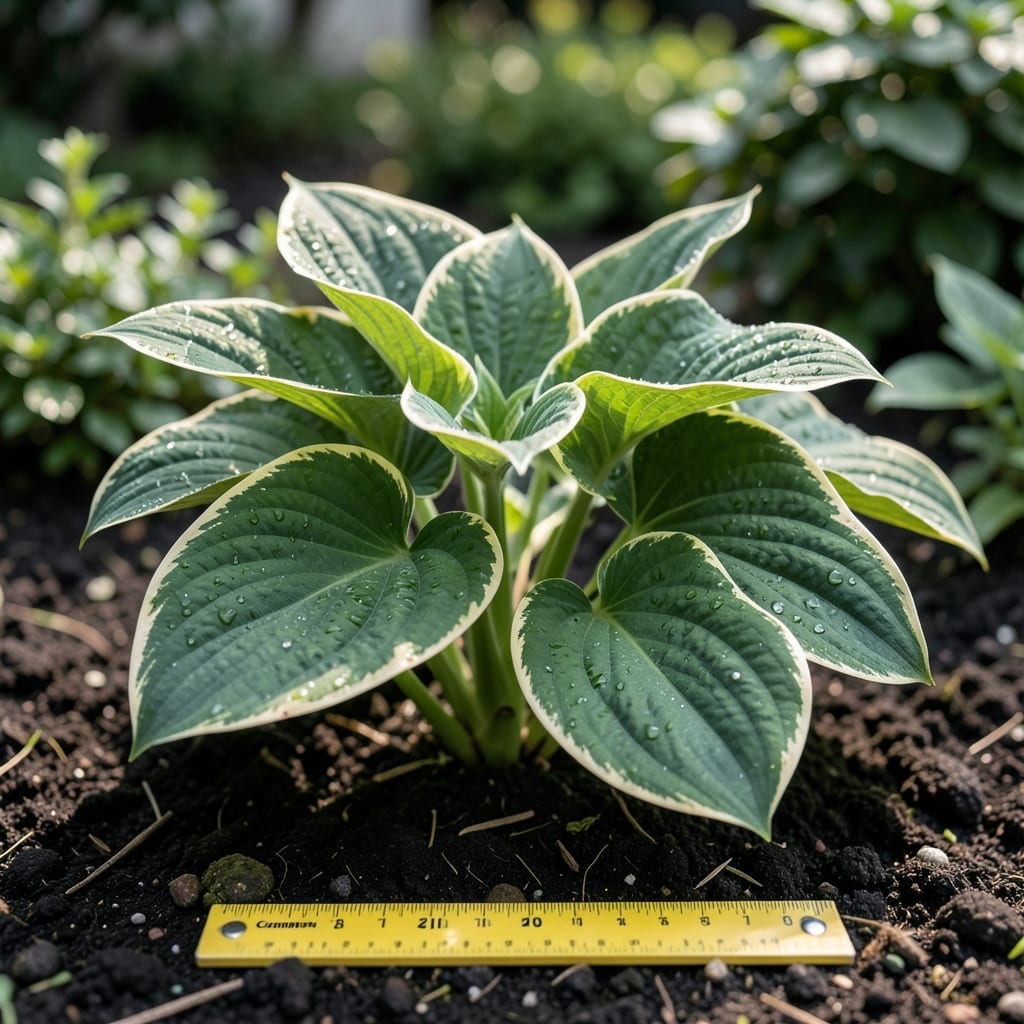
Hostas are beloved for their lush foliage and low-maintenance nature, but their size can vary dramatically. From tiny 6-inch dwarf varieties to towering 4-foot giants, the 🌿 Hosta offers a range for every garden.
Understanding their growth potential helps you plan the perfect garden layout. Whether you’re working with a small patio or a sprawling backyard, there’s a size to fit your space.
I’ve seen firsthand how these plants can transform a garden. Their versatility makes them a favorite among both beginners and seasoned green thumbs.
Discover how to choose the right variety and create the lush, layered look you’ve always wanted. Let’s explore what makes these plants so special.


If you’re planning a hosta garden, knowing the size categories is essential. These plants range from miniature varieties under 6 inches tall to giant types reaching 4 feet or more. Each size offers unique design possibilities.
For example, dwarf hostas like ‘Blue Mouse Ears’ stay compact, perfect for container gardens or border edges. Meanwhile, ‘Empress Wu’ can dominate a shade garden with its massive leaves.
| Category | Height Range | Spread Range | Example Varieties |
|---|---|---|---|
| Dwarf | 6-12 inches | 12-18 inches | ‘Blue Mouse Ears’, ‘Baby Bunting’ |
| Small | 1-2 feet | 2-3 feet | ‘Francee’, ‘Patriot’ |
| Medium | 2-3 feet | 3-4 feet | ‘Halcyon’, ‘June’ |
| Large | 3-4 feet | 4-5 feet | ‘Sagae’, ‘Krossa Regal’ |
| Giant | 4+ feet | 5+ feet | ‘Empress Wu’, ‘Sum and Substance’ |
I always recommend spacing hostas according to their mature size. Dwarf varieties need just 12-18 inches of space, while giant hostas require 5-6 feet to spread fully. This prevents overcrowding and ensures healthy growth.
Medium hostas like ‘Halcyon’ are my go-to for versatile landscaping. They fit well in mixed borders or as focal points in shade gardens. Their 2-3 foot height makes them easy to pair with other perennials.
For small gardens or containers, small hostas under 2 feet tall work beautifully. Try ‘Francee’ for its variegated leaves and compact habit. It thrives in partial shade and adds bright contrast to darker foliage.
Large and giant hostas create a tropical feel in the garden. ‘Sum and Substance’, for example, can reach 4 feet tall with golden-yellow leaves that brighten up shady areas. Just ensure they have enough room to grow.
Remember, hosta size can vary based on growing conditions. In ideal soil with consistent moisture, they’ll reach their full potential. If you’re unsure, check the plant tag or nursery info for specifics.
I’ve found that grouping hostas by size creates a balanced look. Place taller varieties in the back and smaller ones in the front for a layered effect. This works especially well in shade borders or woodland gardens.
No matter the size, hostas add texture and color to any garden. With so many size options, you can always find the perfect fit for your space 🌿
If you’ve ever wondered why your hostas aren’t reaching their expected mature size, several key factors come into play. From my experience, sunlight exposure is one of the biggest influencers.
While hostas thrive in partial shade, too much sun can scorch their leaves, while too little can stunt growth. I’ve found that 4-6 hours of morning light strikes the perfect balance.
Another critical factor is soil quality. Hostas love organic-rich soil that drains well. I always amend my beds with compost before planting, which gives them a nutrient boost.
Watering habits also play a major role. These plants prefer consistent moisture but hate soggy roots. I water deeply once a week, adjusting for rain.
Don’t overlook the genetics of your specific variety. A dwarf hosta will never grow as large as a giant variety, no matter how perfect the conditions.
Finally, give them space to thrive. Crowding plants leads to competition for resources. I recommend 18-24 inches between medium varieties for optimal growth. 🌿