
Beautiful Plants For Your Interior
Beautiful Plants For Your Interior
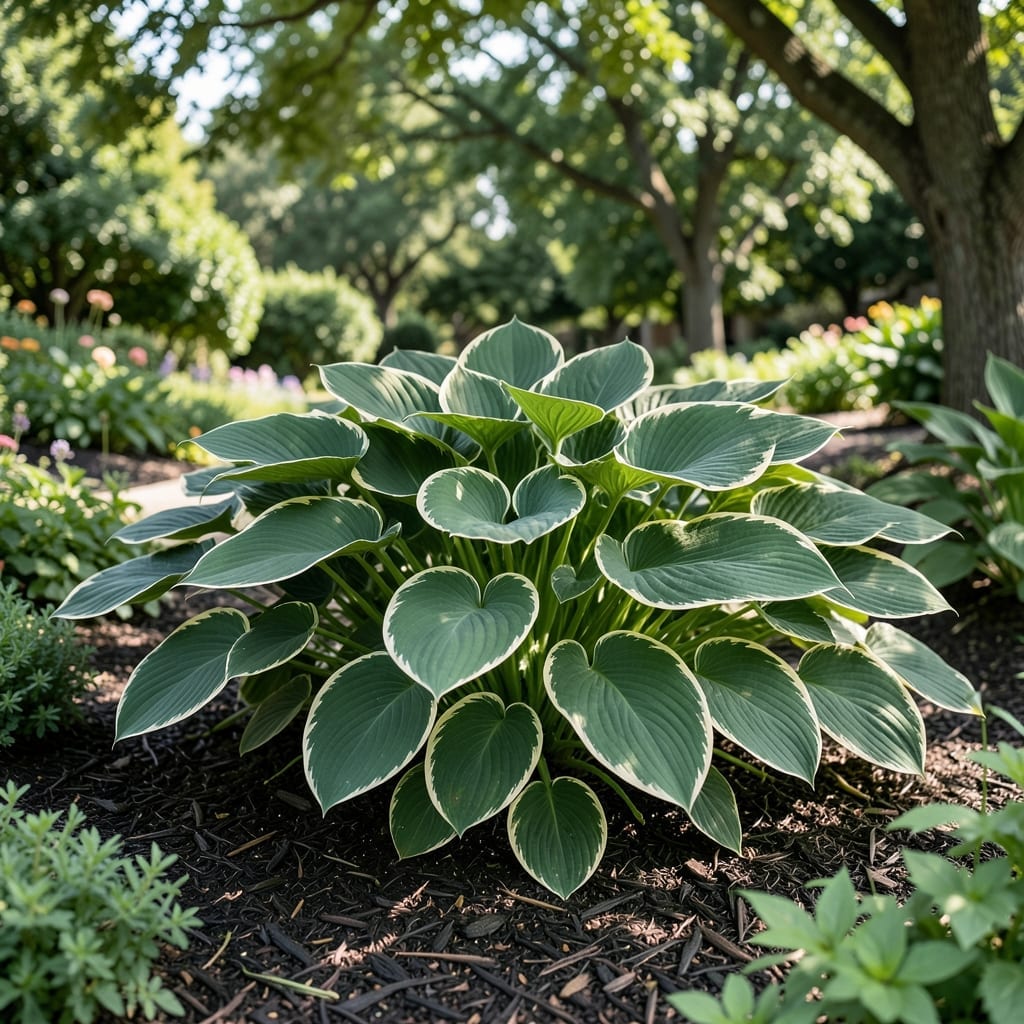
Hostas are a gardener’s favorite for their lush foliage and low maintenance, but their size can vary dramatically. The 🌿 Hosta you choose might stay a petite 6 inches tall or grow into a 4-foot showstopper.
Knowing the potential size of your Hosta helps you plan the perfect spot in your garden. Whether you’re working with a small patio or a sprawling backyard, there’s a variety that fits.
I’ll break down the size ranges and what influences their growth, so you can pick the best Hosta for your space. Let’s get started.
If you’ve ever wondered how big do hostas get, the answer spans a surprising range. From tiny 6-inch dwarf varieties to 4-foot giants, hostas offer sizes for every garden niche. The key is matching the variety to your space.
I’ve grown hostas in containers, borders, and shaded gardens, and their mature size always dictates their impact. Smaller types fit rock gardens, while larger ones create lush ground covers under trees.
| Category | Height | Spread | Example Varieties |
| Dwarf | 6-12 inches | 12-18 inches | Blue Mouse Ears, Pandora’s Box |
| Small | 1-2 feet | 2-3 feet | Francee, Gold Standard |
| Medium | 2-3 feet | 3-4 feet | Sagae, June |
| Large | 3-4 feet | 4-6 feet | Sieboldiana, Elegans |
| Giant | 4+ feet | 6+ feet | Empress Wu, Sum and Substance |
Dwarf hostas like Blue Mouse Ears stay under 1 foot tall, perfect for container gardens or front borders. Their compact size makes them ideal for small spaces or edging pathways.
Small hostas, such as Francee, reach 1-2 feet in height. These are versatile for mixed borders or underplanting shrubs. I love how their variegated leaves brighten shady spots.
Medium varieties like Sagae grow 2-3 feet tall and wide. They work well as focal points in shaded garden beds or along foundations. Their bold foliage adds texture to any landscape.
Large hostas such as Sieboldiana can reach 3-4 feet. These create dramatic ground covers in wooded areas or under large trees. Their broad leaves make a striking statement.
Giant hostas like Empress Wu can grow over 4 feet tall and wide. These are best for large landscapes where they can spread out. Their impressive size makes them a conversation piece.
Remember, these are mature sizes. Most hostas take 3-5 years to reach their full potential. Patience pays off with these long-lived perennials. 🌿
While genetics determine the basic size range of your hosta, several environmental factors can significantly impact its final dimensions. I’ve seen the same variety thrive at different sizes based on growing conditions. 🌿
Understanding these factors helps you optimize growth or control size as needed. Even dwarf varieties can exceed expectations with ideal care.
🌱 Key Growth Influencers
In my experience, sunlight is the most critical factor. Hostas in partial shade with morning sun grow larger than those in deep shade. But avoid harsh afternoon sun, which can bleach leaves. ✂️
Soil preparation makes a noticeable difference. I always amend planting areas with compost or aged manure. This gives hostas the nutrient boost they need to reach their potential size.
Watering consistently is especially important for new plantings. I water my hostas deeply once a week, more often in hot weather. Mulching helps retain moisture and regulates soil temperature.
Finally, proper spacing prevents overcrowding. I space dwarf hostas 12-18 inches apart, medium ones 2-3 feet apart, and giants 4-6 feet apart. This gives each plant room to grow without competition. 🌱