
Beautiful Plants For Your Interior
Beautiful Plants For Your Interior
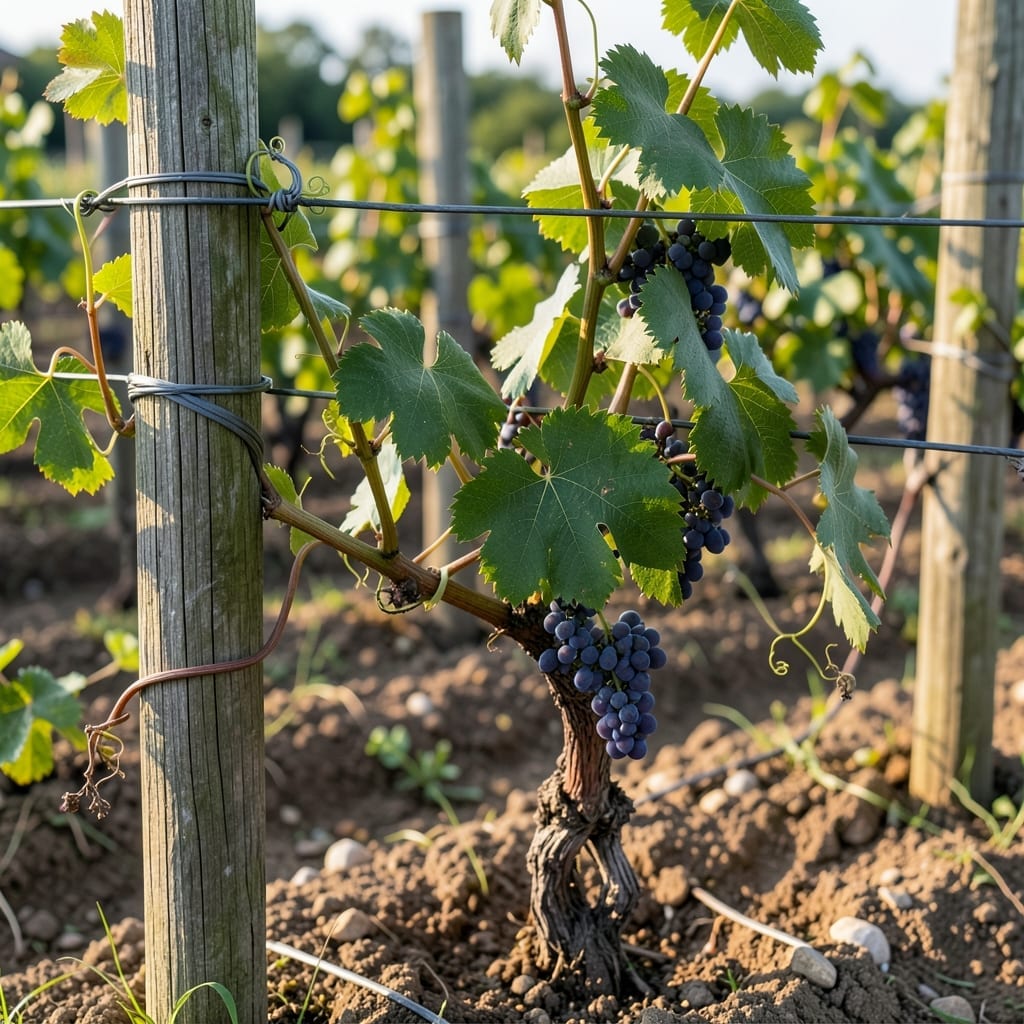
Picture this: you plant a small Grape Vine 🍇 in your backyard, expecting a modest addition to your garden. Fast forward a few years, and you’re staring up at a sprawling network of vines that’s taken over more space than you ever imagined.
This scenario plays out more often than you’d think. Many gardeners underestimate just how large these plants can become, leading to overcrowded spaces and maintenance headaches down the line.
Understanding the mature size of Grape Vine is the key to proper planning. Whether you’re working with limited space or have acres to fill, knowing what to expect helps you create the ideal growing environment.
Let me walk you through what determines their size and how to manage their growth effectively. You’ll be surprised at how much control you actually have over these vigorous plants.
If you’re new to growing grape vines, their potential size might surprise you. Most varieties reach 15 to 20 feet in height when properly supported, with some climbing even higher under ideal conditions. Their lateral spread can stretch 6 to 10 feet, requiring ample space.
Without proper training, these vigorous plants can quickly overwhelm a garden. Even dwarf varieties typically grow 6 to 10 feet tall, while standard types often exceed 20 feet when mature. Their root systems also spread widely, sometimes matching the canopy’s expanse.
| Variety | Height Range | Spread |
|---|---|---|
| Dwarf | 6-10 ft | 4-6 ft |
| Semi-Dwarf | 10-15 ft | 6-8 ft |
| Standard | 15-20+ ft | 8-10 ft |
Table grapes like Thompson Seedless tend to stay on the smaller side, while wine grapes such as Cabernet Sauvignon often grow taller. Climate plays a role too—vines in warmer zones typically achieve greater heights than those in cooler areas.
The first year of growth is explosive, with vines often reaching 5 to 8 feet. By year two, they can double in size, and by year three, many approach their mature height. This rapid growth means you’ll need sturdy supports early on.
Trellising systems are essential for managing size. A well-designed pergola or arbor can support vines at their full height while keeping fruit accessible. Without proper support, vines may sprawl across the ground, leading to disease issues and poor fruit quality.
Root depth is another consideration. Most grape vine roots extend 3 to 6 feet deep, though some may go deeper in loose, well-drained soil. This extensive root system helps the plant access water and nutrients, contributing to its vigorous growth habit.
Seasonal changes affect size too. Vines grow most actively in spring and summer, with growth slowing in fall. In winter dormancy, the plant conserves energy, but the existing structure remains until pruning reshapes it the following year.
If space is limited, consider container growing. While potted vines won’t reach the same size as in-ground plants, they can still produce fruit with proper care. Just be prepared to prune aggressively to control their size.
Remember, these size estimates are for mature, well-maintained vines. Neglect, poor soil, or insufficient sunlight can stunt growth. Conversely, optimal conditions may push vines beyond typical ranges, so plan your garden layout with some flexibility in mind.
🌿Several key variables determine how big your grape vines will grow. Climate plays a major role—warmer regions see faster, more extensive growth. Soil quality also matters, as rich, well-draining soil supports robust development.
Pruning practices directly impact size, with regular cuts keeping vines manageable. Without pruning, vines can quickly become overgrown. Trellising systems guide growth direction and can limit or encourage spread.
I’ve found that variety-specific traits also play a huge role. Some table grapes stay compact, while wine grapes can grow aggressively. Always check the expected size for your specific variety before planting.
To control growth, I recommend annual pruning in late winter. This keeps vines at a manageable size while promoting better fruit production. Training vines on a trellis also helps direct growth upward rather than outward.
If space is limited, consider dwarf varieties or container planting. These options can keep your grape vines productive without overwhelming your garden. Consistent care is key to balancing size and fruit yield.
In my experience, regular monitoring helps catch growth issues early. Adjust your pruning and training as needed to keep vines healthy and within bounds. 🌿