
Beautiful Plants For Your Interior
Beautiful Plants For Your Interior
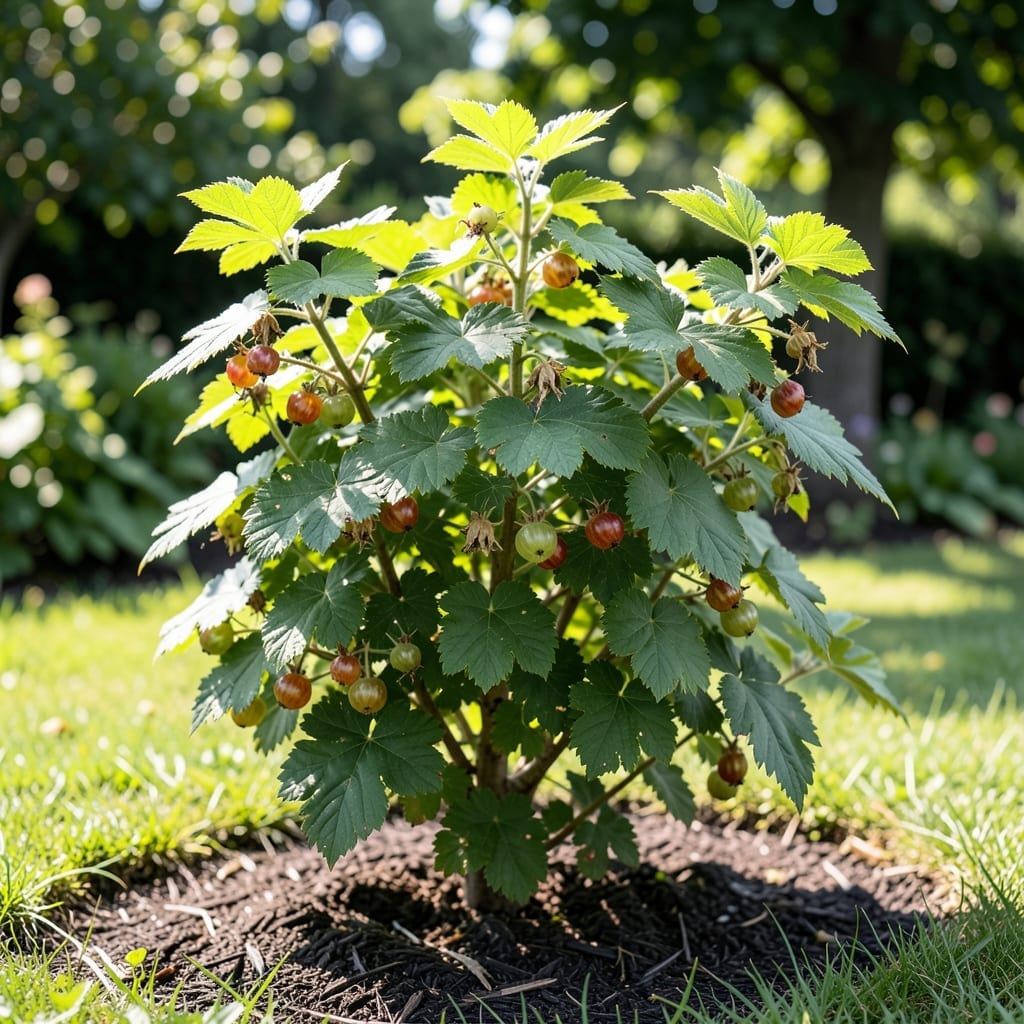
Gooseberry bushes are a fantastic addition to any garden, but their size at maturity often surprises new growers. Knowing how big these bushes get helps you plan your space effectively.
I remember planting my first 🫐 gooseberry and being amazed at how quickly it grew. These hardy shrubs can transform a small corner of your yard into a productive berry patch.
You’ll discover that most varieties reach 3-6 feet tall and wide, though proper pruning can keep them more compact. This makes them perfect for both spacious gardens and cozy backyards.
Let me walk you through what to expect as your gooseberry bushes mature and how to give them the best start in zones 3-8. The right knowledge now saves headaches later.
If you’re planning to grow gooseberry bushes, knowing their mature size is key. Most cultivated varieties reach 3 to 5 feet tall and wide, though some can grow up to 6 feet under ideal conditions. Wild types may stretch even taller, but pruning keeps them manageable.
In my garden, I’ve found that standard gooseberry bushes typically max out at 4 to 6 feet. Dwarf varieties stay compact at 3 to 4 feet, perfect for smaller spaces or containers. Their spread often matches their height, creating a dense, rounded shape. ✂️
| Variety | Height | Spread |
|---|---|---|
| Dwarf | 3-4 ft | 3-4 ft |
| Semi-Dwarf | 4-5 ft | 4-5 ft |
| Standard | 5-6 ft | 5-6 ft |
Pruning plays a huge role in controlling size. I prune my bushes annually in late winter to remove old wood and encourage new growth. This keeps them at a manageable 4 to 5 feet while promoting better fruit production.
Unpruned bushes can become leggy and overgrown, sometimes reaching 6 to 7 feet. To avoid this, I recommend thinning out 1/3 of the oldest stems each year. This also improves air circulation, reducing disease risk.
The growth rate of gooseberries is moderate. In their first year, expect 1 to 2 feet of growth. By year three, most bushes reach near-mature size. I’ve noticed that well-fertilized plants in full sun grow faster and fuller.
Soil quality and watering habits also impact size. Gooseberries thrive in moist, well-draining soil with a pH of 6.0-6.5. In my experience, bushes in poor soil stay smaller, while those in rich soil can exceed expected heights.
If space is limited, consider container growing. Dwarf varieties do well in large pots (at least 20 gallons). Just ensure the container has drainage holes and use a quality potting mix for best results.
For hedge planting, space bushes 4 to 5 feet apart. This allows enough room for growth while creating a dense, productive barrier. I’ve used this spacing in my garden, and it works beautifully for both privacy and fruit production.
Remember, climate affects size too. In cooler zones (USDA 3-5), bushes may stay smaller, while in warmer areas (USDA 6-8), they can grow larger. Always check your local growing conditions for the best results. 🌱
If you’ve ever wondered why your neighbor’s gooseberry bushes look different from yours, it’s likely due to varying growth conditions. Several factors can influence the final height and spread of these productive shrubs.
First, variety selection plays a huge role. Dwarf varieties typically stay 3-4 feet tall, while standard types can reach 5-6 feet. Even within the same variety, individual plants may vary.
Soil conditions significantly impact growth. Gooseberries thrive in well-draining loam with a slightly acidic to neutral pH. Compacted or waterlogged soil will restrict root development and limit size.
Sunlight is another critical factor. Bushes in full sun (6-8 hours daily) will generally grow larger than those in partial shade. However, they can tolerate some shade, especially in hotter climates.
Consistent watering is essential, particularly during the first growing season. Drought stress can significantly reduce both the height and fruit production of your bushes.
Finally, remember that pruning is your secret weapon. Annual pruning in late winter helps maintain size, improves air circulation, and encourages fruit production on the remaining branches. 🌿