
Beautiful Plants For Your Interior
Beautiful Plants For Your Interior
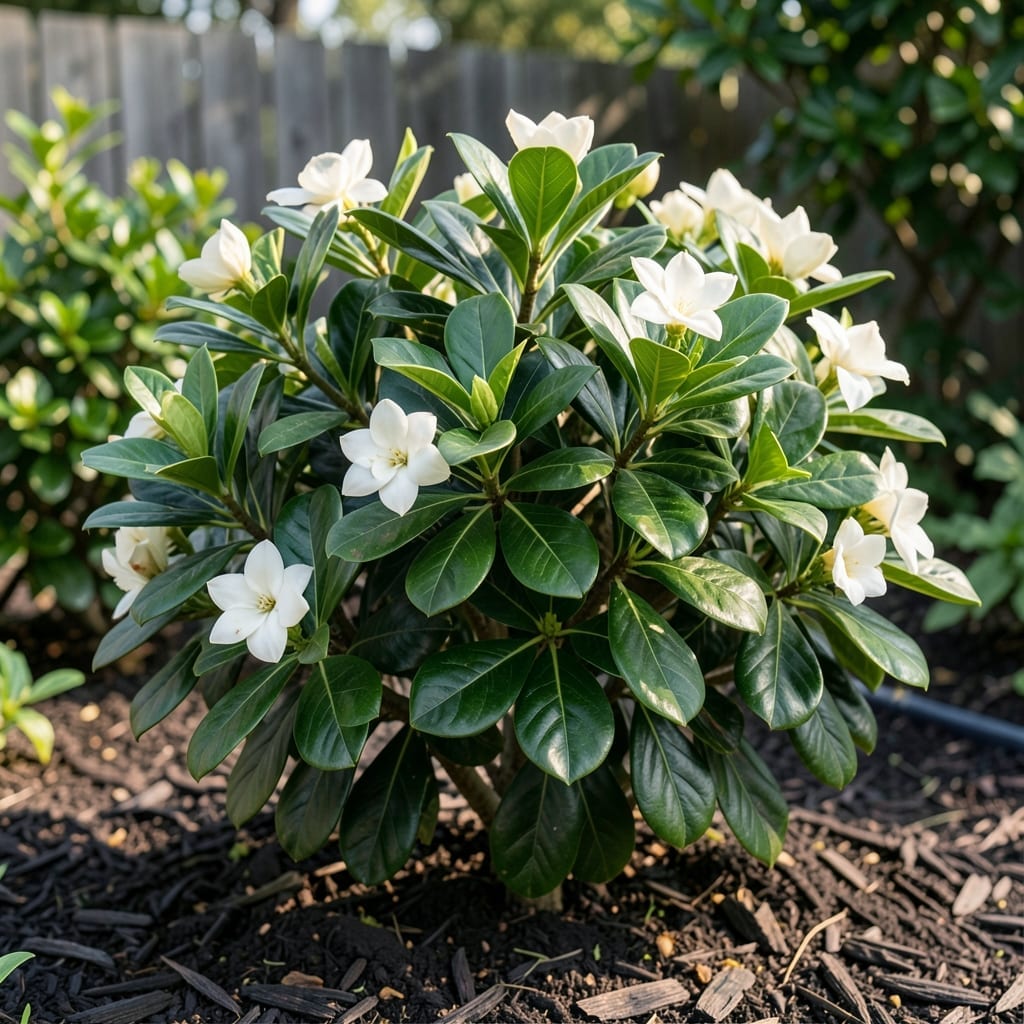
If you’re dreaming of adding fragrant 🌸 Gardenia bushes to your landscape, size matters more than you think. These stunning shrubs don’t stay small forever, and their mature dimensions can surprise first-time growers.
From compact dwarf varieties to towering standards, the spread can vary dramatically. I’ve seen gardeners struggle when they didn’t account for how these beauties expand over time.
Discover the typical size ranges and what influences their growth, so you can plan the perfect spot. Let’s make sure your Gardenia has room to shine.
When I first planted Gardenia bushes, I was amazed by how much their size could vary. These fragrant shrubs don’t follow a one-size-fits-all rule, with some staying petite while others grow quite large. The mature size depends heavily on the specific variety you choose.
From compact dwarf gardenias to towering standards, each type has its own growth pattern. Understanding these differences helps you pick the perfect fit for your garden space and design goals.
| Variety | Height Range | Spread Range | Notes |
|---|---|---|---|
| Dwarf (Radicans) | 2-4 ft | 2-3 ft | Perfect for containers and small spaces |
| Semi-Dwarf (Kleim’s Hardy) | 3-5 ft | 3-4 ft | Cold-hardy and versatile for landscapes |
| Standard (Jasminoides) | 4-8 ft | 3-6 ft | Classic gardenia with large, fragrant blooms |
| Large (Veitchii) | 6-10 ft | 4-8 ft | Ideal for privacy hedges in warm climates |
The Radicans dwarf variety stays small, typically reaching just 2-4 feet tall with a similar spread. I love using these in container gardens or along walkways where space is limited.
For a mid-sized option, Kleim’s Hardy gardenias grow to about 3-5 feet in both height and width. These are particularly cold-tolerant, making them great for gardeners in slightly cooler zones.
The classic Gardenia jasminoides is what most people picture when they think of gardenias. These standard varieties can reach 4-8 feet tall with a 3-6 foot spread, perfect for foundation plantings or as focal points.
If you’re looking for a statement plant, the Veitchii variety can grow 6-10 feet tall with an impressive 4-8 foot spread. These larger gardenias work beautifully as privacy screens in warmer climates.
Remember that these are mature sizes – your gardenia won’t reach these dimensions overnight. Most varieties grow about 1 foot per year under ideal conditions, so plan accordingly for your landscape design.
I always recommend giving your gardenias a little extra space than their mature size suggests. This allows for proper air circulation, which helps prevent fungal diseases that these plants can be prone to.
Whether you choose a petite dwarf or a grand standard, knowing the expected size helps you create the perfect spot. With the right variety and placement, your gardenia will thrive and fill your garden with its heavenly fragrance for years to come 🌸
I’ve learned that Gardenia bush size isn’t just about genetics—it’s deeply influenced by growing conditions. Even the same variety can vary in height and spread based on how well you meet its needs.
From sunlight exposure to soil quality, several key elements determine whether your gardenia stays compact or grows into a sprawling shrub. Understanding these factors helps you control its final dimensions.
In my experience, sunlight is the biggest game-changer. Gardenias in full morning sun with afternoon shade tend to grow more compactly than those in deep shade, which can get leggy.
Soil acidity is another critical factor. I always test my soil and amend with sulfur or peat moss if the pH is too high. Gardenias in neutral or alkaline soil often struggle to reach their full size potential.
Don’t underestimate the power of proper pruning. I prune my gardenias right after they finish blooming to control their shape and size. This keeps them from becoming overgrown and encourages more fragrant flowers the next season.
Finally, remember that container-grown gardenias will naturally stay smaller than those planted in the ground. This is a great way to enjoy these beauties even in small spaces 🌿