
Beautiful Plants For Your Interior
Beautiful Plants For Your Interior
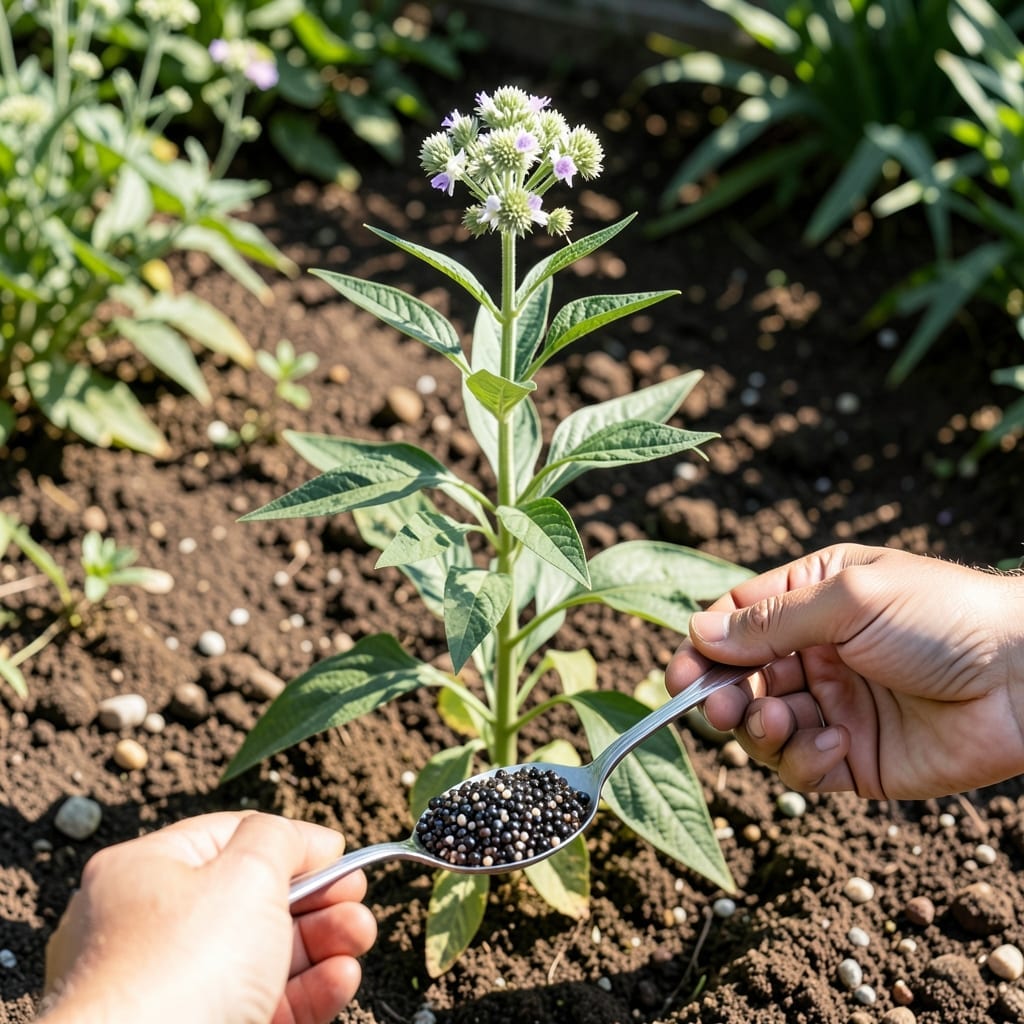
Chia seeds may be tiny powerhouses of nutrition, but many gardeners wonder: just how big do these seeds get when planted? The 🌱 Chia starts small, yet transforms remarkably in the right conditions.
From a speck of 1-2mm to a towering plant, the journey is fascinating. I’ve watched these seeds grow into lush greenery reaching 1-3 feet tall, and the process is simpler than you might think.
Understanding their growth stages helps you nurture them effectively. Whether you’re a seasoned gardener or just starting, knowing what to expect makes all the difference.
Discover how to cultivate chia plants that thrive and reach their full potential. Let’s break it down together.
When I first started growing chia plants, I was amazed by how such tiny seeds could produce such vibrant plants. The seeds themselves are minuscule, typically measuring just 1-2mm in diameter. 🌱
Despite their small size, chia seeds grow into bushy plants that can reach 1-3 feet tall at maturity. The exact size depends on the variety and growing conditions, but most gardeners see plants in the 2-foot range. 🌿
| Stage | Details |
| Seed size | 1-2mm diameter |
| Sprout height | 2-4 inches in 2 weeks |
| Mature height | 1-3 feet tall |
| Spread | 12-18 inches wide |
| Flower size | 0.5-1 inch diameter |
The growth stages of chia are fascinating. From those 1-2mm seeds, you’ll see sprouts in 5-10 days, reaching 2-4 inches tall within two weeks. The plants then develop multiple stems and lush green leaves. ✂️
By 6-8 weeks, chia plants typically start flowering. The purple or white blooms are about 0.5-1 inch in diameter. Each flower cluster will eventually produce seed pods that contain the next generation of tiny chia seeds.
I’ve noticed that spacing affects final size significantly. Plants given 12-18 inches of space tend to grow taller and bushier. Crowded chia will be smaller but may produce more seeds per square foot.
The seed heads form after flowering and are particularly interesting. Each can contain hundreds of seeds, and they’ll turn brown and dry when ready for harvest. This is when you’ll see the full cycle from tiny seed to seed-producing plant.
For best results, I recommend planting chia in well-draining soil with full sun exposure. These conditions help the plants reach their maximum height potential of about 3 feet. In partial shade, expect plants to stay closer to 1-2 feet tall.
Remember that variety plays a role too. Some chia cultivars are bred to be more compact, while others are selected for taller growth. Always check the seed packet for specific size expectations for your chosen variety.
In my experience, chia plants grown in containers tend to stay on the smaller side, usually 1-2 feet tall. This makes them perfect for balcony gardens or small spaces where you want to enjoy these easy-to-grow plants. 🌱
If you’re growing chia plants, you might wonder why some reach 3 feet tall while others stay small. The truth is, several key factors shape their final size, and understanding these can help you cultivate healthier, more robust plants.
From my experience, soil quality and sunlight exposure are the biggest game-changers. Chia thrives in well-draining soil with plenty of direct sunlight, ideally 6+ hours daily. Without these, plants often stay stunted.
I’ve noticed that watering habits also play a huge role. Chia is drought-tolerant once established, but regular watering during the early stages encourages deeper root growth and taller plants. Overwatering, however, can lead to root rot and stunted growth.
Spacing is another critical factor. When I planted chia too closely together, the plants competed for nutrients and sunlight, resulting in smaller, weaker stems. Giving them 12-18 inches of space allows each plant to reach its full potential.
Don’t overlook nutrient availability. While chia isn’t a heavy feeder, a balanced fertilizer applied every 4-6 weeks can give plants the boost they need to grow taller and produce more seed heads. I use a 5-10-10 NPK mix for best results.
Finally, variety matters. Some chia cultivars are naturally more compact, while others can grow up to 3 feet tall. If you’re aiming for maximum height, choose a variety known for its vigor and provide optimal growing conditions. 🌱