
Beautiful Plants For Your Interior
Beautiful Plants For Your Interior
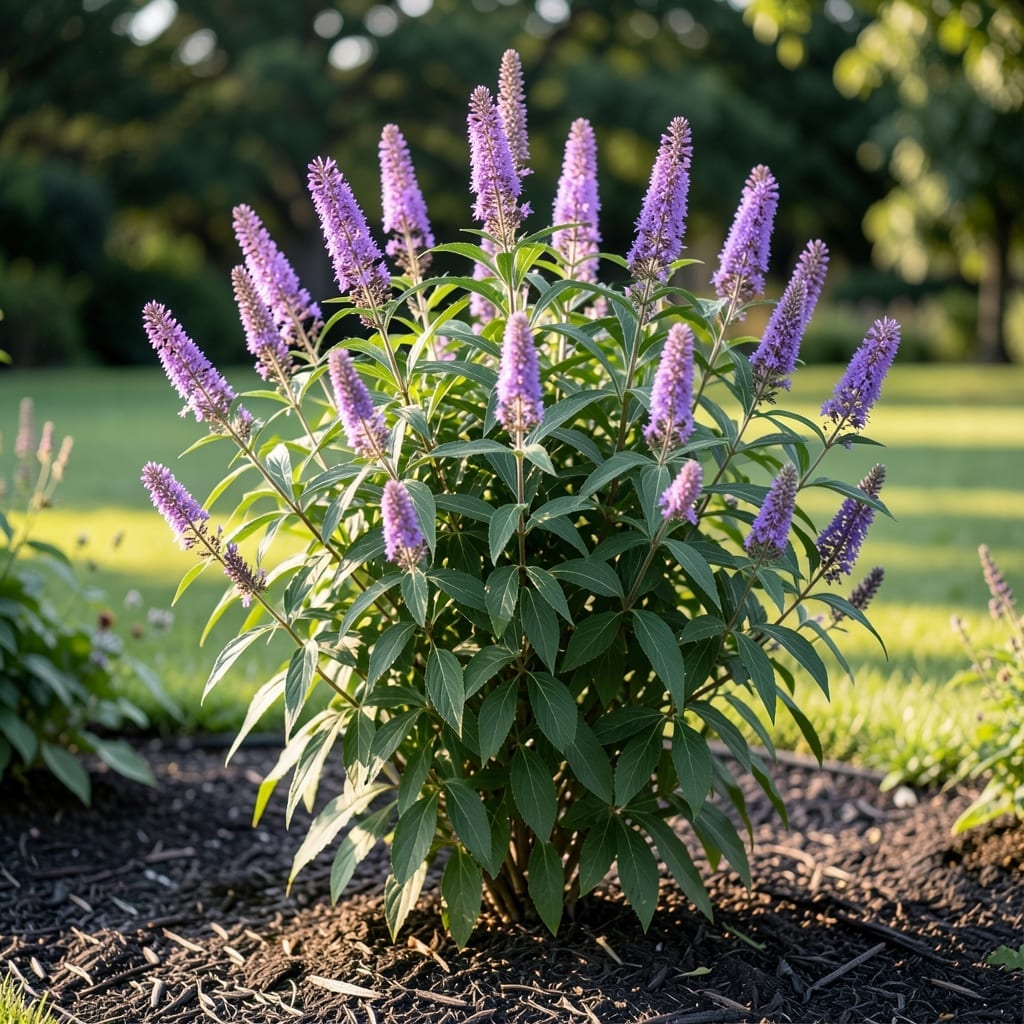
If you’re dreaming of a garden filled with vibrant colors and fluttering wings, the Butterfly Bush 🦋 might be your new best friend. But before you plant, there’s one question you need answered: just how much space will this beauty demand?
These shrubs can grow surprisingly large, and knowing their mature size is crucial for proper placement. Whether you have a sprawling backyard or a cozy patio, understanding their dimensions helps you plan the perfect spot.
Let me walk you through what to expect, from dwarf varieties to towering giants. You’ll have all the details to make your Butterfly Bush thrive without overcrowding your space.
When I first planted butterfly bushes, I was amazed at how quickly they grew. These shrubs can vary dramatically in size depending on the variety you choose. Some stay compact while others reach impressive heights.
Dwarf varieties are perfect for small spaces, while standard types can dominate a garden. Understanding these differences helps you pick the right Buddleia for your landscape needs.
| Variety | Height Range | Width Range |
|---|---|---|
| Dwarf | 3-5 ft | 3-4 ft |
| Semi-Dwarf | 5-8 ft | 4-6 ft |
| Standard | 8-12 ft | 6-8 ft |
The dwarf varieties like ‘Lo & Behold’ stay neatly contained at 3-5 feet tall. These are ideal for container gardening or small garden beds where space is limited.
For medium-sized gardens, semi-dwarf types reach 5-8 feet in height. Varieties like ‘Miss Molly’ offer a balance between manageable size and impressive blooms.
Standard butterfly bushes can grow 8-12 feet tall with a similar spread. These larger varieties, such as ‘Black Knight’, create dramatic focal points in landscapes.
I’ve found that pruning plays a huge role in controlling size. Regular annual pruning in early spring helps maintain your desired dimensions while encouraging fuller growth.
Climate also affects final size. In warmer zones, butterfly bushes tend to grow larger than in cooler regions. The same variety might reach different heights in Georgia versus Minnesota.
Soil quality and watering habits impact growth too. Well-draining soil and consistent moisture help these shrubs reach their full potential. I always recommend mulching to retain moisture.
Remember that mature size is just an estimate. Your butterfly bush might grow slightly larger or smaller based on your specific growing conditions and care routine.
For the best results, I suggest measuring your space before planting and choosing a variety that fits comfortably with room to grow.
With the right variety and care, your butterfly bush will reward you with abundant blooms and a garden full of pollinators 🌿
I’ve learned that several key factors determine how big your butterfly bush will ultimately grow. While genetics play the biggest role, your growing conditions can significantly impact the final size.
Sunlight exposure tops my list of important influences. These shrubs thrive in full sun and typically reach their maximum potential when receiving 6+ hours of direct light daily.
Soil quality makes a noticeable difference in my experience. Well-draining, nutrient-rich soil helps butterfly bushes grow taller and bushier. I always amend my planting area with compost before planting.
Watering habits affect growth too. While these plants are drought-tolerant once established, consistent deep watering during the first growing season encourages more vigorous growth and larger size.
In my garden, I’ve noticed that pruning techniques have the most direct impact on size. Hard pruning in early spring keeps my butterfly bushes more compact, while light pruning allows them to reach their natural height.
Climate zone plays a role as well. In warmer regions (zones 7-9), these shrubs tend to grow larger than in cooler areas (zones 5-6). The longer growing season allows for more extensive growth.
Remember that container planting naturally restricts size. Even standard varieties will stay smaller when grown in large pots compared to in-ground planting.