
Beautiful Plants For Your Interior
Beautiful Plants For Your Interior
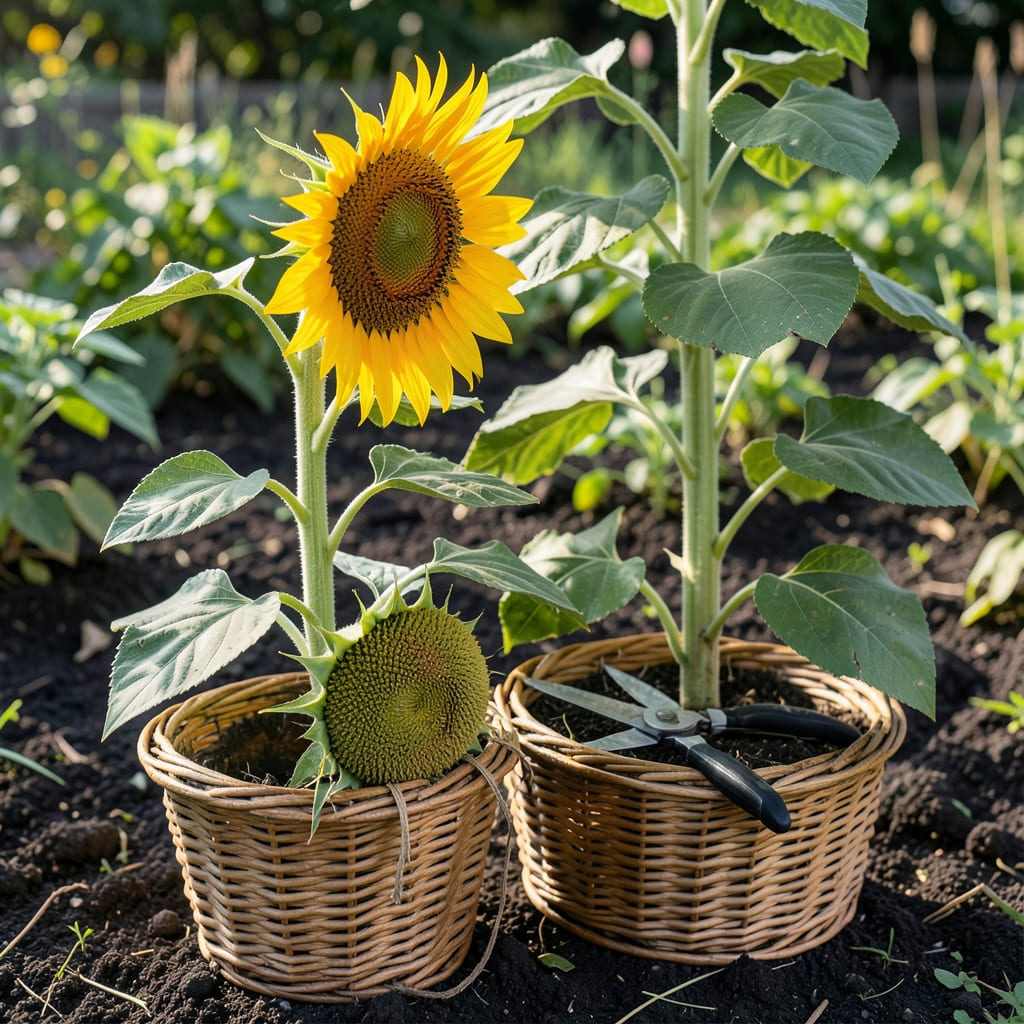
Nothing beats the satisfaction of watching your 🌻 Sunflower heads droop, signaling they’re ready for harvest. Timing is everything when it comes to collecting those perfect seeds.
I’ll walk you through the exact signs to look for and the simple tools you need. Let’s make this harvest your most successful one yet.
Timing your sunflower harvest perfectly ensures the best seed quality and highest yield. I always watch for the first sign: the back of the head turning from green to yellow or brown.
Another clear indicator is when the seeds plump up and develop their striped shells. The petals will also begin to fall off, and the stem dries out near the head.
| Harvest Sign | Description |
|---|---|
| Back Color | Turns yellow or brown |
| Seed Appearance | Black and white striped, plump |
| Petals | Begin to fall off |
| Stem Condition | Turns brown and dry |
For oilseed varieties, harvest when the moisture content is about 10%. This usually happens 30-45 days after the flower blooms and the head begins to droop forward.
If you’re growing giant sunflowers, they may take up to 120 days to mature. Smaller varieties can be ready in as little as 60 days. Always check the seed packet for specific maturity times.
I recommend harvesting on a dry, sunny day to prevent mold growth. If rain is in the forecast, you can cut the heads early and finish drying them indoors in a well-ventilated area.
Another tip: birds love sunflower seeds as much as we do. If you notice feathered visitors feasting on your heads, it’s time to harvest immediately or use netting to protect them.
For the best seed viability, wait until the heads are fully dry. If you cut them too early, the seeds may not mature properly, affecting their germination rate for next season. ☀️
If you’re unsure, perform the fingernail test. Press your fingernail into a seed. If it leaves an indentation, the seeds are still too moist and need more time.
Finally, remember that sunflower varieties have different harvest windows. Dwarf types may mature faster, while heirloom varieties might take the full season. Always observe your specific plants closely. 🌻
Harvesting sunflowers is straightforward with the right tools and approach. I always start with sharp pruners or garden shears to make clean cuts. A bucket or mesh bag helps collect the heads without losing seeds.
You’ll also want gardening gloves to protect your hands from the rough stems and drying racks or paper bags for the drying process. A moisture meter can be handy if you’re unsure about seed dryness.
When cutting, choose a dry morning after the dew has evaporated. This prevents mold growth during drying. If you’re harvesting for birdseed, you can leave the heads on the stalk longer to fully ripen.
For larger sunflowers, I recommend using a support sling made from an old T-shirt or mesh produce bag to cradle the heavy heads as they dry. This prevents the neck from snapping under the weight.
Once dry, test a few seeds by pressing them—if they don’t dent, they’re ready. For long-term storage, keep seeds in glass jars or vacuum-sealed bags to maintain freshness and prevent pests.
Even experienced gardeners can make harvesting mistakes with sunflowers. I’ve learned the hard way that timing is critical—cutting too early means immature seeds, while waiting too long risks bird damage or mold growth.
Another common error is improper drying. Seeds need good airflow to prevent moisture buildup, which can ruin your entire harvest. Never dry heads in a damp basement or sealed container.
⚠️ Warning: Avoid these sunflower harvesting pitfalls:
I’ve also seen gardeners skip the drying step entirely, only to find their seeds sprouting prematurely in storage. Always ensure seeds are completely dry before storing them in airtight containers.
Another mistake is using dirty tools. Clean your pruners with rubbing alcohol between cuts to prevent disease spread between plants. This is especially important if you’re harvesting multiple sunflower heads.
Finally, don’t overlook storage conditions. Keep seeds in a cool, dark place to maintain viability. A pantry or basement works well, but avoid areas with temperature fluctuations. 🌻
Look for the back of the head turning yellow or brown. Seeds should be plump with striped shells, and petals will start falling off. The stem near the head also dries out.
Yes, harvesting too early results in immature seeds that won’t store well. Perform the fingernail test—if seeds dent, they need more time. Wait until they’re firm and fully striped.
Use sharp pruners or garden shears, gloves to protect hands, and a bucket or mesh bag to collect heads. A drying rack helps with airflow afterward.
Hang heads upside down in a dry, ventilated area for 1-2 weeks. Ensure good airflow to prevent mold. Test dryness by pressing seeds—they shouldn’t dent.
