
Beautiful Plants For Your Interior
Beautiful Plants For Your Interior
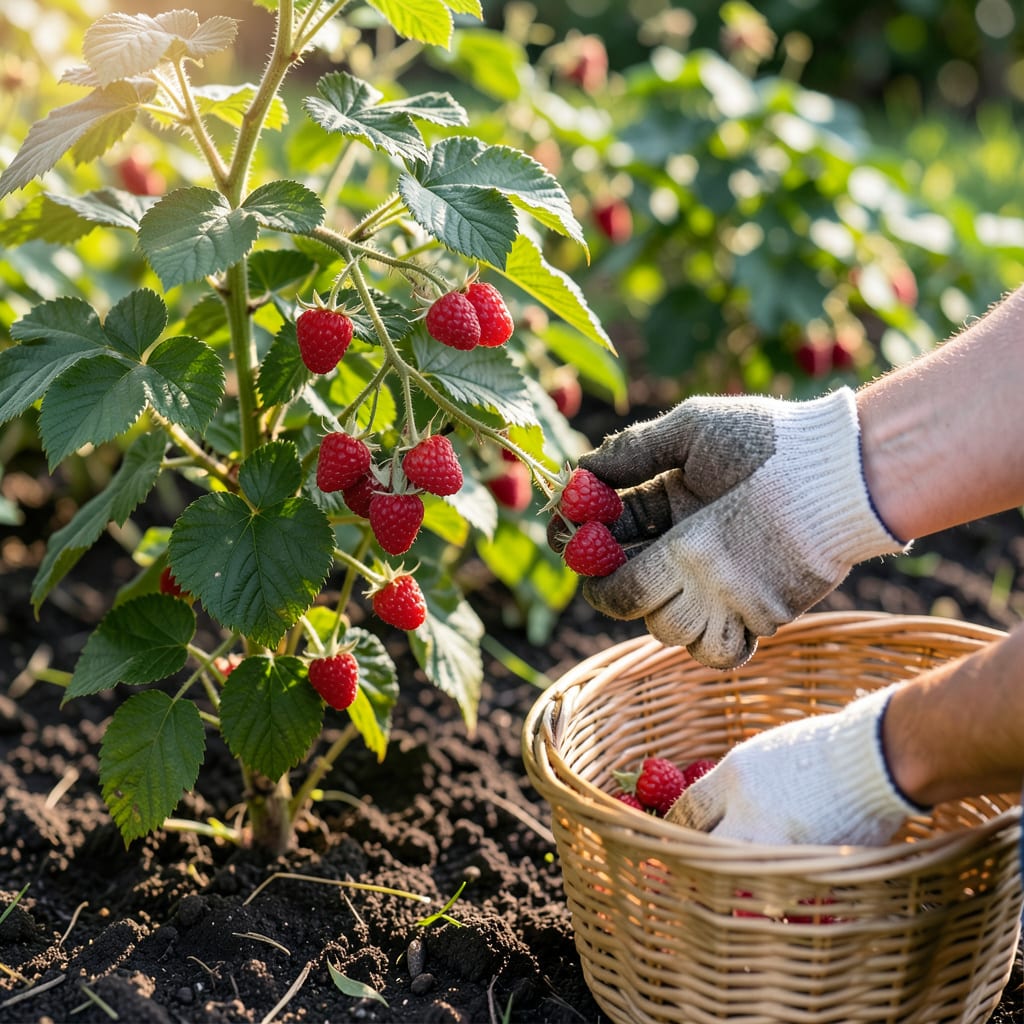
There’s nothing quite like the taste of a perfectly ripe 🍇 Raspberry picked at its peak. But did you know that how you harvest can make or break your berry’s quality?
I’ll show you the gentle methods that ensure you get the sweetest fruit without harming your plants. Discover the simple tricks that make all the difference.
Harvesting raspberries at the right moment is key to enjoying their full flavor. I always check for a deep, consistent color first, as this is the most reliable sign of ripeness. The berries should look rich and even, not pale or patchy.
Next, I gently press the fruit. A ripe raspberry will be firm but not hard, with a slightly soft feel. It should come off the plant with just a gentle tug, leaving the white core behind on the cane.
For summer-bearing raspberries, I start checking in early summer, while ever-bearing varieties produce fruit in both summer and fall. Timing varies by climate, but I find that morning harvesting works best when berries are cool and firm.
The gripping technique is crucial. I use my thumb and forefinger to pinch the berry at its base, then pull gently. If it doesn’t come off easily, I leave it for another day. Forcing it can damage both the fruit and the plant.
I always support the cane with my other hand while picking. This prevents the plant from bending or breaking, especially with taller varieties. It also helps me reach berries at the back of the cane without straining the branches.
Harvesting every 2-3 days ensures I don’t miss any berries at their peak. Raspberries ripen quickly, and leaving them too long can lead to over-ripeness or pest damage. I like to bring a small container to collect berries as I go.
For large harvests, I use shallow trays to avoid crushing the berries at the bottom. If I’m picking for immediate use, I’ll harvest directly into my eating container. But for storage, I spread them in a single layer to prevent bruising.
Weather matters too. I avoid harvesting when the berries are wet, as this can lead to mold or spoilage. Early morning, after the dew has dried, is ideal. If rain is in the forecast, I’ll pick the day before to save the crop.
Finally, I inspect each berry for pests or damage before bringing them inside. A quick sort ensures only the best raspberries make it to my table. This attention to detail makes all the difference in both taste and plant health. 🌿
The right tools for raspberry harvesting make the process easier and protect both your berries and plants. I always start with a small, shallow container to prevent crushing the delicate fruit at the bottom.
For taller raspberry canes, a lightweight step stool or harvesting ladder helps me reach the top berries without straining. I prefer models with wide, stable bases to avoid tipping in the garden. 🌿
| Tool | Purpose |
|---|---|
| Shallow trays | Prevents berry crushing |
| Harvesting ladder | Reaches high canes safely |
| Pruning shears | Trims damaged canes post-harvest |
| Gloves | Protects hands from thorns |
I also keep a pair of sharp pruning shears handy for trimming any damaged or dead canes after harvesting. This keeps the plant healthy and ready for the next growing cycle.
Gloves are essential for me, as raspberry canes can have sharp thorns. I prefer breathable, lightweight gardening gloves that still allow me to feel the berries for ripeness.
For large-scale harvesting, some growers use mechanical harvesters, but I find hand-picking gives the best quality. It allows me to select only the ripenest berries and handle them with care.
I always clean my tools after use to prevent the spread of diseases between plants. A quick wipe with rubbing alcohol does the trick. This simple step helps maintain the health of my entire raspberry patch. ✂️
Even experienced gardeners can make mistakes when harvesting raspberries that affect both fruit quality and plant health. One of the most common errors I see is picking overripe berries. These often look mushy or leak juice.
Another frequent issue is harvesting in wet conditions. Wet berries are more prone to mold and spoilage, so I always wait until the dew has dried or the rain has passed before heading out to pick.
⚠️ Warning: Avoid these common raspberry harvesting mistakes to protect your crop and plants. Damaging canes while picking can reduce next year’s yield.
Never pull too hard—if the berry doesn’t release easily, it’s not ready yet.
I’ve also learned the hard way that improper storage can ruin a perfect harvest. Raspberries are delicate and should never be stacked deeply in containers. I use shallow trays to keep them in a single layer.
Damaging the canes while picking is another mistake to avoid. Rough handling can break branches or strip bark, which weakens the plant. I always support the cane with one hand while picking with the other.
Finally, I
Early morning is ideal when berries are cool and firm. This helps prevent crushing and extends freshness. Avoid harvesting when wet to reduce mold risk.
Inspect plants every 2-3 days during peak season. Raspberries ripen quickly, so frequent checks ensure you don’t miss the perfect window.
They’re not ripe yet. A ready raspberry releases easily with a gentle tug. Forcing it can damage the plant and fruit.
No—use shallow containers to prevent crushing. Stacking berries deeply leads to bruising and spoilage.
