
Beautiful Plants For Your Interior
Beautiful Plants For Your Interior
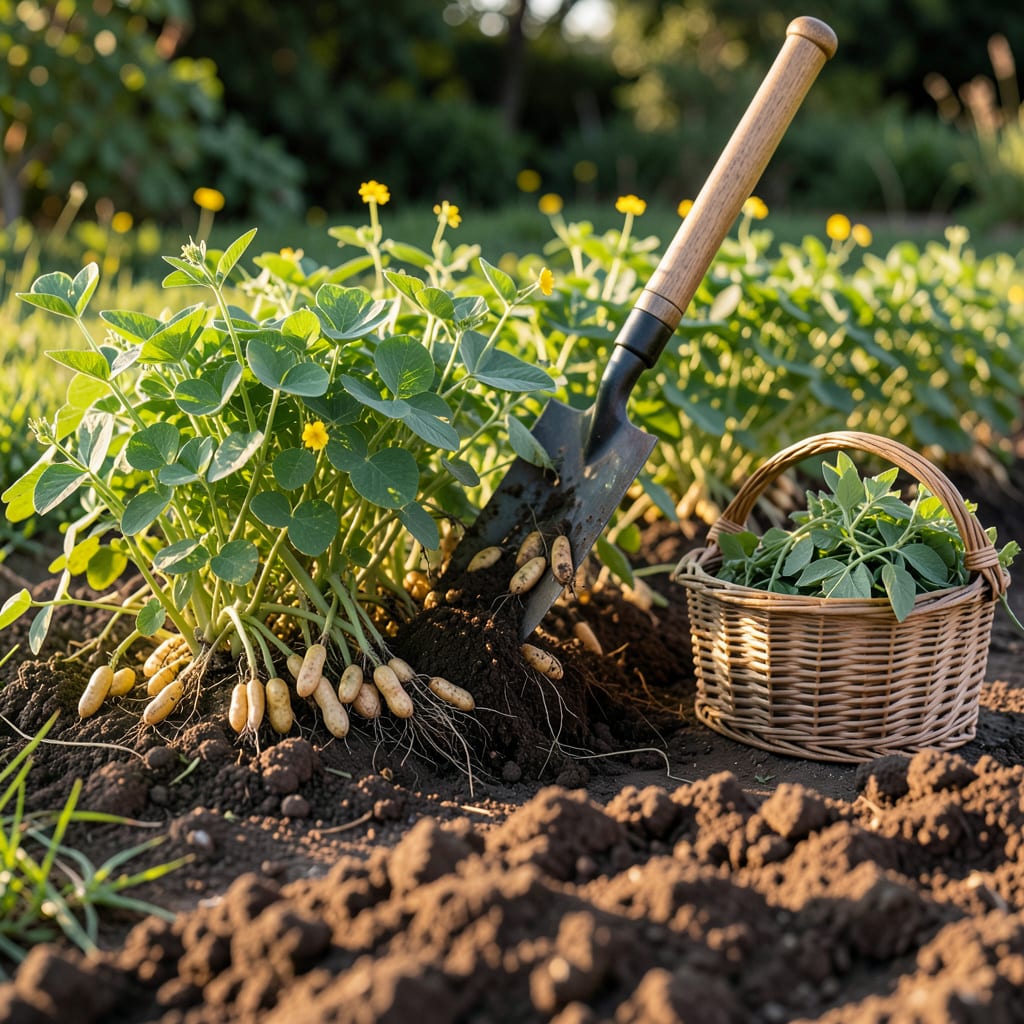
Peanuts don’t grow like typical nuts—they develop underground, making their harvest a unique process. The 🥜 Peanut requires careful timing and technique to ensure a successful yield.
Discover the traditional yet precise methods farmers use to bring this crop from field to processing plant. I’ll walk you through the key steps that make all the difference.
Harvesting peanuts is unlike any other crop because they grow underground. I’ve found that the process requires precision timing and the right machinery to ensure a successful yield. The journey begins when the plants mature, typically 120-150 days after planting. 🌱
The first step is digging the plants from the soil. I use a peanut digger to carefully lift the plants, shaking off excess dirt while keeping the pods intact. This machine has shaker bars that help separate the soil without damaging the peanuts.
Use a peanut digger to lift plants and shake off soil.
Invert plants to expose peanuts for drying in the field.
Leave windrows for 4-7 days until moisture drops to 10%.
Use a peanut combine to separate pods from vines.
After digging, the next step is windrowing. I invert the plants so the peanuts face upward, exposing them to sunlight and air. This helps them dry evenly and reduces the risk of mold growth. The plants usually stay in windrows for 4-7 days. ☀️
Once the peanuts dry to a moisture level of 10% or lower, they’re ready for combining. I use a peanut combine to separate the pods from the vines. This machine is designed to handle the delicate pods without causing excessive damage or loss.
The combining process also helps clean the peanuts by removing dirt, vines, and other debris. I
Finally, the harvested peanuts are collected in a trailer or wagon and transported for further processing. I always check a sample of the harvested pods to ensure they meet quality standards before moving on to the next field. 🌿
This entire process demands attention to detail and proper equipment. From digging to combining, each step plays a critical role in ensuring a high-quality peanut harvest. Timing and technique are everything when it comes to bringing in a successful crop.
Timing your peanut harvest perfectly ensures the best yield and quality. I always check for pod maturity using the hull scrape test—if the inner shell shows veining, it’s ready. Soil moisture and weather conditions also play a huge role in deciding when to start.
Variety differences matter too. Runner peanuts mature faster than Virginia peanuts, which need a few extra weeks. Harvesting too early means underdeveloped pods, while waiting too long risks split shells or mold growth. ☀️
| Requirement | Specification |
| Pod Maturity | Hull scrape test shows veining |
| Soil Moisture | 10-15% for optimal digging |
| Weather | Dry conditions prevent mold |
| Variety | Runner: 120-130 days, Virginia: 140-150 days |
I’ve learned that yellowing leaves are a key visual cue. When about 75% of leaves turn yellow, it’s time to dig. This usually happens in late September to early October for most regions. Consistent monitoring is critical during this stage.
Another critical factor is the pod fill. I check a few plants by hand to ensure the peanuts inside are plump and fully formed. If they rattle in the shell, they’re not ready. Proper timing prevents losses and ensures high-quality peanuts for storage or market.
Avoid harvesting in wet conditions—this can lead to soil compaction and equipment damage. I always wait for a stretch of dry days to ensure the drying process goes smoothly after digging. Patience here saves a lot of trouble later.
For the best results, I combine visual checks with maturity tests. Using a pod blaster or shelling a few peanuts gives me confidence in the harvest decision. This method has never let me down in achieving a bountiful peanut crop. 🌱
Once peanuts are dug from the soil, the work isn’t over. I’ve found that proper post-harvest handling is crucial to prevent spoilage and ensure quality. The first step is cleaning to remove dirt, vines, and other debris from the freshly harvested peanuts. 🌱
Next comes drying, which reduces moisture levels to 10% or lower. This prevents mold and extends storage life. I use well-ventilated areas or mechanical dryers to achieve this efficiently. The peanuts must be spread out evenly for consistent drying. ☀️
After drying, the peanuts go through grading, where they’re sorted by size, shape, and quality. This step ensures uniformity and meets market standards. I pay close attention here because high-grade peanuts fetch better prices and have longer shelf lives.
Shelling comes next, where the peanuts are separated from their hard outer shells. This is often done mechanically for large batches. Once shelled, the peanuts are inspected again for any damage or defects before storage or further processing. ✂️
Finally, the peanuts are stored in cool, dry conditions to maintain freshness. For long-term storage, I recommend using airtight containers to keep out moisture and pests. This ensures the peanuts remain in top condition until they’re ready for market or further use.
A peanut digger, shaker, and combine are essential. The digger lifts plants, the shaker removes soil, and the combine separates pods from vines.
Check for yellowing leaves and use the hull scrape test—veining inside shells signals maturity. 120-150 days after planting is typical.
Drying reduces moisture to 10% or lower to prevent mold and spoilage. This step is critical for long-term storage and quality.
Yes, but it’s labor-intensive for large fields. Hand-harvesting works for small gardens—gently lift plants and shake off soil.
