
Beautiful Plants For Your Interior
Beautiful Plants For Your Interior
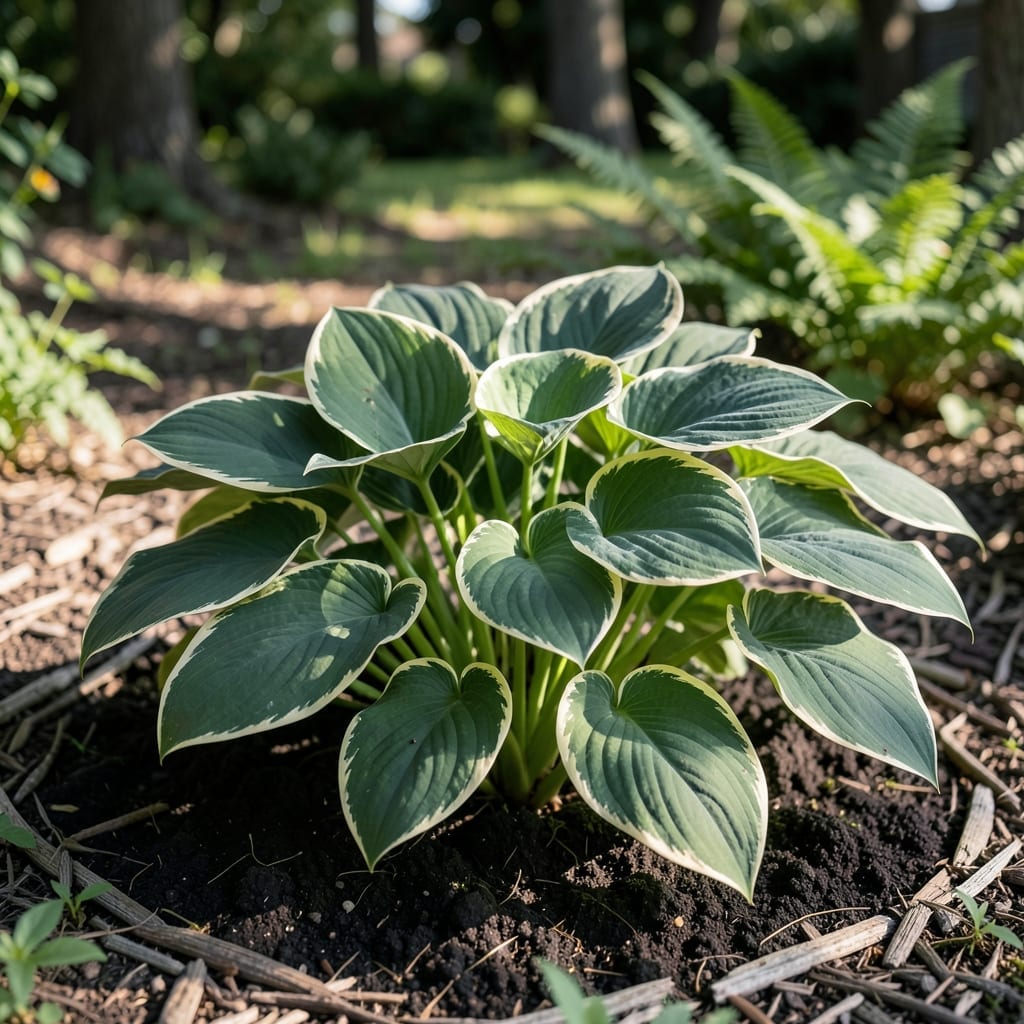
If your 🌿 Hosta leaves look sad and scorched, you might be giving them too much love from the sun. These shade-loving beauties have specific needs that many gardeners overlook.
Getting the light conditions right is the key to those lush, vibrant leaves we all adore. Even a few extra hours of sunlight can make a world of difference for your plants.
I’ve seen firsthand how proper light transforms hostas from struggling to absolutely thriving. Whether your garden gets full sun or deep shade, there’s a perfect spot for these hardy perennials.
Let me show you exactly how to find that sweet spot for your hostas, so they can grow healthier and more beautiful than ever.

If you’ve ever wondered how much sun hostas need, the answer depends on the variety. While most hostas thrive in partial shade, some tolerate more sun than others. I’ve found that blue hostas prefer deeper shade, while gold varieties can handle brighter spots.
In my garden, I’ve learned that variegated hostas often need dappled sunlight to maintain their vibrant patterns. Meanwhile, green hostas are the most adaptable, doing well in both shade and sun. The key is observing your plants and adjusting as needed.
| Variety | Optimal Sun | Notes |
|---|---|---|
| Blue Hostas | 2-3 hours | Needs deepest shade |
| Gold Hostas | 3-4 hours | Tolerates morning sun |
| Variegated Hostas | 2-4 hours | Dappled light best |
| Green Hostas | 2-6 hours | Most adaptable |
For optimal hosta health, I recommend morning sunlight over harsh afternoon rays. This is especially true for sensitive varieties like blue hostas, which can scorch easily. A good rule of thumb is to aim for 2-6 hours of sun daily, depending on the type.
In my experience, hostas in full sun often suffer from leaf burn and faded colors. If you notice these signs, it’s time to move them to a shadier spot or add some protection like a shade cloth.
On the flip side, too little sun can lead to weak growth and poor blooming. I’ve seen this happen with hostas planted in deep shade. They survive but don’t thrive. The solution? A little dappled light can work wonders.
If you’re planting hostas under tree canopies, remember that the light changes as the trees grow. I check my garden’s light conditions every season to ensure my hostas are still in their ideal spot. It’s a small effort for big rewards.
For those with limited shade, consider companion planting. I use taller plants like ferns or shrubs to create natural shade for my hostas. This mimics their natural woodland habitat and keeps them happy.
Finally, don’t forget that soil moisture plays a role in sun tolerance. Hostas in dry, sunny spots will struggle more than those in moist, shaded areas. I always mulch around my hostas to retain moisture and protect their roots. ☀️
By understanding the sunlight needs of each hosta variety, you can create a garden where these beautiful plants thrive year after year. It’s all about finding the right balance for your specific plants and conditions.
With a little observation and adjustment, your hostas will reward you with lush, vibrant foliage that’s the envy of the neighborhood. 🌿
Your hostas will tell you if they’re unhappy with their light. Leaf scorch or brown edges often mean too much sun, while pale leaves or leggy growth signal they need more light.
I’ve noticed gold hostas can handle more sun than blue varieties, but even they have limits. Watch for faded colors or weak stems as early warning signs.
⚠️ Warning: Sun Stress in Hostas
Too much sun causes crispy leaf margins and bleached spots. Too little sun leads to sparse foliage and poor blooming.
If your hostas look washed out, try moving them to a spot with morning sun and afternoon shade. This balance keeps colors vibrant without burning leaves.
For deep shade gardens, choose blue hostas like ‘Halcyon’—they thrive with just 2-3 hours of dappled light daily. Variegated types need a bit more to maintain their patterns.
Don’t forget to check soil moisture too. Hostas in too much sun dry out faster, so I always mulch heavily to retain moisture and protect roots.
With a little observation and adjustment, your hostas will reward you with lush, colorful foliage all season long. It’s all about finding that perfect light balance for your specific varieties. 🌿