
Beautiful Plants For Your Interior
Beautiful Plants For Your Interior
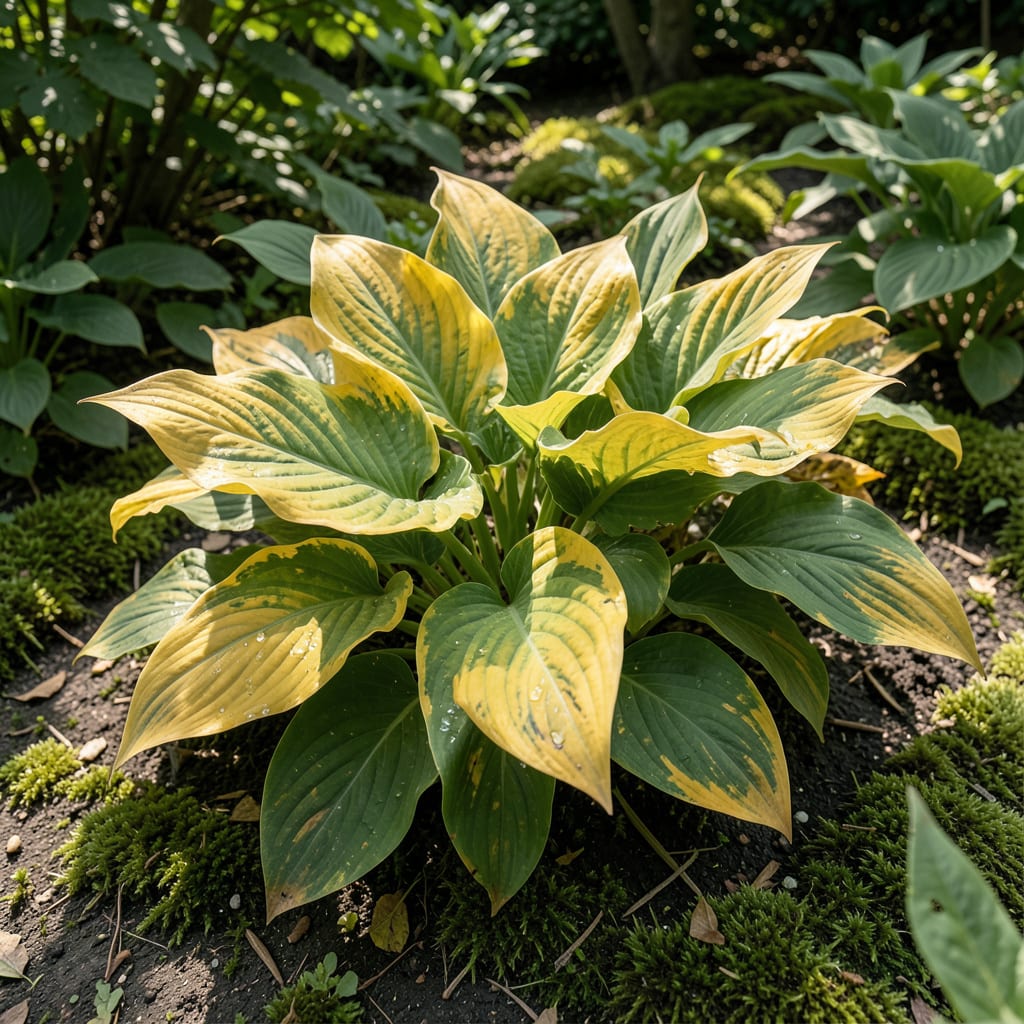
Yellow hosta leaves hit me like a gut punch last summer. 🌿 I’d babied those plants for years—watering, feeding, talking to them—only to watch the edges turn crispy and the centers fade to sickly yellow.
Turns out, it wasn’t neglect. The real culprits were usually too much water, hungry soil, or a pH imbalance. My soil test revealed the truth: the nutrients were there, but the pH was so off the roots couldn’t absorb them.
Fixing it took a weekend. I adjusted the watering schedule, added compost, and lime to balance the pH. Within 2 weeks, new growth came in deep green and those yellow leaves stopped spreading.
Now my hostas stay lush from spring through fall. Here’s how to diagnose and fix yours.
Yellowing leaves on your hosta plants can be alarming, but understanding the root causes helps you take corrective action. Here are the most common reasons why hosta leaves turn yellow:
A lack of essential nutrients, particularly nitrogen, iron, or magnesium, can lead to yellowing leaves. Nitrogen deficiency often causes uniform yellowing, while iron deficiency results in interveinal chlorosis (yellowing between leaf veins). Magnesium deficiency may appear as yellow patches or margins. A soil test can confirm which nutrients are lacking.
Hostas thrive in moist but well-drained soil. Overwatering or soggy conditions can suffocate the roots, leading to yellowing leaves. Poor drainage can also encourage root rot, which further stresses the plant. Ensure your hostas are planted in loamy, well-draining soil and adjust watering practices to avoid waterlogged conditions.
Hostas prefer partial to full shade. Too much direct sunlight can scorch the leaves, causing them to turn yellow or brown. If your hostas are exposed to intense sunlight, consider relocating them or providing shade with a garden canopy or taller plants.
Pests like slugs, snails, and aphids can damage hosta leaves, leading to discoloration. Slugs and snails often leave irregular holes and a silvery slime trail, while aphids can cause yellowing and curling. Inspect the leaves and soil for signs of pests and treat with organic or chemical controls as needed.
Fungal infections, such as anthracnose or foliar nematodes, can cause yellow spots or patches on hosta leaves. These diseases thrive in wet, humid conditions. Improve air circulation around your plants and apply fungicides if necessary to prevent further spread.
Hostas prefer slightly acidic to neutral soil (pH 6.0–7.0). If the soil is too alkaline or acidic, the plant may struggle to absorb nutrients, leading to yellowing leaves. A soil pH test can help determine if an adjustment is needed. Amend the soil with lime (to raise pH) or sulfur (to lower pH) as required.
Tackling yellowing hosta leaves starts with pinpointing the cause. Here’s how to address the most common issues and prevent future problems:
If your hosta lacks nitrogen, iron, or magnesium, a targeted fertilizer can restore its vibrant green. Use a balanced, slow-release fertilizer (10-10-10 or 12-4-8) in early spring. For iron deficiency (yellow leaves with green veins), apply chelated iron as a soil drench or foliar spray. Prevention tip 💡: Test your soil annually and amend it with compost to maintain nutrient levels.
Hostas thrive in slightly acidic to neutral soil (pH 6.0–7.0). If your soil is too alkaline, lower the pH by mixing in elemental sulfur or peat moss. For overly acidic soil, add lime to raise the pH. Prevention tip 💡: Retest soil pH every 2–3 years, especially after heavy rainfall or fertilization.
Yellow leaves can signal root rot (from overwatering) or drought stress (from underwatering). Check the soil: it should be moist but not soggy. Water deeply 1–2 times per week, depending on weather. Improve drainage by amending heavy clay soil with organic matter like compost or pine bark. Prevention tip 💡: Mulch around the base to retain moisture and prevent waterlogged roots.
Too much direct sunlight can scorch hosta leaves, turning them yellow or brown. Move potted hostas to a shadier spot or plant them under trees with dappled light. If relocating isn’t an option, use shade cloth to filter harsh sunlight. Prevention tip ✨: Opt for sun-tolerant hosta varieties like ‘Sun Power’ or ‘Guacamole’ if your garden gets more light.
Slugs, snails, and fungal infections (like anthracnose) can cause yellowing. Handpick pests at dawn or dusk, or use beer traps or iron phosphate baits. For fungal issues, remove infected leaves and apply a copper-based fungicide. Prevention tip 🎯: Space plants for airflow and avoid overhead watering to deter disease.
Check soil moisture first. If soggy, stop watering immediately and improve drainage. For nutrient issues, apply a balanced fertilizer or chelated iron for iron deficiency. Most see improvement in 1-2 weeks.
No, hostas thrive in shade. Yellowing in deep shade usually signals nutrient deficiency or overwatering. Ensure your plant gets dappled light and has well-draining soil.
Use beer traps or iron phosphate baits around plants. Handpick slugs at dawn or dusk. Create barriers with copper tape or crushed eggshells.
Not always. Older leaves naturally yellow and die back. If only lower leaves are affected and new growth is green, it’s normal. Worry when yellowing spreads upward.
