
Beautiful Plants For Your Interior
Beautiful Plants For Your Interior
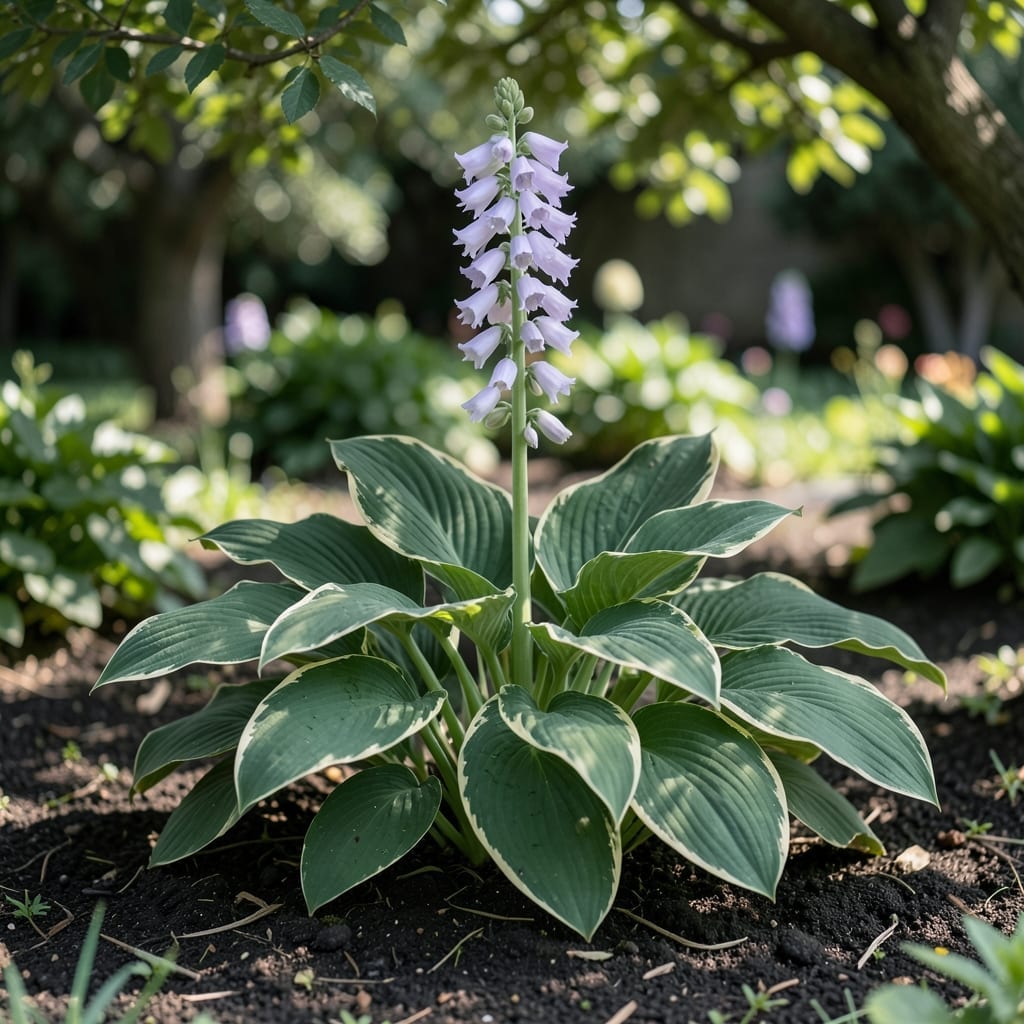
Hostas are beloved for their lush foliage, but their delicate blooms add an unexpected burst of color to shady gardens. Knowing when to expect these flowers can help you plan a breathtaking display.
I’ve watched my 🌿 Hosta transform from leafy greens to vibrant blooms year after year. The timing isn’t random—it’s influenced by variety, climate, and care.
Whether you’re in zone 3-9 or just starting your gardening journey, understanding these factors can make all the difference. Let’s discover what sets the stage for those stunning summer flowers.
From early varieties to late bloomers, I’ll share how to maximize your Hosta’s flowering potential. Get ready to see your garden in a whole new light.
I love how hostas transform a shady garden with their vibrant foliage and delicate blooms. But many gardeners don’t realize these perennial favorites have distinct bloom times by variety.
From early summer to late season, each hosta type follows its own flowering schedule. This timing can shift based on your climate zone and growing conditions.
| Variety | Bloom Time | Flower Color |
|---|---|---|
| Hosta sieboldiana | Early Summer | Lavender |
| Hosta plantaginea | Late Summer | White |
| Hosta lancifolia | Mid to Late Summer | Purple |
| Hosta ventricosa | Midsummer | Lavender |
In my garden, Hosta sieboldiana starts blooming in early June, while Hosta plantaginea waits until August. This staggered timing creates a long-lasting display of color.
Your USDA zone plays a big role. In cooler zones, blooms may appear 2-3 weeks later than in warmer regions. I’ve noticed my zone 5 hostas bloom about 10 days earlier than friends’ in zone 3.
Soil conditions and sunlight exposure also influence timing. Hostas in rich, moist soil with partial shade tend to bloom more reliably and vibrantly than those in dry or full sun spots.
For the earliest blooms, I recommend Hosta lancifolia. Its narrow leaves and purple flowers appear in mid-July in most gardens. This variety is also slug-resistant, making it a low-maintenance choice.
If you want late-season color, Hosta plantaginea is perfect. Its fragrant white flowers bloom in August and can perfume your garden on summer evenings.
Remember, mature hostas bloom more consistently than young plants. I’ve found that 3-year-old clumps produce the most flowers. Patience truly pays off with these shade-loving beauties.
To track your hosta bloom times, keep a garden journal. Note when flower stalks emerge and when blooms fully open. This helps you predict future displays and plan companion plants 🌿
I love how hosta blooms can transform a shady garden with their delicate lavender or white flowers. With a few simple tricks, you can extend their blooming season significantly.
One of my favorite methods is deadheading spent blooms. This encourages the plant to redirect energy into producing more flowers rather than seeds.
I’ve found that proper fertilization makes a huge difference. Use a balanced fertilizer in early spring, then light applications every 4-6 weeks during growing season.
Light conditions are crucial too. While hostas love shade, 4-6 hours of filtered sunlight daily helps maximize blooms without scorching leaves.
Don’t forget about soil moisture. Hostas prefer consistently moist but well-draining soil. Mulching helps retain moisture while keeping roots cool.
Finally, if your hostas seem less vigorous, try dividing them. This rejuvenates the plants and often results in more abundant blooms the following year. ✂️