
Beautiful Plants For Your Interior
Beautiful Plants For Your Interior
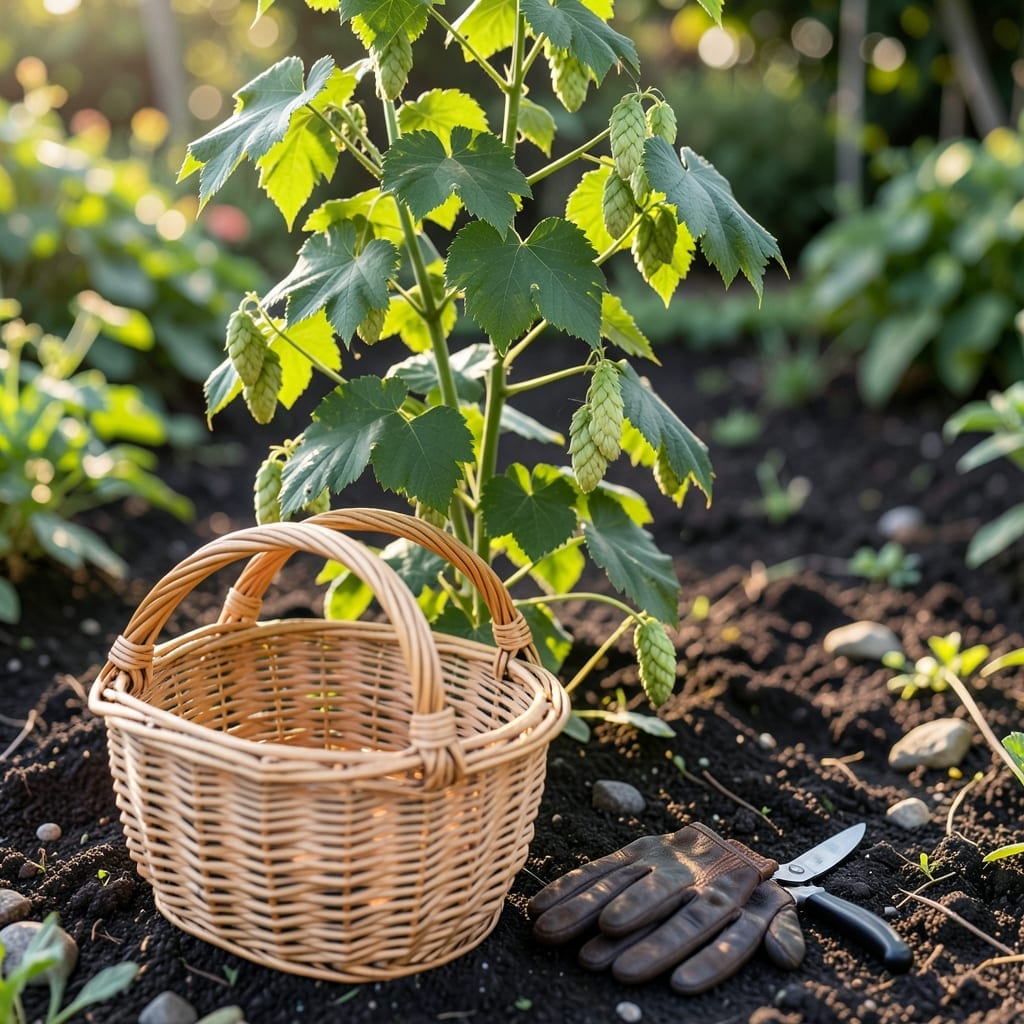
Ever wonder why your homebrew sometimes misses that perfect aromatic punch? The answer often lies in when you pick your hops. Timing this just right can transform your beer from good to unforgettable.
With 🍺 Hops, the difference between a bitter brew and a flavorful masterpiece often comes down to harvest time. Watching for subtle changes in the cones makes all the difference.
I’ve learned that the best hops come when the cones feel dry and papery, with a rich, earthy scent. It’s not just about the calendar—it’s about what you see and smell.
Let me show you how to spot these signs so you can harvest at peak perfection every time. Your future brews will thank you.

Timing your hops harvest perfectly ensures the best flavor and aroma for your brews. The key is watching for visual and tactile cues that signal peak maturity in the cones.
As late summer approaches, hops cones transition from dark green to a lighter, papery texture. This color shift is your first clue that harvest time is near.
| Harvest Sign | Description |
|---|---|
| Cone color | Shifts to light green or yellow |
| Texture | Dry and papery to touch |
| Aroma | Strong hoppy scent develops |
| Lupulin | Yellow powder visible inside |
I always check for lupulin dust, a yellow powder inside the cones. This is a sure sign of peak ripeness and high alpha acid content, crucial for brewing.
The squeeze test is another reliable method. Gently press a cone—if it springs back and feels light and dry, it’s ready. If it stays compressed or feels damp, wait a few more days.
Aroma is equally important. Ripe hops emit a distinct hoppy fragrance. If the scent is weak or grassy, the cones aren’t at their peak yet. Trust your nose on this one!
For Cascade hops, I’ve found they’re usually ready in early to mid-September. Centennial often follows a week later. These timelines can shift based on your climate zone.
If you’re growing in a cooler climate, expect a later harvest. In warmer regions, hops may mature 1-2 weeks earlier. Always adjust for local conditions.
Harvesting too early results in grassy, vegetal flavors. Waiting too long can lead to overly bitter or moldy cones. Aim for that sweet spot where all signs align.
Once you’ve confirmed readiness, pick cones in the morning after the dew has dried. This helps preserve their essential oils and aromatic qualities for brewing. ☀️
Testing your hops for harvest readiness is simpler than you think. I rely on the squeeze test first—gently press a cone. If it springs back, it’s likely ready. If it stays compressed, it needs more time on the vine.
Another method I swear by is the paper bag test. Place a few cones in a paper bag and leave them for a day. If they feel dry and papery afterward, they’re at peak maturity. This mimics the natural drying process after harvest.
The aroma check is my favorite. Ripe hops develop a strong, resinous scent that’s unmistakable. If the cones smell fresh or grassy, they’re not ready yet. This aroma is tied to the lupulin content, which is key for brewing.
Avoid harvesting too early—you’ll miss out on alpha acids that give beer its bitterness. But wait too long, and the cones can become overdry and brittle, losing their aromatic oils. It’s all about that sweet spot.
For Cascade hops, I start testing in late August, while Centennial often needs until early September. Climate plays a role too—hotter areas may see earlier harvests. Always trust the cones over the calendar.
If you’re unsure, pick a few cones and test them. The more you practice, the better you’ll get at spotting that perfect harvest window. Your beer’s flavor will improve with each season’s experience.☀️