
Beautiful Plants For Your Interior
Beautiful Plants For Your Interior
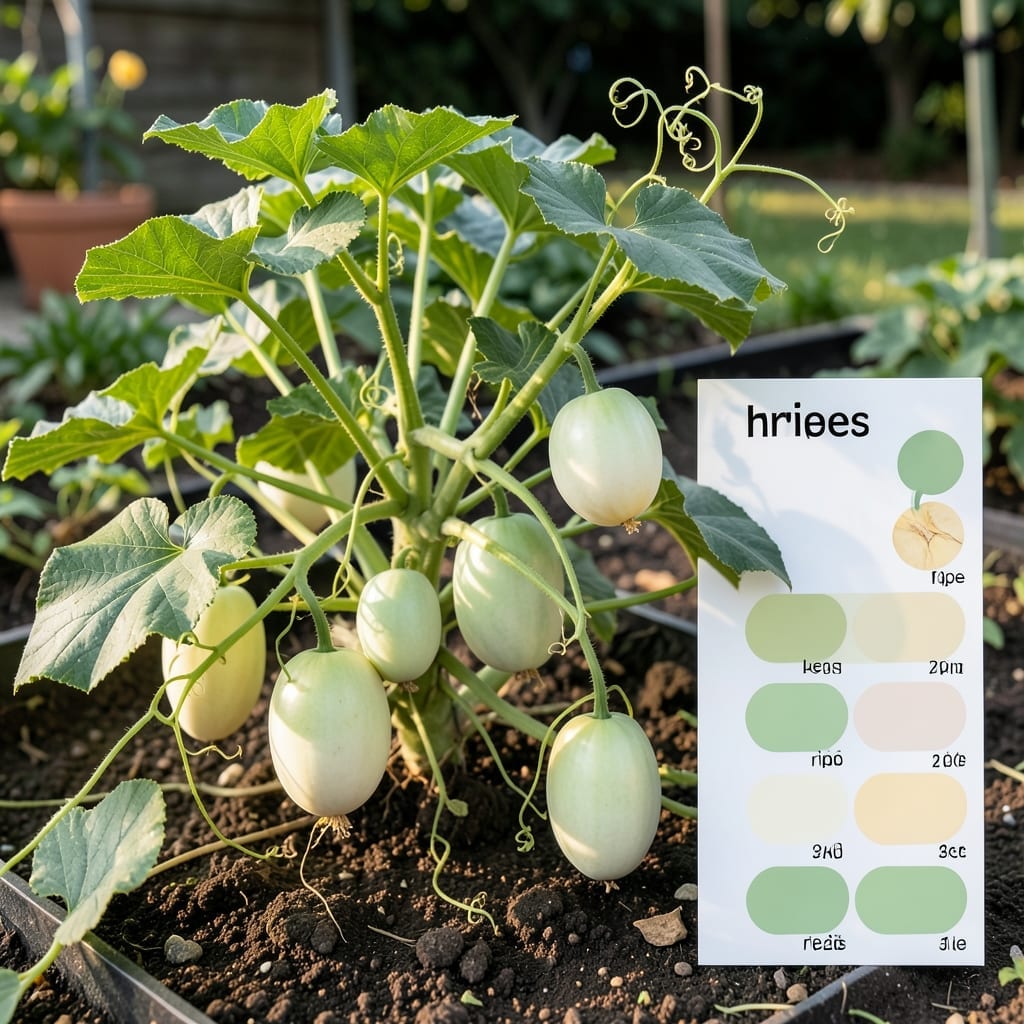
Nothing beats the disappointment of cutting into a Honeydew Melon 🍈 that isn’t quite ready. I’ve been there, staring at a pale, underripe fruit when I was craving that sweet, juicy burst.
Timing is everything with these summer favorites. Picking too early or too late can ruin weeks of careful tending in your garden.
That’s why getting the harvest window right is so important. With the right approach, you’ll know exactly when your melons are at their peak.
Discover the simple signs that take the guesswork out of harvesting. Your taste buds will thank you for the difference.


I’ve found that the color change is the first clue that your honeydew melon is nearing ripeness. Look for the rind to shift from deep green to a pale yellow or creamy white hue. This transformation signals that the sugars inside are developing beautifully. ☀️
The stem end of the melon is another critical indicator. When ripe, it will feel slightly soft to the touch, almost like the give of a ripe avocado. This is different from the blossom end, which remains firm even when the fruit is ready to harvest. 🌱
| Ripeness Sign | Ready Indicator | Not Ready Indicator |
|---|---|---|
| Rind Color | Creamy white or pale yellow | Deep green |
| Stem End | Slightly soft, separates easily | Hard, doesn’t separate |
| Aroma | Sweet melon scent at stem end | No aroma or faint smell |
| Veins on Rind | Yellow or pale | Green |
| Weight | Feels heavy for its size | Feels light |
Don’t overlook the aroma test—a ripe honeydew will emit a sweet, musky fragrance at the stem end. If you don’t smell anything, give it a few more days. This scent is a sure sign that the sugar content has peaked. 🌿
Another trick I use is the vein color check. The green veins running along the rind will turn yellow or pale as the fruit matures. This is a subtle but reliable visual cue that often gets missed by beginner gardeners.
Weight is also telling. A ripe honeydew will feel heavy for its size, indicating it’s full of juice. Compare it to an unripe melon of similar size if you’re unsure. This is one of the easiest ways to confirm ripeness without cutting it open.
Gardeners often make the mistake of harvesting too early because they’re eager to taste their hard work. But patience pays off—honeydews won’t continue ripening once picked, so wait until all signs align. I’ve learned this the hard way more than once!
The slip stage is the gold standard for harvest timing. When the stem separates from the vine with gentle pressure, your honeydew is at its peak. This natural detachment means the fruit is ready to be enjoyed at its sweetest.
If you’re growing multiple vines, check the earliest planted melons first. They’ll often ripen before later plantings, even if they’re the same variety. This staggered ripening is normal and gives you a longer harvest window. ✂️
Remember that cool temperatures can slow ripening, while excessive heat might speed it up. Adjust your checks accordingly if you’ve had unusual weather. Consistency in monitoring will help you nail the perfect harvest every time.
Timing your honeydew harvest perfectly starts with knowing your variety. Each honeydew type has its own maturity timeline, and I’ve found that tracking days to harvest helps avoid guesswork. Most varieties need 70-90 days from planting to ripeness.
Growing zones also affect your schedule. In cooler zones, you might add 10-14 extra days to the standard timeline. I always recommend checking your local frost dates to plan accordingly.
| Variety | Days to Maturity | Best For |
|---|---|---|
| Earlidew | 70-75 days | Early harvest |
| Honey Brew | 78-82 days | Container growing |
| Cream of Saskatchewan | 80-85 days | Cool climates |
| Tam Dew | 85-90 days | Disease resistance |
For the best results, I plant my honeydew seeds when the soil temperature reaches at least 70°F. This ensures the seeds germinate quickly and the plants establish strong roots before fruiting begins.
If you’re in a region with a shorter growing season, consider starting seeds indoors 3-4 weeks before the last frost. This gives your plants a head start and helps them reach maturity before the first frost arrives.
I always mark my planting date on a calendar and count forward using the days to maturity for my variety. This simple method helps me anticipate harvest time and monitor my plants for ripeness signs as the date approaches.
Remember, these timelines are guidelines. Weather conditions, soil quality, and watering practices can all influence how quickly your honeydew matures. Stay observant and flexible in your approach 🌱