
Beautiful Plants For Your Interior
Beautiful Plants For Your Interior
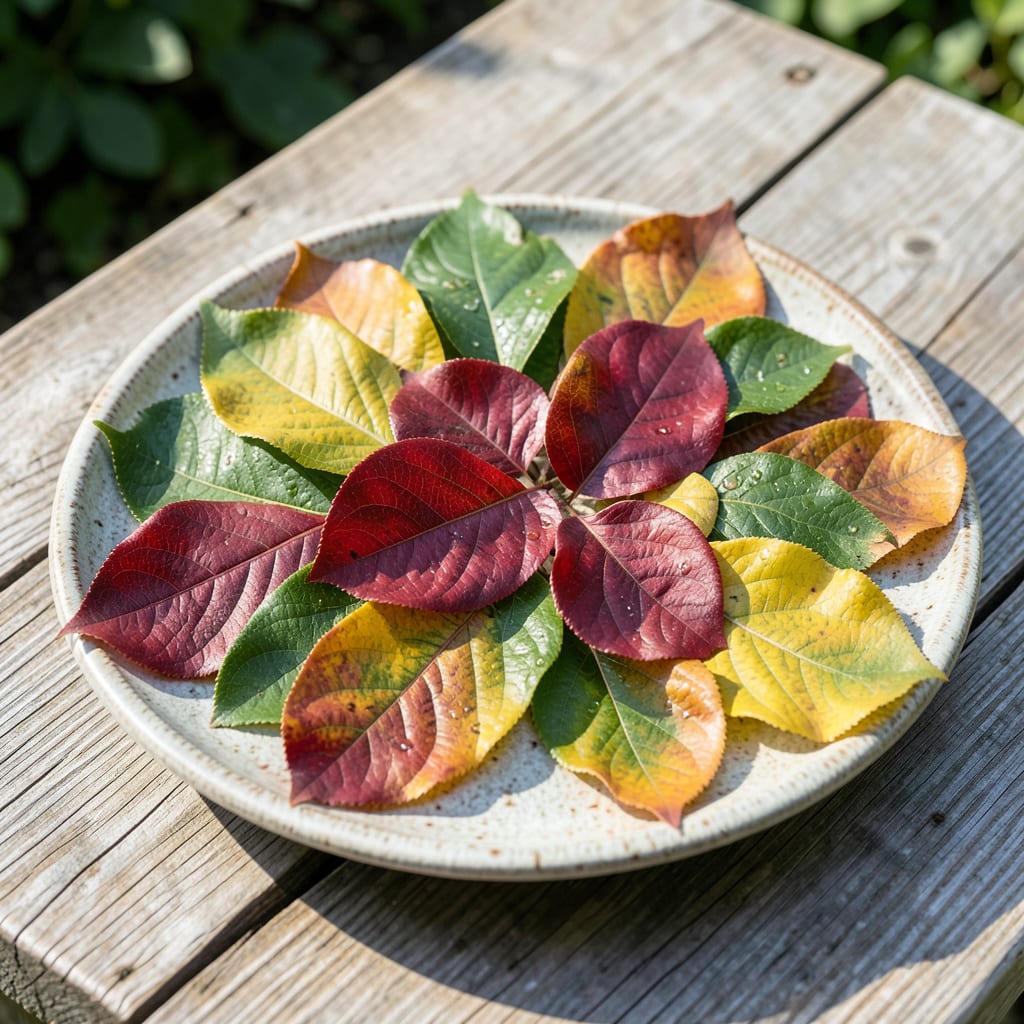
Yellowing and curling leaves on your Honeycrisp apple tree aren’t just eyesores—they’re SOS signals. I’ve seen healthy trees turn sickly overnight from missed warnings.
Most issues trace back to 3 common culprits: pests hiding underside, fungal invaders, or nutrient gaps in the soil. Fix the root cause, and those leaves bounce back faster than you’d expect.
📚 In This Guide
Here’s how I approach leaf problems systematically, from close inspection to targeted solutions.
Start by identifying the exact nature of the leaf distress. Yellowing often indicates a nutrient deficiency or overwatering, while curling can signal pest pressure or environmental stress. I look for patterns: are the oldest leaves affected first, or is the damage concentrated on new growth?
Check the undersides of leaves for fine webbing, which suggests spider mites, or small green aphids clustered along veins. Note whether yellowing occurs between veins (likely iron deficiency) or uniformly across the leaf (possibly nitrogen deficiency). This close observation directs your next steps.
Honeycrisp trees thrive in full sun and well-draining soil. If leaves are yellowing with green veins, test your soil pH—apple trees prefer 6.0-7.0. A pH outside this range can lock out essential nutrients even if they’re present in the soil.
Consider recent weather: prolonged wet conditions can lead to root rot, while drought stress causes leaf curl and browning at the edges. I’ve found that inconsistent watering—swinging between bone-dry and soggy—is a common culprit for leaf stress.
Curling leaves often shelter pests like aphids or apple maggots. Gently unfold a few curled leaves to inspect for tiny insects or their eggs. Powdery mildew appears as a white, powdery coating on leaf surfaces, while apple scab creates dark, scabby spots.
For pests, a strong blast of water can dislodge aphids, but a horticultural oil spray may be necessary for heavier infestations. Fungal issues like powdery mildew require improving air circulation and possibly applying a fungicide labeled for fruit trees.
A soil test is the most reliable way to confirm nutrient deficiencies. Nitrogen deficiency typically causes uniform pale yellow leaves, while potassium deficiency leads to yellowing at leaf edges. Iron deficiency, common in alkaline soils, causes yellowing between veins in new leaves.
If testing isn’t an option, I apply a balanced fertilizer formulated for fruit trees, following package instructions carefully. Over-fertilizing can burn roots and worsen leaf problems. Also, consider adding organic matter like compost to improve soil structure and nutrient availability.
Based on your diagnosis, take targeted action. For nutrient deficiencies, apply the appropriate amendment—chelated iron for iron deficiency, for example. Adjust watering practices to maintain consistent soil moisture, aiming for 1-2 inches of water per week, including rainfall.
Prune out any severely damaged or diseased leaves and branches, sterilizing your pruners between cuts with rubbing alcohol. Remove fallen leaves and debris from around the tree to reduce overwintering pests and disease spores. Monitor the tree’s response over 2-3 weeks—improvement in new growth indicates your solution is working.
These observations from years of tending apple trees will help you pinpoint issues faster.
Diagnostic Shortcut: In Step 1, focus on the pattern of leaf damage first—old leaves yellowing suggests nitrogen deficiency, while new leaves with green veins indicate iron issues. This quick assessment saves time and prevents misdiagnosis.
Environmental Clue: For Step 2, remember that Honeycrisp trees in full sun with well-draining soil still need consistent moisture. The 1-2 inches of weekly water mentioned in Step 5 isn’t just a guideline—it’s critical for preventing stress-related leaf curl.
Pest Inspection Tip: When checking for pests in Step 3, examine curled leaves carefully. Aphids often hide in these natural shelters, and early detection means a simple water blast might resolve the issue before resorting to sprays.
Monitoring Strategy: The 2-3 week observation period in Step 5 is your best indicator of success. Track new growth specifically—improvement here confirms your corrective measures are working, while stagnation suggests a need for reassessment.
Yellowing leaves often indicate overwatering, nutrient deficiency (like nitrogen), or poor drainage. Check soil moisture and fertilize if needed. A soil test can pinpoint the issue.
Act quickly! Curling leaves may signal pests (aphids, mites) or fungal diseases like apple scab. Treat with neem oil or fungicide at the first sign, ideally in early spring or summer.
Consider disease-resistant varieties like Liberty or Enterprise. Ensure proper spacing and air circulation to prevent recurring issues.
Prune regularly for airflow, water deeply but infrequently, and mulch to retain moisture. Remove fallen leaves to prevent fungal spores from overwintering.
Yes, but act fast! Prune affected branches, improve cultural care, and apply treatments. Severe cases may need professional help to revive the tree.
