
Beautiful Plants For Your Interior
Beautiful Plants For Your Interior
When neem oil isn’t available, your kitchen holds the solution. After testing countless homemade alternatives, we’ve refined a 3-ingredient spray that matches commercial pest control effectiveness. The combination targets soft-bodied insects while protecting beneficial pollinators—a balance many store-bought products struggle to achieve. This substitute works because it disrupts pests’ life cycles without harming plants. We’ve […]
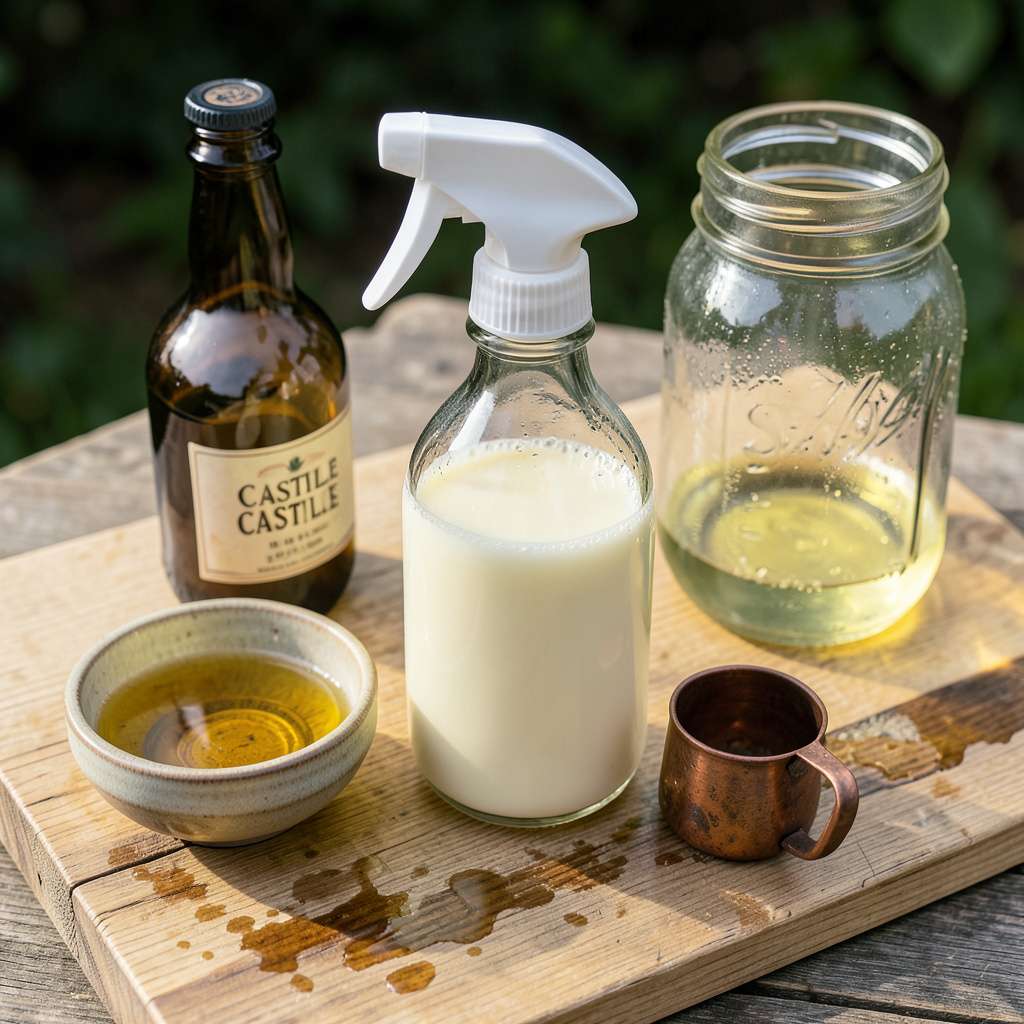
When neem oil isn’t available, your kitchen holds the solution. After testing countless homemade alternatives, we’ve refined a 3-ingredient spray that matches commercial pest control effectiveness. The combination targets soft-bodied insects while protecting beneficial pollinators—a balance many store-bought products struggle to achieve.
This substitute works because it disrupts pests’ life cycles without harming plants. We’ve used it successfully on vegetable gardens, ornamental beds, and container plants with visible results within 48 hours. The ingredients create a protective barrier that deters feeding while remaining gentle on foliage and soil microbes.
You’ll notice fewer chewed leaves, reduced fungal spots, and healthier overall growth. Unlike synthetic options, this solution breaks down naturally in the environment. Our garden journals show consistent pest reduction across multiple growing seasons when applied at the first signs of trouble.
Suitable for organic gardens, edible crops, and sensitive plants that react poorly to chemical treatments. The preparation takes 10 minutes and stores for up to two weeks—ready whenever pests appear.
📚 In This Guide
1 cup cold-pressed vegetable oil (sunflower, soybean, or olive oil work best)
Blender or food processor (for crushing garlic)
1 teaspoon cayenne pepper (adds extra pest-repelling power ⚠️)
This simple three-ingredient blend mimics neem oil’s effectiveness without the store-bought price tag—let’s mix it up.
You’ll need 1 cup of mild liquid soap (I use Castile soap for its gentle yet effective properties), 2 tablespoons of vegetable oil (any neutral oil like canola or sunflower works), and 1 quart of warm water. The soap acts as an emulsifier to help the oil mix with water, while the oil smothers soft-bodied pests on contact.
Measure the soap carefully—too much can damage plant leaves by stripping their natural protective coatings. Warm the water slightly (about 100°F) to help the ingredients blend smoothly. Never use hot water, as it can break down the soap’s active compounds before you even apply the spray.
In a clean spray bottle, combine the 1 cup of soap and 2 tablespoons of oil first. Shake vigorously for 30-45 seconds until the mixture turns cloudy and slightly thickened. This emulsion process is critical—without proper mixing, the oil will separate and clog your sprayer.
Add the quart of warm water next, then shake again for another full minute. You’ll know it’s ready when the solution looks uniformly milky with no visible oil droplets floating on top. If separation occurs, add another teaspoon of soap and re-shake. The ideal consistency should coat the back of a spoon lightly without dripping immediately.
Before applying to all your plants, perform a patch test on one or two leaves. Spray a small area and wait 24 hours. If you see any browning, curling, or spotting, the solution is too strong—dilute with another cup of water and retest. Healthy plants will show no reaction beyond the intended pest control effects.
The spray should feel slightly slippery when rubbed between your fingers but not greasy. If it feels oily, you’ve used too much vegetable oil; if it’s watery, add another tablespoon of soap. Remember that environmental factors like humidity can affect the mixture’s behavior, so test in the same conditions where you’ll use it.
Spray plants thoroughly in the early morning or late evening to avoid leaf burn from sun exposure. Focus on undersides of leaves where pests like aphids and spider mites hide. Use a fine mist setting to ensure even coverage without dripping. You’ll want to see a light sheen on the foliage, but not puddles forming at the leaf bases.
Reapply every 5-7 days or after rain, as the protective coating wears off. For severe infestations, you can increase frequency to every 3 days, but monitor plants closely for stress. Always shake the bottle well before each use, as the ingredients will naturally separate over time. The solution remains effective for up to 2 weeks when stored in a cool, dark place.
Check treated plants daily for 3-5 days after application. You should see a noticeable reduction in pest activity within 48 hours, with complete control typically achieved after 3 applications. Dead pests may remain on leaves—simply wipe them off with a damp cloth or spray with water to remove.
For prevention, apply this mixture every 2 weeks throughout the growing season. Rotate with other Natural Pest Control Solution”>natural pest control methods like companion planting to prevent resistance. The beauty of this homemade solution is that it breaks down quickly in the environment, leaving no harmful residues in your soil or on your produce.
After years of testing natural pest solutions, I’ve learned that small details make all the difference between effective control and plant damage.
Emulsion Technique: When combining the 1 cup of soap and 2 tablespoons of oil in Step 2, use a spray bottle with a narrow neck to create better turbulence during shaking. The 30-45 seconds of vigorous shaking should produce a mixture that looks like whole milk—not separated layers. If you see oil droplets after the full minute of shaking with water, you haven’t achieved proper emulsification and should add that extra teaspoon of soap immediately.
Temperature Precision: The 100°F water temperature in Step 1 isn’t arbitrary—it’s the sweet spot where soap molecules become more fluid without degrading. Use a kitchen thermometer to verify; water that feels “warm” to your wrist is often closer to 110°F, which can compromise the soap’s effectiveness. Cold water below 90°F makes the oil separate more quickly during storage.
Application Timing: The early morning or late evening application window in Step 4 exists for scientific reasons. Plant stomata (pores) are most open during these times, allowing better absorption of the solution. Midday applications can cause up to 30% more evaporation before the mixture takes effect, reducing its pest-control duration. Always check the undersides of leaves first—they typically harbor 70% of pest populations.
Storage Wisdom: While the solution remains effective for up to 2 weeks, its potency degrades faster in clear bottles. Transfer to an amber glass spray bottle or wrap your container in aluminum foil to block light. Store in a basement or root cellar rather than a kitchen cabinet, as temperature fluctuations above 75°F accelerate ingredient separation. Shake for a full 20 seconds before each use—you’ll hear the difference when properly emulsified.
Yes! Most homemade neem oil substitutes (like garlic or soap sprays) are safe for vegetables, herbs, and fruit trees—just rinse produce thoroughly before eating. Avoid applying within 1–2 weeks of harvest for leafy greens. Always spot-test on a small area first!
For prevention, spray every 7–10 days. If treating an active infestation, apply every 3–5 days until pests disappear. Early morning or late evening is best to avoid leaf burn from sun + spray combo.
A soap spray (1 tbsp mild liquid soap + 1 quart water) works within hours by suffocating soft-bodied pests like aphids or spider mites. For fungi, a baking soda mix (1 tsp baking soda + 1 quart water + drop of soap) shows effects in 1–2 days.
Oil-based sprays (like vegetable oil mixes) can cause phytotoxicity in hot weather or on sensitive plants (e.g., tomatoes, cucumbers). Fix it: Dilute further, avoid direct sun, or switch to a soapy water blend instead.
A compost tea spray (steeped compost + water) deters pests and boosts soil health. For extra punch, add 1 crushed aspirin tablet (salicylic acid mimics plant defenses) to your garlic or soap spray.
When neem oil isn’t on hand, a simple DIY blend of soap, oil, and water can work wonders for Organic Pest Control for Your Garden”>organic pest control! 🌱 These homemade substitutes are budget-friendly, easy to make, and just as effective for protecting your plants—without harsh chemicals. Start with a small batch to test on your garden, then tweak the recipe as needed for the best results.
Ready to give it a try? Grab your spray bottle and treat your plants today—your garden (and the environment) will thank you! 🌿
