
Beautiful Plants For Your Interior
Beautiful Plants For Your Interior
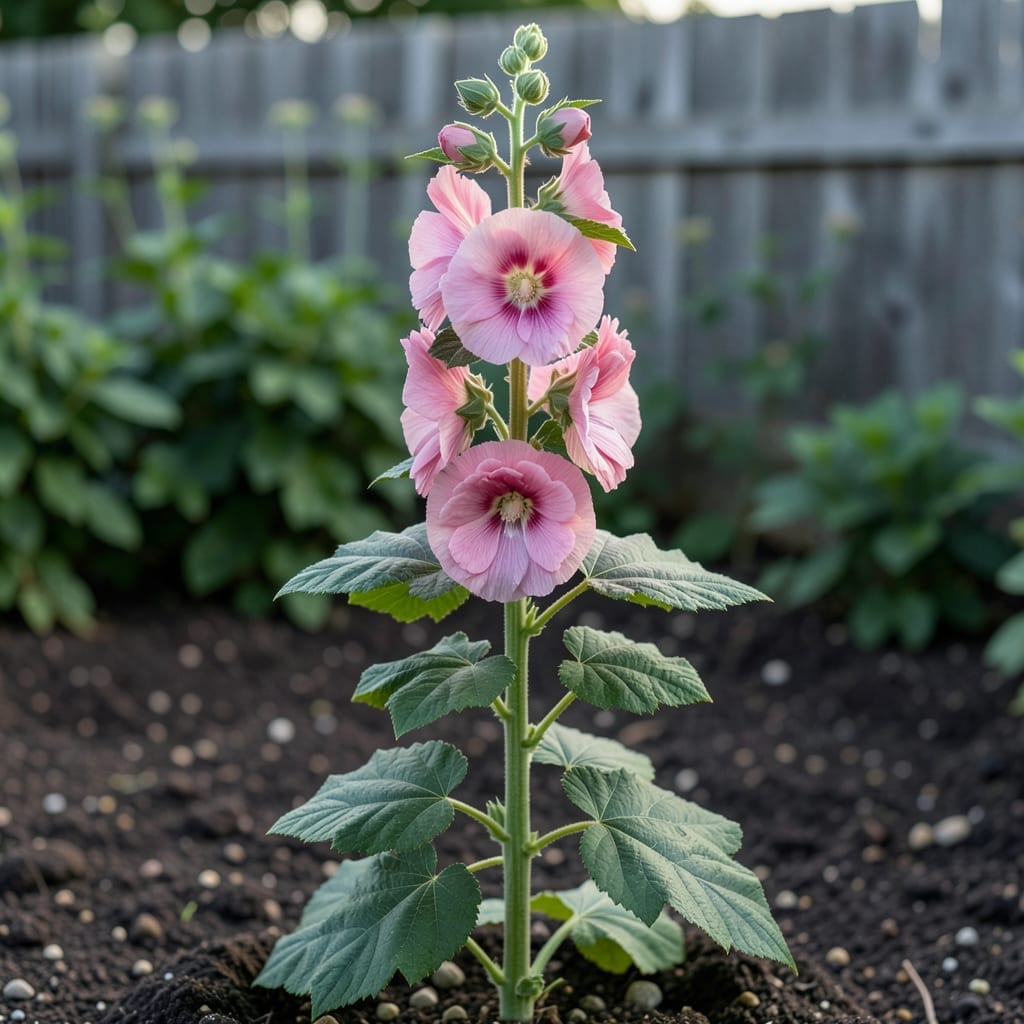
There’s something magical about watching Hollyhock 🌸 stalks transform into towers of vibrant color. These garden classics don’t just appear anytime – they follow nature’s clock with precision.
As a gardener, timing is everything when you want that perfect summer display. I’ve learned that understanding their natural rhythm makes all the difference in your planning.
From the first bud to the last petal, these flowers have a specific window when they truly shine. Knowing this schedule helps you create a garden that bursts with color exactly when you want it.
Discover how to align your planting and care with their natural bloom period. The results will speak for themselves in your garden’s most spectacular season yet.
I love how hollyhocks transform a garden with their tall flower spikes and vibrant colors. Their bloom time typically falls between early summer and early fall, depending on the variety and climate.
In most regions, you can expect hollyhock flowers to appear from June through August. Biennial varieties often bloom in their second year, while annual types may flower the same year if planted early enough.
| Variety | Bloom Time | Notes |
|---|---|---|
| Annual | June-September | Fast growers, 1st year blooms |
| Biennial | July-August | Blooms 2nd year from seed |
| Perennial | July-September | Zones 3-9, returns yearly |
Gardeners in warmer climates (USDA zones 7-9) may see earlier blooms, sometimes starting in late May. Cooler areas (zones 3-6) usually peak in mid-summer as the soil warms.
The Alcea rosea species, our common garden hollyhock, follows this pattern beautifully. I’ve found that succession planting every 2-3 weeks extends the display through September in my zone 6 garden.
For early blooms, start seeds indoors 6-8 weeks before the last frost. This gives plants a head start. Direct sowing works too, but expect flowers 60-90 days after planting in warm soil.
Different hollyhock cultivars offer varied timelines. The ‘Chaters Double’ series often blooms 2 weeks earlier than single-flower types. Dwarf varieties like ‘Majorette’ may flower slightly sooner as well.
I always note that soil temperature affects timing. Hollyhocks prefer 60-70°F soil for germination. In my experience, seeds planted in cool spring soil take longer to establish and bloom.
Regional microclimates matter too. My west-facing garden bed gets intense afternoon sun, which accelerates blooming by about 1 week compared to my shadier east-side planting. This sun exposure can make a noticeable difference in your hollyhock bloom time.
Remember that first-year plants focus on growth. You’ll see leafy rosettes but few flowers. The real show comes in year two for biennials, with stronger stems and more abundant blooms.
For continuous color, I mix annual and biennial types. This ensures flowers every year while building a permanent hollyhock presence in my garden
I’ve found that with a few simple tricks, you can enjoy Hollyhock blooms for weeks longer than their natural window. These towering beauties typically flower for 4-6 weeks, but gardeners can stretch that with smart care.
The key is working with their natural rhythm while giving them a little extra support. With the right approach, you might see color from early summer all the way through fall.
I start by removing spent flowers daily – this signals the plant to produce more rather than focusing on seed development. It’s amazing how responsive hollyhocks are to this simple practice.
For feeding, I switch to a balanced fertilizer when buds form, then continue every 4 weeks through the growing season. This gives them the nutrients they need for extended flowering.
Don’t forget about water – deep soaking at the base twice a week in hot weather prevents stress that can shorten the bloom period. Mulching helps retain that moisture too.
With these consistent efforts, I’ve managed to keep my hollyhocks blooming from June through September in my zone 6 garden. It’s all about giving them steady support.
Try succession planting too – sowing new seeds every 2-3 weeks ensures you’ll have fresh plants ready to bloom as older ones fade.