
Beautiful Plants For Your Interior
Beautiful Plants For Your Interior
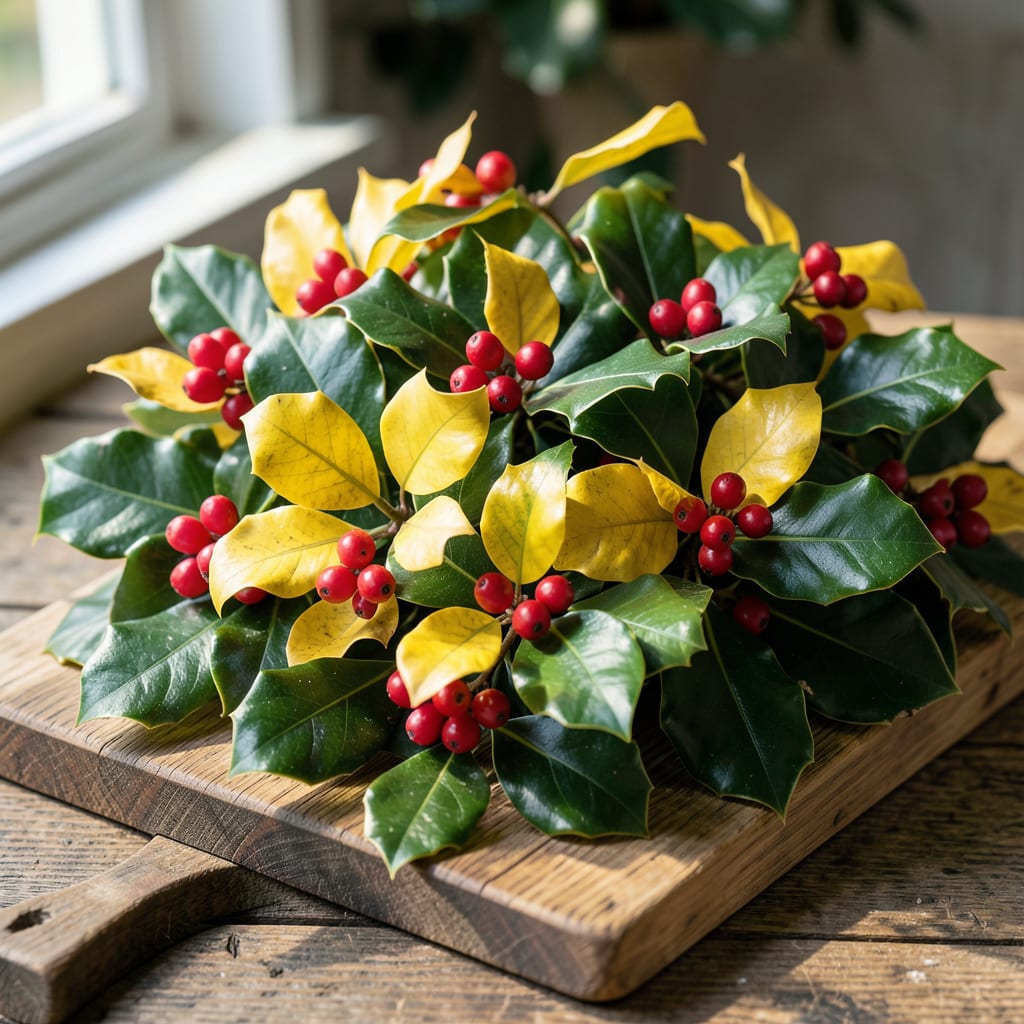
Yellow leaves on your holly shrub aren’t just unsightly—they’re a distress signal. I’ve seen this happen to even the hardiest hollies, and the good news is it’s usually fixable with the right diagnosis.
Most cases come down to 4 common culprits: nutrient shortages, water issues, pests, or disease. The trick is pinpointing which one you’re dealing with before the problem spreads to the rest of the plant.
Once you identify the cause, the solutions are straightforward. Adjust your watering, amend the soil, or treat the pest—and you’ll often see green growth returning within weeks.
Prevention keeps it from happening again. Regular soil tests and consistent care make all the difference for long-term healthy foliage.
Yellow leaves on your holly shrub are a distress signal, often tied to environmental stress or care gaps. Below are the most common causes, explained with clear, science-backed reasoning.
Holly roots need oxygen. When soil stays soggy, roots suffocate and rot, blocking nutrient uptake. This triggers chlorosis (yellowing) as chlorophyll production stalls. Check drainage: If water pools after rain or irrigation, amending soil with compost or installing a French drain can restore balance.
Hollies thrive in slightly acidic soil (pH 5.0–6.0). High pH locks out iron and manganese, essential for chlorophyll. A soil test confirms deficiencies. Fix it with chelated iron supplements or sulfur-based amendments to lower pH. Nitrogen deficiency (uniform yellowing) may require a slow-release fertilizer.
While hollies love light, intense afternoon sun—especially in hot climates—can scorch leaves, turning them yellow or brown. Transpiration outpaces water uptake, causing stress. Solution: Provide dappled shade during peak heat or mulch heavily to retain moisture.
Spider mites, scale, and miner insects sap nutrients from leaves, leading to stippling, yellowing, or premature drop. Inspect leaf undersides for webbing or sticky residue (honeydew). Act fast with horticultural oil or insecticidal soap to disrupt pests without harming beneficial insects.
Cold winds and freeze-thaw cycles dehydrate evergreen hollies, causing yellow or bronze foliage. This is common in exposed sites. Prevent it by wrapping shrubs in burlap or applying an anti-desiccant spray before winter.
Tackling yellow leaves on your holly shrub starts with identifying the root cause. Below are targeted solutions for common issues, paired with prevention tips to keep your plant thriving.
If yellowing occurs between the veins of older leaves, your holly may lack iron or nitrogen. Apply a balanced, slow-release fertilizer (10-10-10) in early spring. For iron deficiency, use chelated iron as a soil drench or foliar spray. Prevention tip: 💡 Test soil pH annually—holly prefers acidic soil (5.0–6.0). Amend with sulfur or peat moss if needed.
Overwatering or drought can both cause yellowing. Check soil moisture 2 inches deep—it should feel damp but not soggy. Adjust watering to 1–1.5 inches per week, including rainfall. For poor drainage, mix in compost or sand to improve soil structure. Prevention tip: ✨ Mulch around the base with 2–3 inches of organic mulch to retain moisture and regulate temperature.
Spider mites, scale, or leaf miners can weaken holly, leading to discoloration. Spray leaves with a strong blast of water to dislodge pests, or apply neem oil or insecticidal soap weekly until gone. For fungal issues (e.g., leaf spot), remove infected leaves and treat with a copper-based fungicide. Prevention tip: 🎯 Space plants for airflow and avoid overhead watering to reduce humidity.
Too much sun can scorch leaves, while too little causes chlorosis. Move potted hollies to partial shade (4–6 hours of sunlight) if leaves appear bleached. In cold climates, protect shrubs with burlap wraps in winter to prevent freeze damage. Prevention tip: 🌡️ Plant hollies in a spot matching their USDA hardiness zone (typically 5–9).
This pattern often signals an iron deficiency, common in hollies planted in alkaline soil. Test soil pH and apply chelated iron if needed.
Yes, soggy soil suffocates roots, blocking nutrient uptake. Let soil dry slightly between waterings and ensure good drainage.
Spider mites, scale, and leaf miners are common culprits. Check leaf undersides and treat with neem oil or insecticidal soap.
Severely yellow leaves won’t recover, but fixing the underlying issue will promote new, healthy growth. Remove damaged foliage to redirect energy.
