
Beautiful Plants For Your Interior
Beautiful Plants For Your Interior
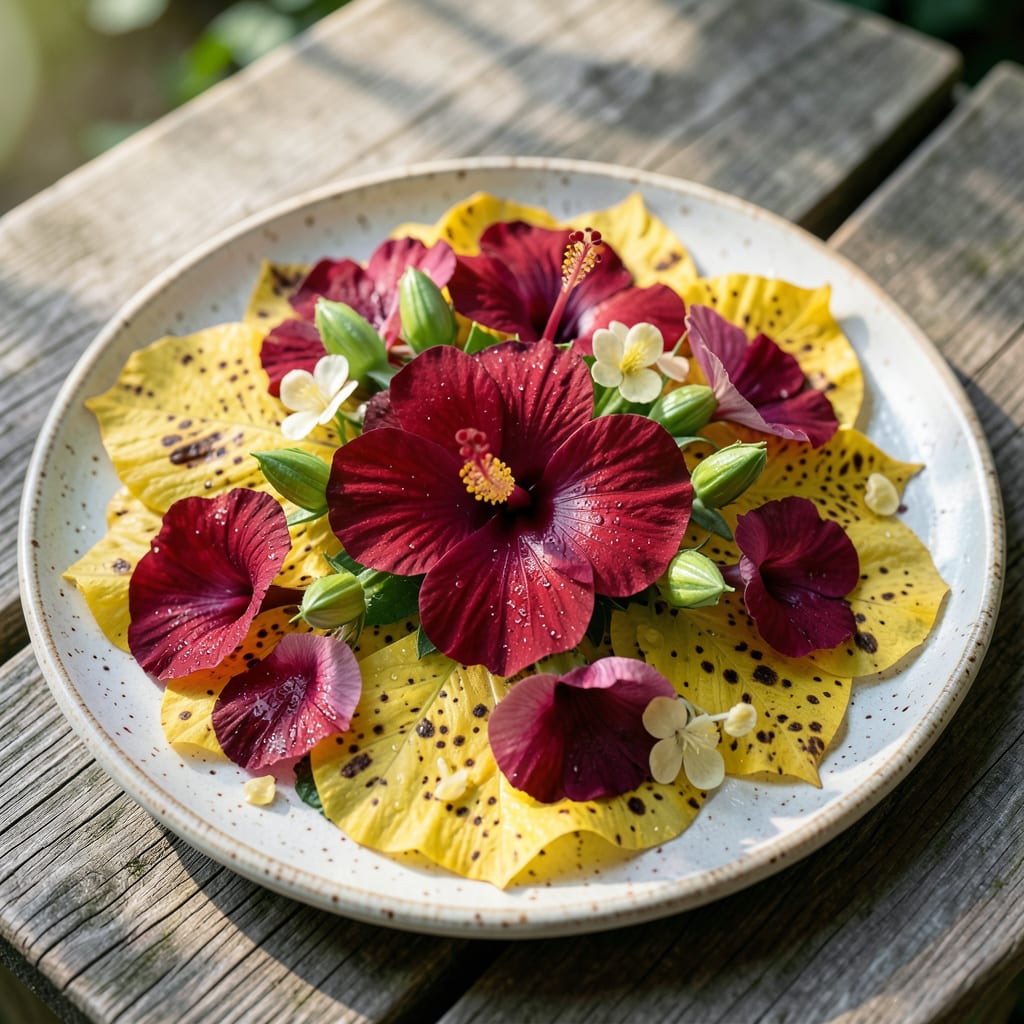
My hibiscus went from lush to sad in 2 weeks—yellow leaves with brown spots everywhere. Turns out, it’s usually one of four things: water stress, nutrient issues, pests hiding under leaves, or a sneaky fungal infection.
I’ve fought this battle multiple times, and each cause has a tell. Overwatering leaves yellow with mushy brown edges. Spider mites leave tiny dots that merge. Fungal spots often have halo rings around the brown.
Fixing it starts with diagnosis. Check the soil moisture first. Look under leaves with a magnifying glass. Then treat with organic solutions like neem oil or adjusted watering. Recovery takes 1-2 weeks once you hit the right fix.
Prevention is simpler than cure. Good airflow, consistent watering, and regular leaf checks keep most problems from starting in the first place.
Hibiscus leaves turning yellow with brown spots often signal underlying stress or disease. Below are the most common causes, explained with actionable insights.
Yellowing leaves (chlorosis) with brown spots frequently stem from magnesium or potassium deficiencies. Magnesium is vital for chlorophyll production, and its lack causes interveinal yellowing. Potassium supports water regulation and disease resistance; deficiency leads to leaf edge browning. Test soil with a kit—hibiscus thrives in slightly acidic soil (pH 6.0–6.5). Amend with Epsom salt (magnesium sulfate) or composted banana peels (potassium-rich).
Extreme temperatures, drought, or waterlogging disrupt nutrient uptake. Hibiscus prefers 70–85°F and consistent moisture. Brown spots often appear after sunscald (intense direct sunlight) or cold drafts (below 50°F). Ensure partial shade in hot climates and protect from wind. Overwatering suffocates roots, causing yellowing; let the top inch of soil dry between waterings.
Pathogens like Cercospora or Alternaria cause circular brown spots with yellow halos. These thrive in high humidity and poor airflow. Remove infected leaves immediately to prevent spread. Improve circulation by pruning dense foliage and avoid overhead watering. Apply neem oil or copper fungicide as a preventive measure, especially during wet seasons.
Sap-sucking pests such as spider mites, aphids, or whiteflies weaken plants, leading to yellowing and stippled brown spots. Check leaf undersides for webbing (mites) or sticky residue (aphids). Blast pests off with water or use insecticidal soap. Introduce beneficial insects like ladybugs for long-term control.
Here’s how to tackle hibiscus yellow leaves with brown spots based on the underlying cause, plus tips to keep your plant thriving long-term.
Yellowing leaves often signal a lack of nitrogen, magnesium, or iron. Use a balanced, water-soluble fertilizer (10-10-10 or 20-20-20) every 2–4 weeks during growing season. For iron deficiency (common in alkaline soil), apply chelated iron or sprinkle used coffee grounds around the base. Prevention tip: 💡 Test soil pH annually—hibiscus prefers slightly acidic (6.0–6.5).
Soggy roots cause yellowing and brown spots. Let the top 1–2 inches of soil dry between waterings. Ensure pots have drainage holes, and use well-draining potting mix (add perlite or sand). Prevention tip: ✨ Water in the morning to allow foliage to dry by evening, reducing fungal risks.
Brown spots with yellow halos? Prune infected leaves (sterilize shears with rubbing alcohol between cuts). Spray with neem oil (1 tbsp per gallon of water) or baking soda solution (1 tsp baking soda + 1 quart water + a few drops of dish soap) weekly until symptoms fade. Prevention tip: 🌡️ Space plants for airflow and avoid overhead watering.
Check leaf undersides for aphids, spider mites, or whiteflies. Blast them off with water, then apply insecticidal soap or horticultural oil. For severe cases, introduce beneficial insects like ladybugs. Prevention tip: 🎯 Inspect new plants before bringing them near your hibiscus.
Too much direct sun can scorch leaves, while too little causes chlorosis. Move potted hibiscus to bright, indirect light (or dappled shade outdoors). Acclimate plants gradually to new light conditions. Prevention tip: 🌿 Rotate pots weekly for even light distribution.
Check leaf undersides with a magnifying glass for tiny pests or webbing. Pests often cause stippled brown spots, while fungal infections create circular spots with yellow halos.
Yes, with proper care! Most plants bounce back in 1-2 weeks once the underlying issue is addressed. Remove severely damaged leaves to redirect energy to healthy growth.
A baking soda solution (1 tsp per quart of water) works for fungal issues. Neem oil tackles both pests and fungi. Always test on a small area first.
Water when the top 1-2 inches of soil feel dry. Overwatering causes yellowing and root rot, so ensure pots have drainage holes.
