
Beautiful Plants For Your Interior
Beautiful Plants For Your Interior
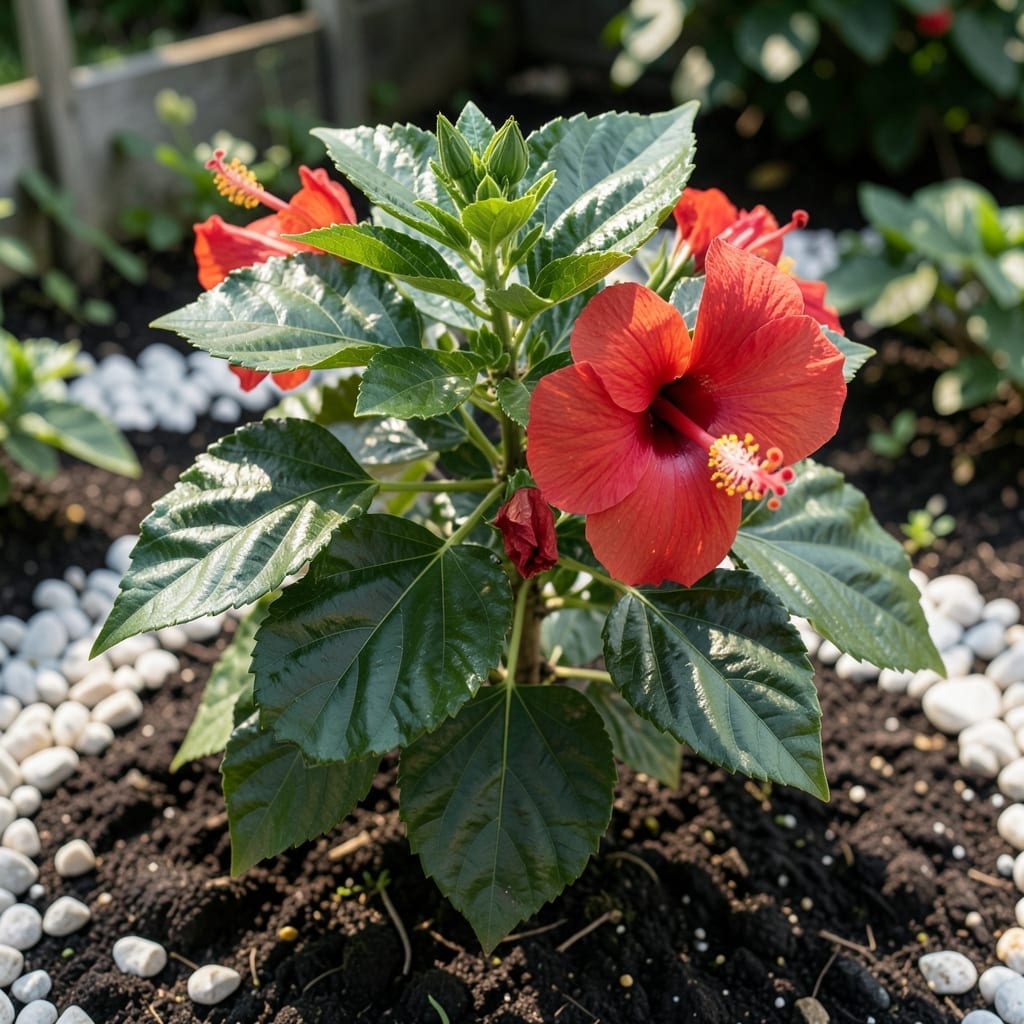
Watching your 🌺 Hibiscus struggle with too little or too much sunlight can be frustrating. The right balance makes all the difference for those vibrant blooms we all love.
I’ve seen gardeners transform their plants simply by adjusting light exposure. Whether you’re in zone 5-11 or just starting out, getting this right is the key to thriving Hibiscus.
Discover how to create the perfect conditions for maximum flowers. Let’s make your garden the talk of the neighborhood.
 Best Window Placement
If you want your hibiscus to thrive, sunlight is key. Most varieties need 6+ hours of direct sun daily for those stunning blooms we all love. Without enough light, they’ll grow leggy and produce fewer flowers.
Tropical hibiscus can handle more heat, while hardy hibiscus prefer a bit of afternoon shade in scorching climates. I’ve seen both types flourish when given the right balance of light and protection.
| Variety | Sunlight Needs | Notes |
|---|---|---|
| Tropical Hibiscus | Full sun | Needs 6-8 hours of direct sunlight |
| Hardy Hibiscus | Full sun to partial shade | Prefers morning sun and afternoon shade |
| Dwarf Hibiscus | Partial sun | Thrives with 4-6 hours of sunlight |
In my experience, morning sunlight is the best for hibiscus. It’s less intense and helps dry the foliage, reducing the risk of fungal diseases. If your garden gets harsh afternoon sun, consider planting in a spot with some dappled shade.
Partial shade can work, but too little light will result in sparse blooms and weak stems. I’ve noticed that hibiscus in shadier spots often need more water, as the soil stays moist longer without direct sun.
For container-grown hibiscus, you have more control. Move pots to follow the sun or provide shade during the hottest part of the day. This flexibility is one reason I love growing them in containers on my patio.
If you’re in USDA zones 5-11, you’re in luck—hibiscus can thrive in your area. Just adjust for your specific climate. In hotter zones, afternoon shade is a must, while cooler areas can handle more direct sun.
Remember, light intensity matters as much as duration. A south-facing window or a spot with unobstructed sunlight is ideal. If your hibiscus isn’t blooming, check if it’s getting enough bright, direct light.
I always recommend observing your garden’s light patterns before planting. Track how the sun moves across your yard to find the perfect spot for your hibiscus. A little planning goes a long way!
With the right sunlight, your hibiscus will reward you with vibrant, abundant blooms all season long. It’s amazing how quickly they respond to ideal conditions, often blooming within weeks of adjustment. ☀️
Your hibiscus gives clear signals when its light needs aren’t met. I notice yellowing leaves often appear with too much direct sun, while sparse blooms suggest insufficient light. These signs are your plant’s way of asking for help.
Leggy growth with long stems and few leaves typically means your hibiscus is stretching for more light. In my garden, I’ve seen this happen when a nearby tree grew taller, casting unexpected shade over my plants.
⚠️ Warning: Light Stress Signs
Too much sun: Brown leaf edges, wilting in heat
Too little light: No flowers, pale leaves, weak stems
Solution: Adjust location gradually over 1-2 weeks
Wilting during peak sun can indicate sunburn, especially in young plants. I always recommend providing temporary shade during the hottest part of the day in extreme climates. A simple shade cloth can work wonders.
Leaf drop is another red flag. If your hibiscus is shedding leaves, check both light exposure and watering habits. Often, it’s a sign of stress from either too much or too little sunlight.
For container-grown hibiscus, I find that moving pots to follow the sun works well. If you notice uneven growth, rotate your pots weekly. This simple step ensures all sides receive equal light exposure.
Remember, changes should be gradual. If you move a shade-loving hibiscus into full sun suddenly, it may go into shock. I learned this the hard way with a prized hardy hibiscus that took weeks to recover.
With careful observation and timely adjustments, your hibiscus will bounce back and reward you with those gorgeous blooms we all cherish. 🌺